
The former Channel Four executive said he would go to his grave believing the broadcaster had “needlessly squandered” a fantastic opportunity with the handling of the BBC Scotland channel.
Read more:
Speaking on the Talk Media podcast, he said the BBC had blundered badly by scheduling its flagship news programme, The Nine, in the wrong time slot.
Mr Cosgrove suggested the BBC had been wrong to try to attract young audiences to the channel, which is due to close in the spring of 2027.
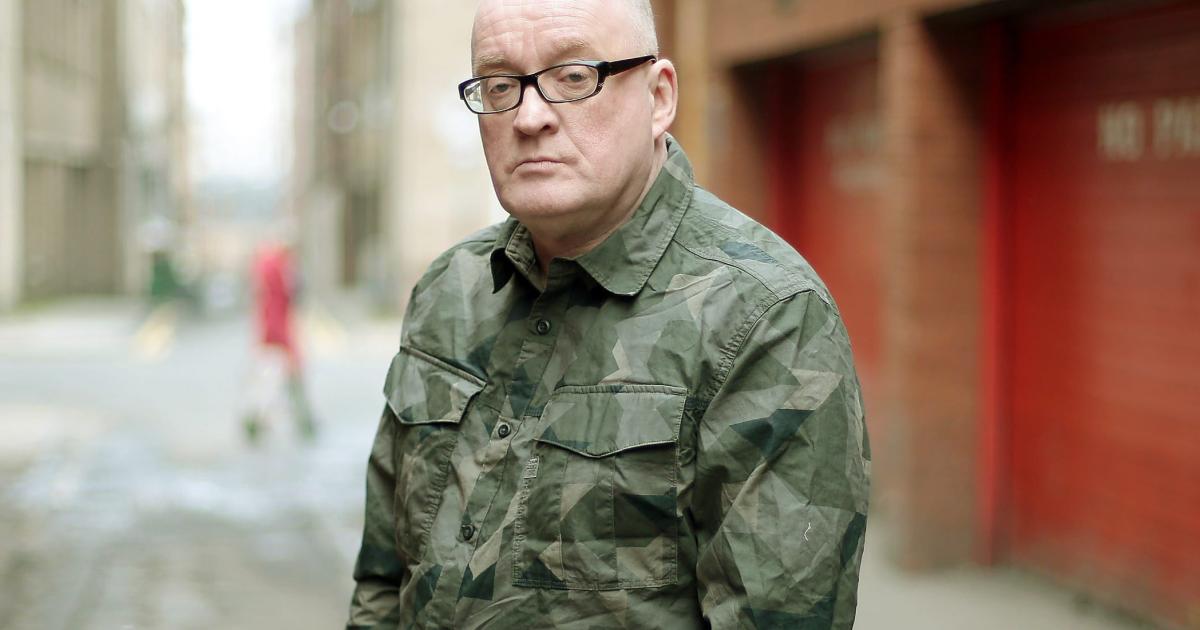
Broadcaster Stuart Cosgrove described BBC Scotland’s axed TV channel as ‘a huge missed opportunity in the history of Scottish broadcasting’. (Image: Supplied)
He also accused the broadcaster of neglecting Scottish culture and failing to reflect modern-day Scotland on the channel, which has had an annual budget of more than £42 million in recent years.
The BBC pulled the plug on the channel this week after months of speculation that it would be axed under plans to make around £500 million of savings across the broadcaster by 2028.
BBC Scotland announced 60 job cuts in August and has said a further 10 are expected to go with the closure of the channel and the cancellation of its nightly News at Seven programme.
Mr Cosgrove, who hosts the independently-produced Talk Media podcast, was speaking after BBC Scotland director Hayley Valentine insisted she did not think “anything went wrong” with the channel.
She has suggested the closure decision was down to changes in audience viewing habits that could not have been predicted when the channel launched at the start of 2019 and the “savings backdrop” within the BBC.
Speaking to Irish broadcaster Paddy Duffy on the Talk Media podcast this week, Mr Cosgrove suggested the channel had been wrongly designed as an “add-on news channel”.
He added: “At no stage, did the audience imagine that’s what it was. I think the audience imagined it as a multi-genre channel with comedy, with arts, with drama, with documentary, with clever new formats.
“I think that the audience had a more progressive view of what it could be than the management of BBC Scotland.
“They didn’t want any slippage in the national news, so the news had to go out at nine o’clock on the channel. In lots of ways, they feared the erosion of conventional, traditional news and current affairs.
“I think the channel was an absolute basket case. It was poorly led and a terrible, terrible, terrible concept.
“But, and this is something that I’ll go to my grave believing, it was a fantastic opportunity for Scotland that has been needlessly squandered.”
Mr Cosgrove said one of the key “failures” of the BBC Scotland channel was a confusing audience strategy, including a desire to reach “more young audiences”.
He said: “I get that that is important, but it wasn’t the primary driver of what this channel was supposed to be.
“It was supposed to be a channel for Scotland reflecting the diverse nature of Scotland. It was not there to try and win over 17-year-olds leaving home to go to their first flat to pay their license fee.
“It didn’t do the core job of saying how do we reflect Scotland as a modern, smart, progressive nation.”
Citing a recent promotional film released by the BBC, Ms Cosgrove added: “I’m going out this week to look for that Romesh Ranganathan guy.
“When he says to me, ‘what has the BBC ever done for you?’ I’m going to say: ‘You ruined the opportunity for my country to have a standalone TV station that reflected the country I live in.’ That’s what has done for me this week.”
Speaking on BBC Scotland’s Scotcast podcast earlier this week, Ms Valentine insisted that around 90 per cent of the content currently broadcast on the BBC Scotland channel will still be available on BBC iPlayer, BBC One and BBC Two.
However, she also warned that she will have to make further cuts in the coming months and admitted the BBC will be saving less than £2m by shutting down the TV channel and bringing the News at Seven programme to an end.
Speaking earlier this week, Gary Smith, BBC Scotland’s former head of news and current affairs, said: “I don’t think much went wrong (with the channel). I think the channel has a lot to be proud of.
“Almost all the output that people have been watching on the channel is going to still be available on demand. A really important point is that a lot of programmes will now appear on BBC One Scotland and BBC Two Scotland.
“I don’t think much went wrong with the channel, but eight years is a long time in the media world. Audience habits have changed hugely and people find their content elsewhere now.”