
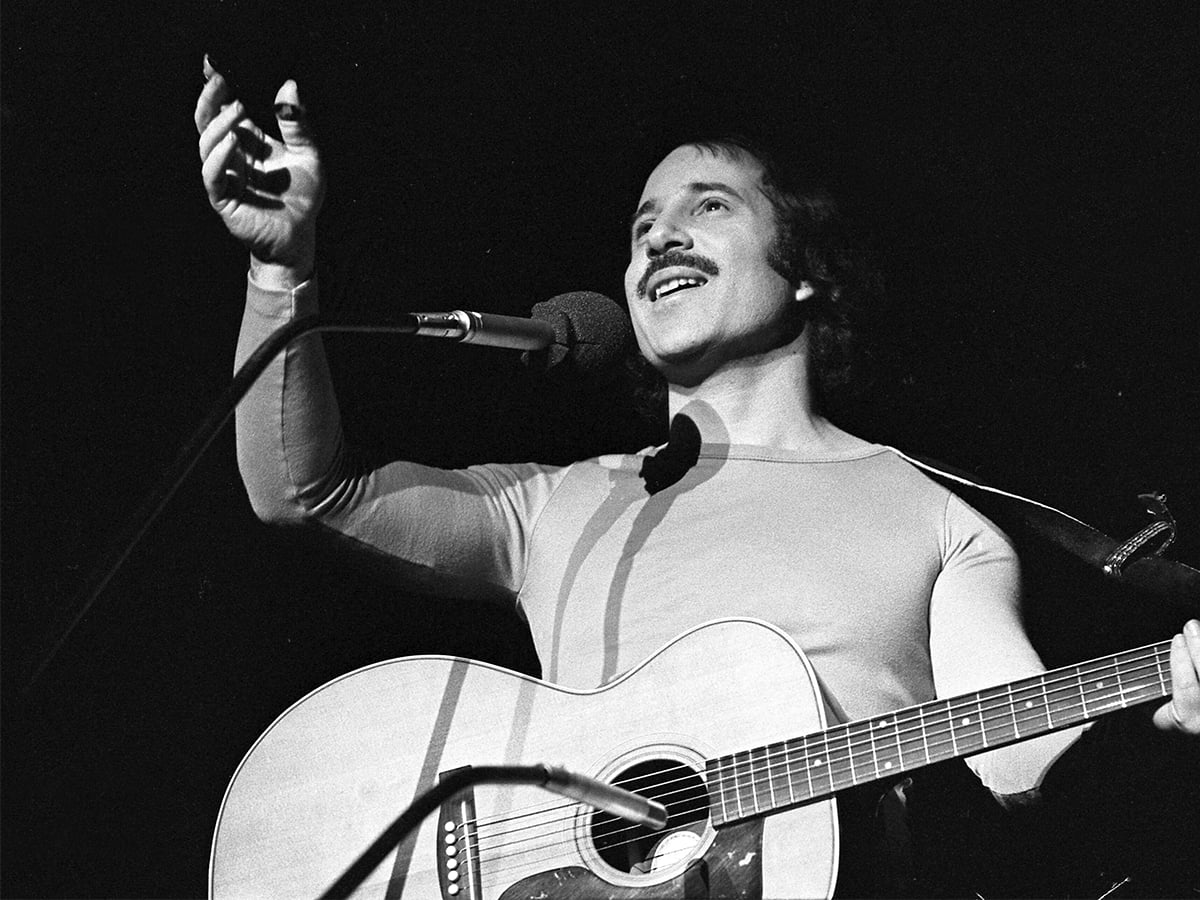
Credit: Harry Chase, Los Angeles Times
October 22nd, 2026 · 7:00pm BST
After its cheerful horn section, you’re likely thinking of the nimble bass line that grooves all over ‘You Can Call Me Al’.
Fans know how essential 1986’s Graceland is in Paul Simon’s career. The heights of Simon & Garfunkel were starting to feel like ancient history, albums were slowly slipping down the charts, and the decade’s evolving pop trends threatened the songsmith’s relevance. A sudden bolt of inspiration struck when he came across a tape of South African mbaqanga music, compelling Simon to lace his next record with lively backing tracks straight from the Soweto townships.
Artistic enthusiasm shifted aside any political concerns, however. While the music community was deep in protest against any involvement with South Africa’s Apartheid regime, Simon headed straight to Johannesburg’s Ovation Studios to kick off the Graceland sessions, in total contravention of the UN’s cultural boycott imposed on the racist state. On top of such hubris, Simon never made any meaningful attempt to consult with the African National Congress opposing the system, and enlisted Linda Ronstadt for backing vocals after having played the notorious, whites-only Sun City resorts three years earlier.
While mired in such heat, Graceland brought the commercial boost Simon was after, peaking at number three on the Billboard 200 and remaining his signature solo album. The record’s most memorable cut is its lead single. Inspired by a dinner party where French composer Pierre Boulez mistakenly called Simon “Al”, a playful examination of midlife crisis soon took lyrical shape, eventually forming to reflect the singer’s fish-out-of-water immersion in South African culture.
‘You Can Call Me Al’s second video did the rounds on MTV, owing plenty to Saturday Night Live cast member Chevy Chase’s comedic lip-syncing to Simon’s vocals, but curiously dialling down the overt mbaqanga influences for a softer worldbeat pop number.
So, who played bass?
While the bulk of Graceland was famously cut in South Africa, ‘You Can Call Me Al’ was in fact recorded entirely in New York’s The Hit Factory. Many of the musicians from Ovation were flown over, including guitarist Ray Phiri, Morris Goldberg on the penny whistle, and the Ladysmith Black Mambazo choral group on backing vocals. On fretless bass was Bakithi Kumalo.
Imbuing his bass style with soul and jazz flourishes, Kumalo would emerge as one of South Africa’s top session players across the 1970s and ‘80s, his work piquing Simon’s interest when gearing up for the Graceland record. To international audiences, the two-bar bass break on ‘You Can Call Me Al’ likely stands as Kumalo’s most far-reaching performance, nailed in the studio in a moment of birthday chutzpah.
Further reading: From The Vault
Indeed, when commencing sessions on the single on 10th May, 1986, Kumalo had turned 30 and was eager to flex a little bass showboating. “I said, ‘Paul, it’s my birthday today. Can I just play a little bit more on the part where there’s a break?’” Kumalo recalled to For Bass Players Only in 2012. “And Paul said, ‘Go ahead. If it’s good, we’ll keep it.’”
Washburn fretless in hand, Kumalo let rip a complex slap bass noodle twisted into dexterous impossibility by engineer Roy Halee, who tacked at the end a reversed bar to create the inhuman second half of the bass run. It was exactly what ‘You Can Call Me Al’ needed. Graceland’s lead would enjoy Simon’s highest chart position in years, but pose an issue for Kumalo henceforth on stage, when having to try his best to approximate that frenetic bass lick at live shows.
“I got so nervous, I got so scared,” Kumalo confessed to Scotts Bass Lessons in 2012. “I called all the pedal people in the world and said, ‘Please, do you have anything that can make my bass backwards like that?’ And back then, it was not possible.”
