
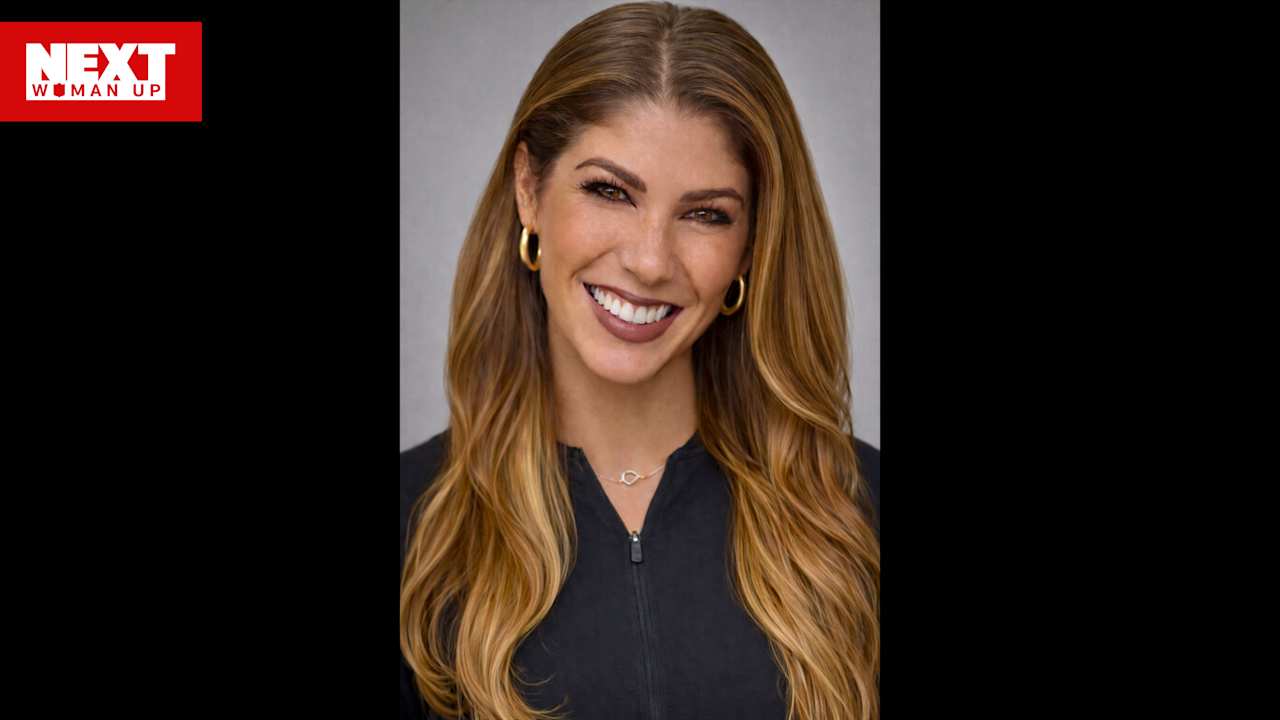
What does your role as director of sports nutrition entail?
As dietitians, we wear a lot of hats, but the main role is helping the players, whether it be one-on-one or as a team. We help them to be their best as an athlete and perform at their highest level. That’s with energy levels, body composition, hydration and fueling in general. We make sure their bodies are healthy and ready to do what is demanded of them as football players. With the rookies coming into the NFL, we help them learn their bodies in this new role. In college, they are focused on college but they have school responsibilities. The NFL is just football, so what you do in your free time in terms of nutrition plays a big role. There’s a lot of freedom and we want to make sure their bodies are prepared. At the end of their careers, we also help players transition into life outside of football.
Then when it comes to nutritional operations, a huge part is coordinating any and every meal our team eats at the facilities with our team, chefs and food service directors. I work daily with them. I’m also coordinating meals at the Superdome, on the airplane or at hotels. It’s very vital that I am organized because I am working and talking with so many different people in different parts of the country. There’s a tone of coordinating and communicating that comes with this role.
I’m also constantly collaborating with our strength and conditioning staff, our sports med staff, physicians, equipment staff — essentially anyone who comes in contact with the athletes. We all need to be on the same page and team. We do that really well at the Saints.
Yes, you definitely wear a lot of hats. What is the most challenging part about your job?
There’s so much information out there, from social media to AI and personal trainers to family and friends, that it’s confusing to know what to trust when it comes to nutrition. What is true and what isn’t? It’s important that when I start meeting with players that I give them evidence-based information to establish that rapport and gain trust. Once you do, it’s like the angels sing because they really do come to you for everything when it comes to taking care of their bodies. So for me, it boils down to being available and consistent not just for the athlete but the human being, to show them I truly care for them inside and out.
What does your schedule look like during an NFL season?
It’s early days, so I get there between 6:30 a.m. and 7 a.m. There are players who like to get early workouts in, so I’m usually at our fueling station in the weight room, which is also connected to my office. We spend a lot of time prepping and restocking that area, so we have everything ready for the players. I also go back and forth with the chef and food service director to make sure everything is set for the day. We might also do some body composition testing in the mornings, then a team meeting. When the players go into position group meetings, that’s when I do all of our administrative work and planning for the coming weeks. That includes reaching out to hotels and stadiums about meals. Then, we prepare for practice and spend that time on the sidelines, doing hydration and fueling, and then it’s post-practice recovery. The players go back to meetings, so we will do more admin work and meet with strength coaches and medical personnel to make sure we’re all on the same page.