Abhinay Deo’s Doosra attempts to weave together the cricketing triumphs of Sourav Ganguly’s 2001 Indian team with the poignant coming-of-age narrative of a young woman navigating the suffocating patriarchy of Rajasthan, observes Deepa Gahlot.
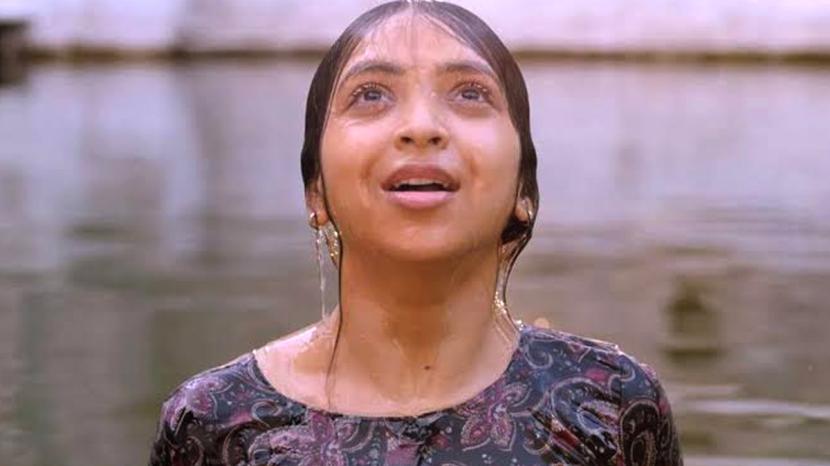
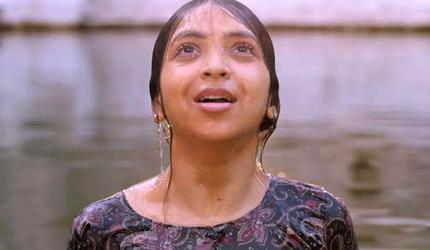
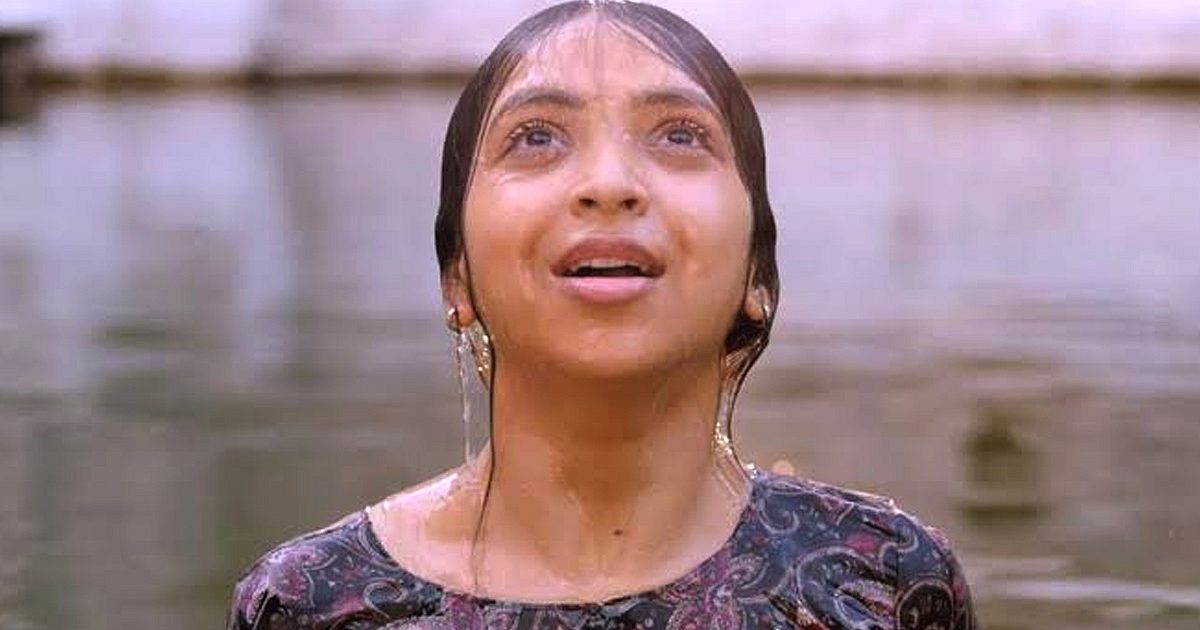
IMAGE: Plabita Borthakur in Doosra.
Key Points
Doosra attempts to juxtapose Sourav Ganguly’s cricketing achievements in 2001 with the struggles of a young woman, Tara, in a patriarchal Rajasthani society.
The film uses archival cricket footage, interviews with commentators, and fictional narrative to explore India’s economic and social climate during that period.
Tara’s character rebels against traditional gender roles, facing punishment for speaking up and being judged by potential grooms.
It’s an experiment, this conflating the cricketing achievements of Sourav Ganguly with the coming-of-age of a young woman in Rajasthan.
For his part-documentary-part fiction film Doosra, Abhinay Deo uses archival footage of cricket matches, talking heads expounding on the state of the country back in 2001 when the story is set, and the suffocating reality of a bright young woman, crushed under the shut-up-and-endure rules made for women in a patriarchal society.
The Dual Narrative: Cricket And Patriarchy
Doosra, which means second or other, is also a cricketing term for a particular style of off spin delivery. The idea sounds more exciting than the film because it is a stretch juxtaposing Tara’s (Twisha Joshi as a child, Plabita Borthakur as an adult) life with the Indian cricket team’s winning streak under Ganguly’s captaincy in 2001 — the victory over an unbeatable Australian team, and the historic win against England at Lords, a year later, in a nail-biting match.
This moment has been immortalised with the photographs and footage of Ganguly taking off his jersey and swinging it over his head. All this is narrated by cricket commentators, journalists and a few cricketers.
India’s Shifting Landscape
The World Cup triumph in 1983 is surprisingly forgotten, as the point seems to be to demonstrate that while India was going through an an economic crisis and Bollywood was floundering (random shots of Anil Kapoor having a convulsion, Smita Patil and Sridevi sobbing), and that dark phase in the world of cricket when the match-fixing scandal blew up, our cricketers found their strength.
All this while a rebellious Tara, who is slapped by her father (Ankur Vikal) for wanting to know why her brother cannot be asked to serve water or food, and then routinely for asking too many inconvenient questions.
Women are expected to do the household chores, her docile mother (Samidha Guru) says. She hasn’t a moment to spare with all the work she does, while the father and brother (Navin Ratawa) are always seen sprawling on easy chairs watching TV.
Tara starts identifying with Ganguly right from the time he was benched for refusing to be waterboy for the team. Just like she is punished for the ‘arrogance’ of speaking up. Like all girls, particularly from conservative families, she is seen and judged by a succession of potential grooms, counted by the platters of food and beverages placed on the table.
Her opinion is never sought. She is married to the man whose family demands the least dowry (‘they are such decent people, they agreed to Rs 15 lakh’). But she is aware that she is different, it just takes her a while to figure out her sexuality.
Her only confidante is her friend Manju (Krishna Gokani), who is pragmatic enough to accept the sad lot of women, and come up with solutions to problems. But even this wise one is baffled by Tara’s obstinacy.
Expert Commentary, Unfinished Stories
The well-chosen and edited cricket footage, with the enthusiastic comments by interviewees like Rajdeep Sardesai, Ayaz Memon, Boria Majumdar, Shashi Tharoor, Harsha Bhogle and many others) offer a wonderful perspective of India and cricket in the time of Sourav Ganguly.
Tara has just one spokesperson in gay rights activist Ashok Row Kavi, and her story in the film ends when her actual struggles begin and that would make for a thought-provoking film. Together, they fall into neither fish nor fowl territory.
Doosra Review Rediff Rating: