
Understanding crypto casinos in practice
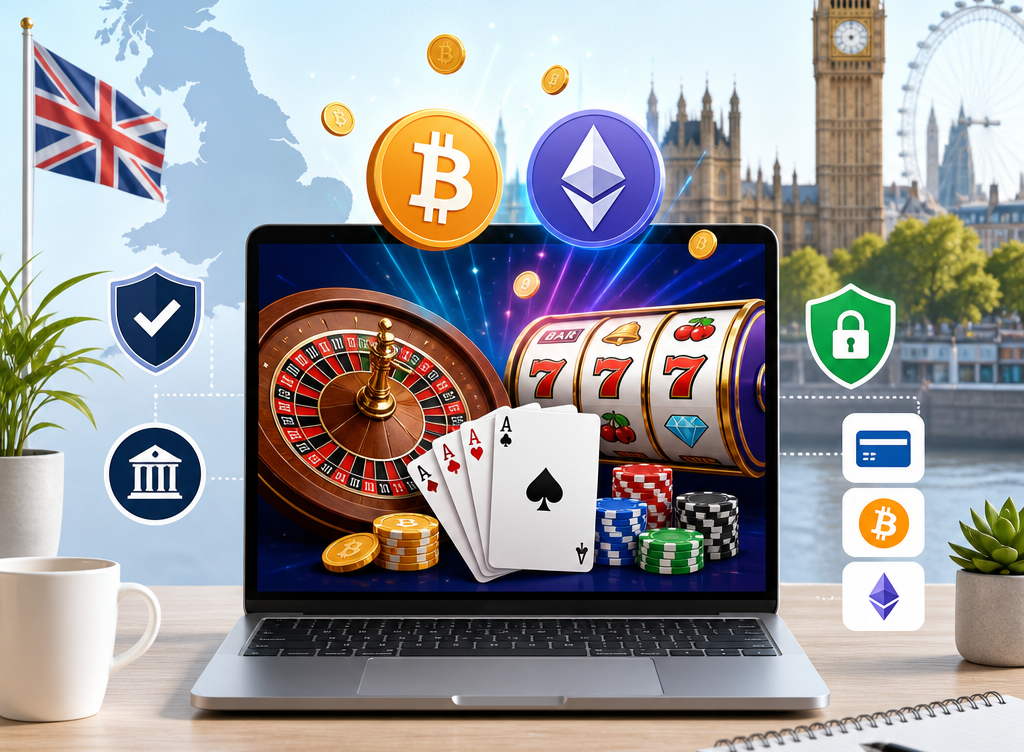
In simple terms, a crypto casino is an online casino site that allows account balances, deposits or withdrawals using currencies such as Bitcoin, Ethereum or similar tokens. The site itself usually runs much the same way as a traditional online casino, with familiar games, promotions and customer service, but the money going in and out can be in a different form.
For many UK players, the appeal of using crypto lies in quicker transfers, reduced bank involvement and sometimes smaller minimum amounts. There is also interest in how blockchain records transactions, which some see as offering clearer tracking of payments. Information sites, including comparison platforms like Bitcoin Casino UK, reflect this growing interest in combining crypto payments with casino entertainment for a UK audience.
Behind the scenes, most operators convert deposits from crypto into pounds or another standard currency once funds reach the platform, and then convert them back when a withdrawal is requested. This means that while players may see crypto amounts in their wallet, the games themselves are usually running on regular currency values. Understanding this conversion step is important, as it can affect both the timing and value of balances.
Licensing checks for UK based players
Before looking at bonuses, game libraries or payment features, it is sensible for UK players to check how a site is licensed and supervised. Licensing determines which rules a casino must follow, how it handles funds, and where a player can turn if something goes wrong with a payout or account query.
Casinos that actively serve customers in Great Britain can be licensed by the Gambling Commission, whose name and logo should be visible on the homepage, usually in the footer. Clicking through reveals the licence number and the company behind the brand. A clear licensing page, full company details and accessible terms and conditions are all signs that the operator is working within a structured framework.
Many crypto focused sites are based overseas and may operate under licences from authorities in places such as Malta, Gibraltar or Caribbean islands. These licences have their own rules and procedures, which are not identical to those in Great Britain. Where a site is not regulated by the UK authority, players will generally not have access to the same formal complaints routes in this country, and consumer protections will follow the laws of the jurisdiction where the operator is based.
In the United Kingdom, using an online casino that is not authorised to accept British customers can raise legal and practical questions, especially around dispute resolution and taxation. This is one reason why experienced players increasingly take a few minutes to research who owns a casino, where it is established and which regulator oversees it, rather than focusing only on payment methods or welcome offers.
Payment choices and safer playing habits
Once the licensing picture is clear, attention usually turns to payments. Crypto offers several features that appeal to tech confident players. Transfers can be processed at any time of day, often with fewer steps than a traditional bank transfer. Network fees on some coins can be low, although they vary depending on congestion, and there is usually no need to share bank card details directly with the casino.
However, crypto values can move up and down quickly. A deposit made when prices are high may feel very different if the market shifts before a withdrawal is processed. Players who are used to thinking in pounds can find it helpful to keep a written or on-screen note of how much their crypto deposit is worth in sterling at the time of transfer, and to make decisions based on that figure rather than on fluctuating token amounts.
It is also worth considering how crypto fits alongside other household spending. Traditional payment methods such as debit cards and bank transfers are integrated with tools like balance alerts and mobile apps from banks, which can make it easier to see how leisure spending fits into monthly outgoings. With crypto, tracking often involves separate wallets or exchanges, so players may wish to set their own limits and reminders to keep activity aligned with personal budgets.
Many experienced casino players, whether they use crypto or pounds, adopt simple habits to keep play enjoyable. These can include setting a clear time limit before a session begins, deciding on a maximum spend for the week or month, and taking regular breaks away from the screen. Some prefer to separate casino funds entirely from everyday accounts by using a wallet or card reserved only for leisure, so that it is always clear how much is being allocated to games.
Customer service is another practical point to consider. A well run crypto casino should offer clear, timely communication channels such as live chat or email, with straightforward answers about deposits, withdrawals and verification checks. Reading through the payments page in advance, including any sections on processing times and identity checks, can help prevent misunderstandings later on.
Crypto casinos are likely to form part of the entertainment landscape for some time, especially in areas like West London where interest in new payment technology and fintech is strong. By understanding how licensing works, being aware of how crypto payments interact with everyday finances and adopting simple, balanced playing habits, local residents can make more informed choices about whether this type of casino experience suits them. For those who decide to explore it, taking a methodical, well informed approach can help keep it as a straightforward form of entertainment rather than something that overshadows other priorities.