
Credit: Far Out / Protest Photos
October 24th, 2026 · 3:00pm BST
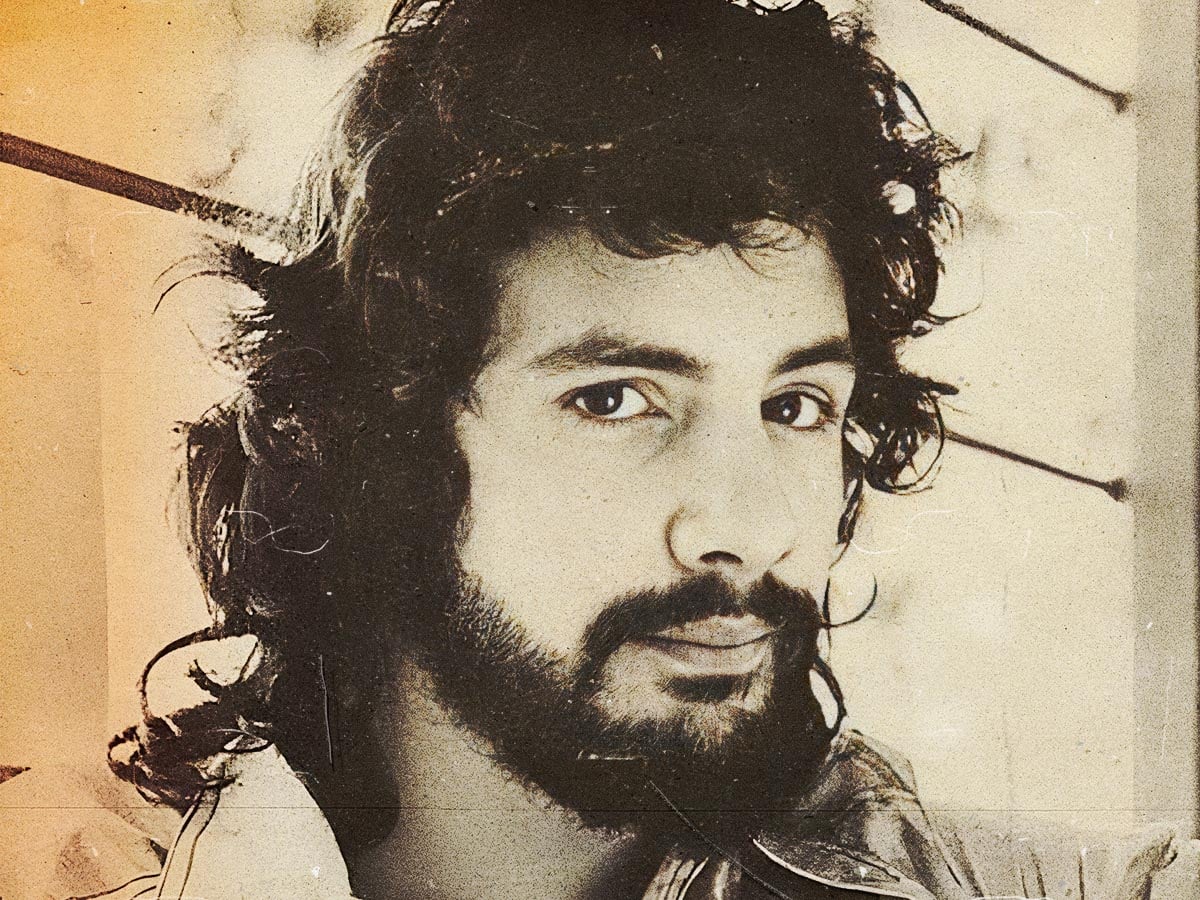
Cat Stevens’ personal and artistic evolution can be defined by his unrelenting pursuit of enlightenment, whether that’s discovering the real meaning of belonging, or what ‘success’ looks like when you’re not chasing commercialism.
From growing up as an artistic outlier and becoming a major musical name in his own right, to experiencing a handful of near-death experiences and embarking on a new path with religion and spirituality, Stevens has given a lot of thought to such deep-rooted existential musings, eventually realising that all of it – music and spirituality – more often than not exists in tandem.
When Stevens first converted to Islam in 1977, a lot of interview questions centred around this very possibility. How could someone so deeply embedded in the rock-folk scene suddenly ditch his roots and embark on an entirely new venture, away from music? Surely the two were mutually exclusive?
For a long while, Stevens likely thought the same, that he had to pick one over the other, until, years later, he realised that the basic approach to both was pretty much one and the same. Both concepts tap into the same sorts of emotional connection, making us feel seen, heard, and with a clear sense of direction.
As he later told The Guardian, once he rediscovered his love for music, “It is a mystical thing still. It is something that permeates our emotion, our soul, sometimes our intellect. Our body moves to it. I didn’t know where I was going but music helped me to get there.”
This has been Stevens’ mantra his entire life. No matter where he found a source of inspiration, whether through rock ‘n’ roll legends or classical virtuosos, if it gave him the same sense of eye-opening motivation, it was worth incorporating into his own sound and style. Even better when worlds collided, which is also why Wendy Carlos’ Switched-On Bach will always sit atop Stevens’ favourite-ever collections of masterpieces.
“If I were stuck on a desert island, I’d find it hard to let go of this record,” he told The Quietus in 2017. “It encapsulates every part of the perfect beauty of classical music, particularly Bach, yet it uses that with electronic synthesiser. It’s a totally new world, bringing the future and I think it’s fantastic.”
Further reading: From The Vault
Stevens is also a major fan of Carlos’ work on Stanley Kubrick’s A Clockwork Orange, particularly Beethoven’s ‘Symphony No 9’, and more broadly the way she effectively reimagined the intricate workings of classical music’s greatest composers with a freshly refined, electronic edge. To someone constantly looking for bigger and better, the entire discovery was Stevens’ kryptonite.
As evidenced by his own efforts to cross-pollinate different genres of music, some of which emerged during a time when he was going through the biggest change of his entire life, converting to Islam. After all, you needn’t look any further than his work on 1977’s Izitso to understand that, even during a time when he felt he had no answers, his experimentalism set an entirely new standard for synth-inspired pop-rock.
