
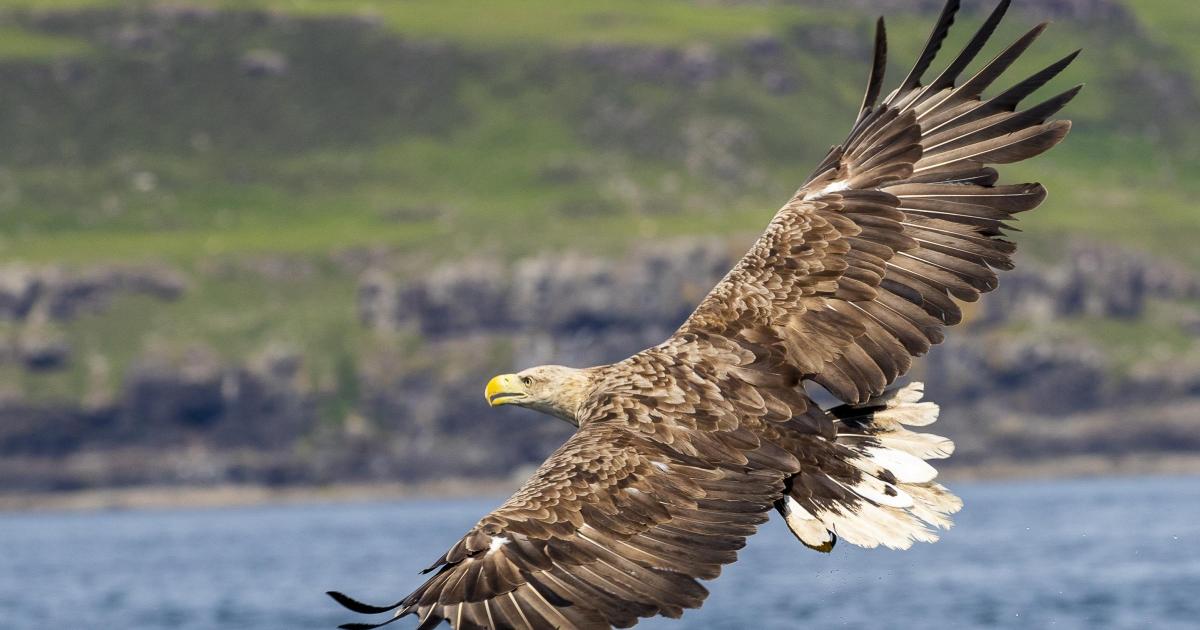
The proposed return of the birds, also known as sea eagles, is being explored by The Lifescape Project alongside organisations including the University of Cumbria, Cumbria Wildlife Trust, the RSPB and the Lake District National Park Authority.
White-tailed eagles once lived in Cumbria, with the last recorded breeding attempt in the area taking place near Haweswater in 1787.
The species later disappeared from Britain before being successfully reintroduced in parts of Scotland, Ireland and the Isle of Wight.
The latest milestone for the Cumbrian project is the completion of an extensive social consultation programme. According to the project team, more than 24,800 people were engaged during the process and 2,392 people completed questionnaires, with 78 per cent expressing support for a reintroduction.
Project leaders say ecological studies have also found suitable habitat and food sources across Cumbria and surrounding areas, suggesting the county could support a healthy population of the UK’s largest bird of prey. Further ecological and heritage assessments are continuing.
The initiative is seen as potentially important in linking existing eagle populations elsewhere in Britain and Ireland, creating what supporters describe as a “stepping stone” within a wider network across the British Isles.
However, the proposal remains contentious in some rural areas.
Last year, Tim Farron, MP for Westmorland and Lonsdale, voiced concerns about the possible impact on sheep farming, citing worries raised by livestock producers and the National Sheep Association.
Supporters of the project argue that experiences elsewhere in the UK show white-tailed eagles can coexist with farming while bringing biodiversity and tourism benefits.
No decision has yet been made on releasing birds into the wild. The project is still gathering stakeholder views and undertaking further assessments before any formal application for reintroduction would be considered. Earlier project documents indicated that a licence from Natural England would be required before any releases could take place.
Meanwhile, two white-tailed eagles arrived at the Lake District Wildlife Park at Bassenthwaite in late 2025. The park said the birds could play a role in future conservation and breeding efforts linked to the wider Cumbrian project.
The next key moment is expected to come when project leaders decide whether to pursue a formal reintroduction application, a move that would trigger further scrutiny from regulators, conservation bodies and the farming community