
It was also revealed that staff regularly were unable to take food and toilet breaks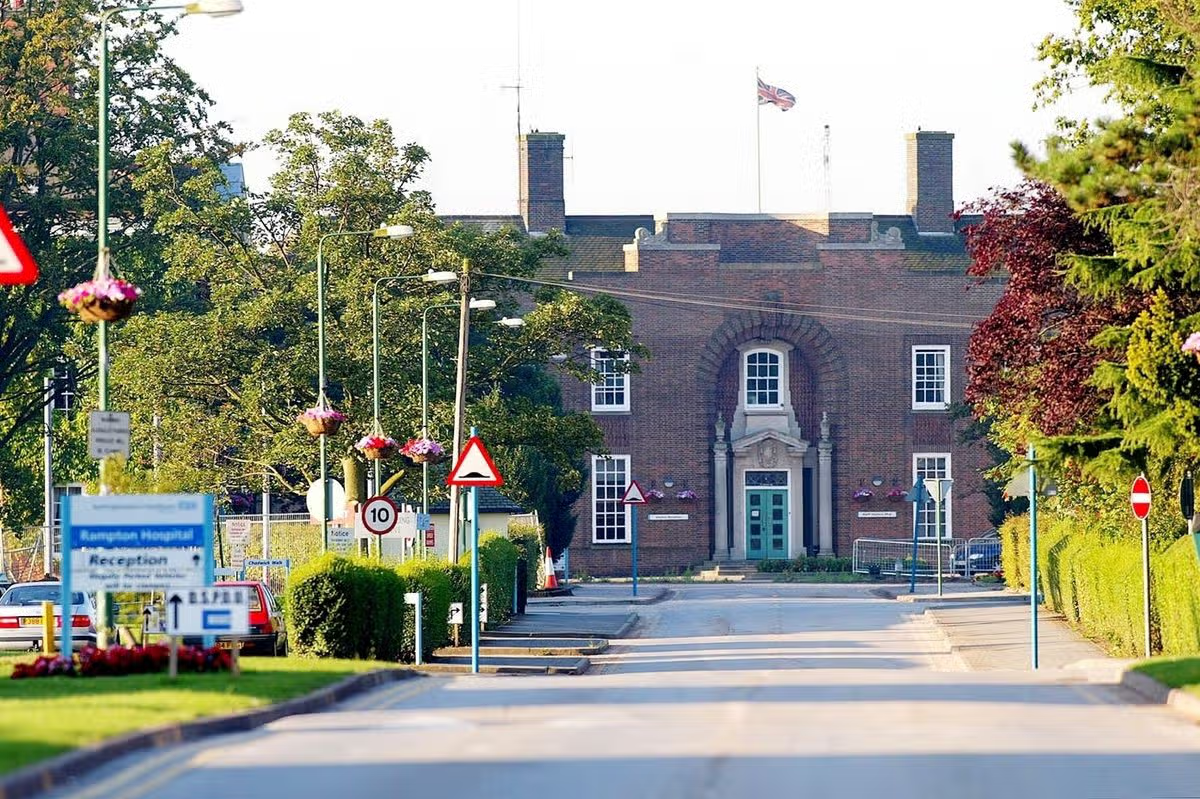
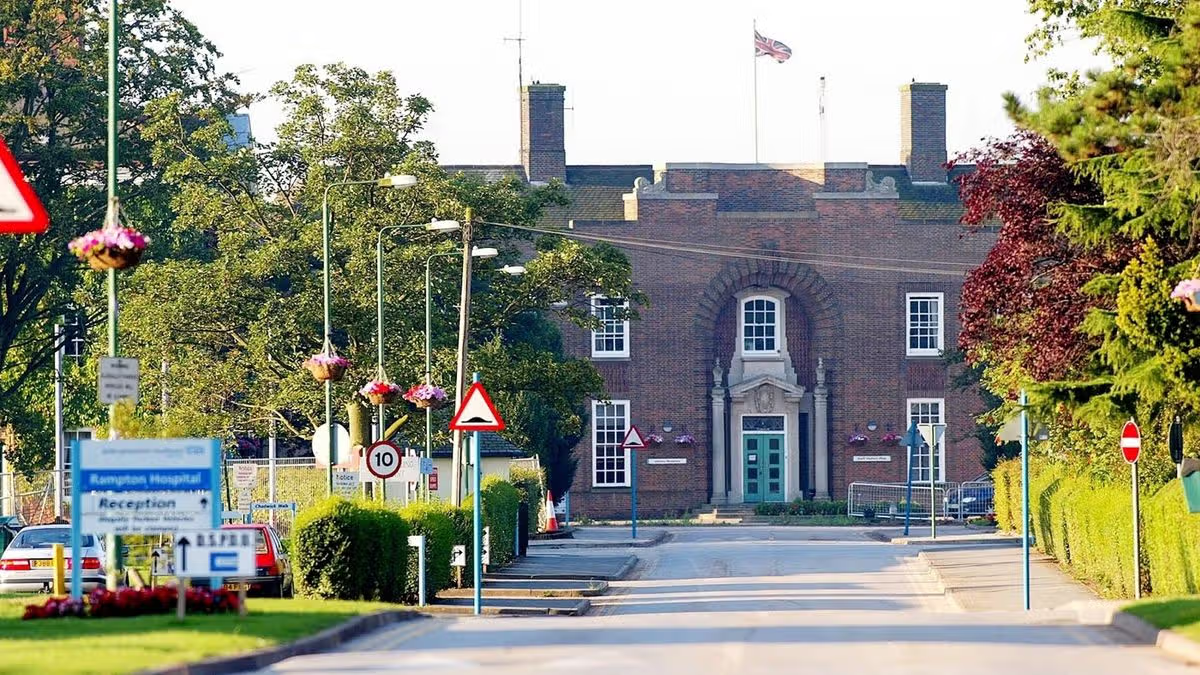
Rampton Hospital in Nottinghamshire(Image: PA)
A high security Nottinghamshire hospital has been rated as ‘requires improvement’ as a new report revealed staff are regularly unable to take food and toilet breaks.
Rampton Hospital, in Retford, is a high secure mental health hospital which cares for people detained under the Mental Health Act. It is one of three high security hospitals in England and Wales.
The health watchdog the Care Quality Commission conducted the assessment, in April, after it received reports from whistle-blowers and patients expressing their concerns about staff wellbeing and patient safety due to low staffing levels.
The hospital is run by the scandal-hit Nottinghamshire Healthcare NHS Foundation Trust.
Inspectors identified seven breaches of regulations relating to staffing, safe care and treatment, dignity and respect, person centred care, premises and good governance.
Staff shortages regularly impacted the delivery of care and the patient experience, with staff saying they felt ‘broken’ and ‘demotivated.’
The report read: “The service did not care about or promote the wellbeing of their staff. They did not support or enable staff to deliver person-centred care.”
Patients reported feeling worried about staff, saying they could see that staff don’t get breaks and that staff members are not getting the chance to go to the toilet or have something to eat.
Some aspects of the hospital were not safe with staffing not always at effective levels, leaving “an increased risk that people were not always accessing the right care and treatment”.
Between January 1, 2026, and April 29, 2026, the hospital recorded 4,499 incidents. 364 were red flag staffing events – which are called when patient care could be compromised by low staffing levels.
During this time 303 patient therapy sessions were cancelled.
Victoria Green, the CQC’s deputy director of mental health in Nottinghamshire, said: “When we visited Rampton Hospital, we found staff shortages were affecting almost every part of people’s care, despite this being a long-standing concern.
“Leaders hadn’t got on top of it and it was disappointing the hospital hadn’t always learned from issues we’d raised before.
“However, we saw staff who cared deeply about the people they support and some genuinely person-centred work, particularly in the women’s service.
“Leaders were open with us about the challenges they faced and had already made some improvements since our last visit. We’ve told the trust where it needs to improve and will continue to monitor the hospital closely to make sure people get safer, more responsive care.”
The inspection uncovered one incident where a patient was restrained and placed in seclusion, during which they were injured. The patient then had to wait more than 24 hours to get treatment for a fractured wrist because staff could not arrange secure transport quickly enough.
Documents also revealed that during this time there was no recorded evidence that staff “offered or administered pain relief”.
The National Women’s service, which is part of the hospital, also experienced shortcomings.
These included a blanket ban on patients having sanitary bins, but inspectors could not find a documented rational reason for this restriction. Instead, patients had to dispose of sanitary products in paper bags and either hand them directly to staff or find a staff member to unlock a restricted disposal area.
Patients told the CQC that the arrangement lacked privacy, with one calling the walk to the disposal area a ‘walk of shame’.
Staff were regularly moved between wards to help cover shortages, meaning that patients were often cared for by staff who didn’t know their needs well, causing anxiety among staff and patients.
Patients’ freedom of movement was often restricted during the day, with staff asking them to remain in their room during staff meetings, medication rounds and during periods of staff pressure.
During their inspection, CQC inspectors also found a “toilet seat in a patient’s shower room covered in dried faeces”.
Issues were also identified in the administration of medicines, including inconsistent checks of clinic rooms and the inconsistent recording of the date on which medicines were opened meaning no one could be assured that medicines were still fit for use.
In this area, inspectors also discovered that records did not always include rationale for administering sedative medicines and staff did not always have protocols to guide decisions about when to administer them.
Mark Axcell, chief executive of Nottinghamshire Healthcare, said: “The safety, wellbeing and experience of our patients will always be our highest priority. Inspections are an important opportunity to understand what we are doing well and where we need to improve, so we welcome the CQC’s report following its assessment of our high secure services at Rampton Hospital in April this year.
“We accept the CQC’s findings and recognise where need to do better. We are fully committed to addressing each area identified for improvement through a detailed action plan with clear accountability.
“We have already made significant progress with a number of examples of positive change. For example, we have introduced ‘Activity First’, to help ensure patients can access and engage in meaningful activities, as part of business continuity and reducing restrictive practice. Patients have told us how much they value this and the feedback has been overwhelmingly positive.
“Since April, we have appointed 19 staff nurses and 29 healthcare assistants to our high secure services. Some will work flexibly across wards, enabling us to respond more effectively to changing patient need and levels of dependency. We continue to recruit every month, including newly qualified nurses who will join us later this year.
“Alongside this we have enhanced training for colleagues in learning disabilities and autism, developed plans to improve our specialist learning disability ward environments, and introduced innovative approaches to patient observations, reducing restrictive care and segregation wherever possible.
“I want to thank colleagues at the Hospital for their dedication, professionalism and compassion. Caring for patients in a high secure environment can be incredibly challenging and I am particularly proud that the report acknowledges the compassion and person-centred care delivered by colleagues, often in difficult circumstances.
“Whilst we know there is more work to do, I am confident that the positive changes already made provide a strong foundation for further progress. I want to reassure patients and their families that we are listening, learning and taking action to ensure we provide the safe, responsive and high quality care they deserve.”