
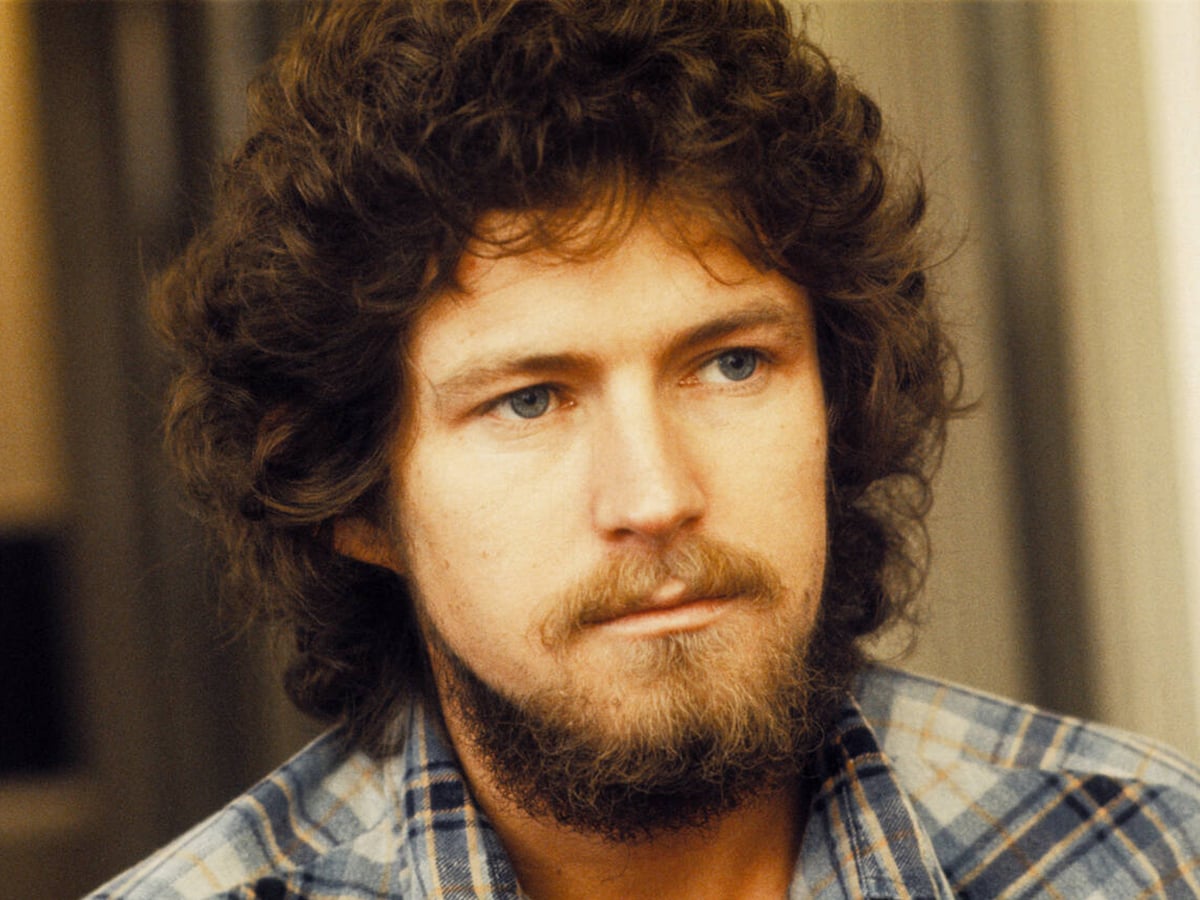
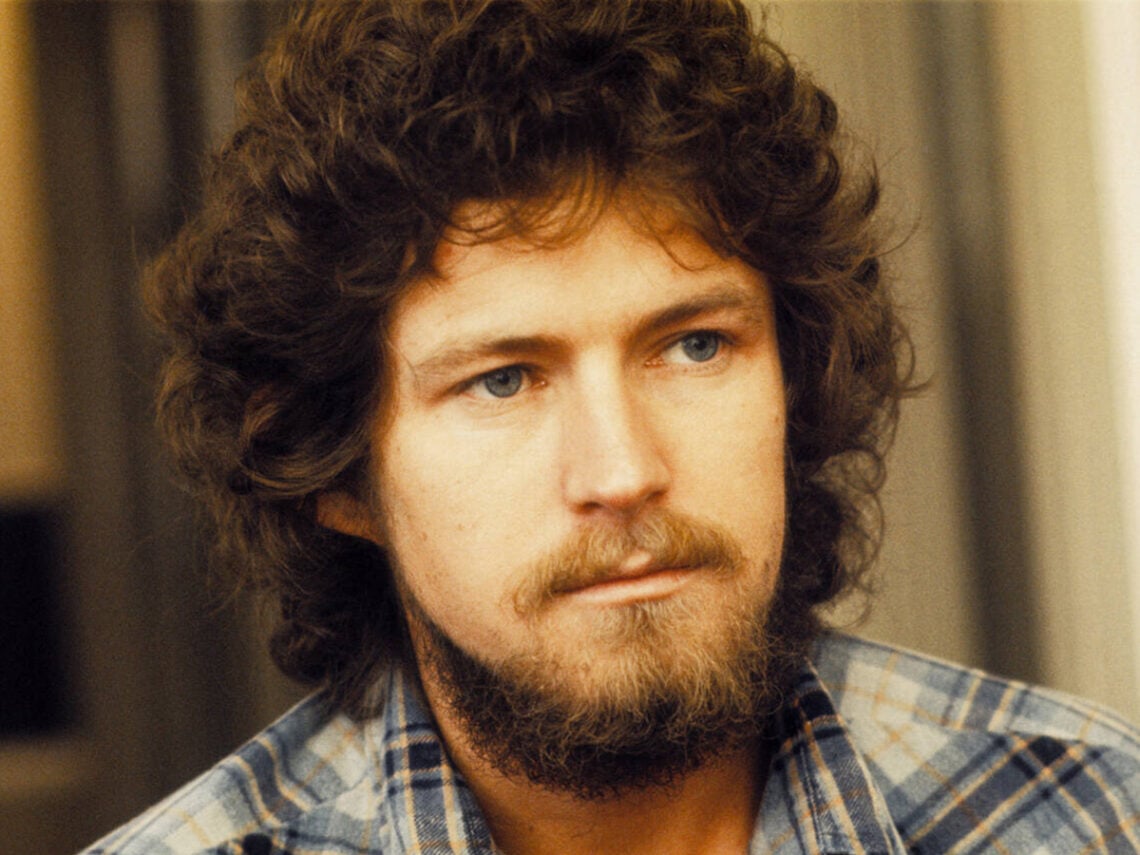
Credit: Alamy
October 25th, 2026 · 8:45pm GMT
Don Henley spent his entire career trying to make his songs sound as perfect as they possibly could.
You could say that Eagles were perfectionists in the traditional sense of the word, but Henley wasn’t trying to make everything sound pristine just for the hell of it. He knew that a record didn’t get done until the right amount of work was put into every song, but even then, there were a handful of people who were out there to prove that a pop song didn’t always have to be written the same way he did it.
When a kid first picks up a guitar, it’s not about him trying to make songs to get on the radio. There are certain bands that get into the business for that very reason, but they’re usually a case of a band that ends up getting famous for a few years and then bottoms out when they don’t have anything else interesting to say. But Henley was the kind of person who had a lot more to work with when he had the right idea.
He knew that Eagles could make music that had a lot more substance behind the strumming of chords, but not every musician in the world needed to have the most self-serious songwriting of anyone. It’s sometimes easier to just hang back and make the best riffs that people want to hear, but around the same time, Eagles were coming up, that style of writing was also getting more than a little bit out of hand.
While there were still plenty of singer-songwriters out at the time, the prog sphere had no shortage of bands that were doing everything they could to push the envelope in some way. Yes and Genesis were showing people that it was possible to make music that had a lot more complexity behind it, but if Henley got the impression that Yes weren’t the biggest fans of them, he wasn’t feeling warm towards the new kids in town like Rush whenever they started popping up, either.
Then again, Rush was already a difficult band for most people to get into. The Canadian icons were already one of the biggest rising stars in the prog sphere, but even if they didn’t manage to get some of their greatest hits on the radio for very long, Henley figured that the group didn’t really have that much to say aside from making some of the most annoyingly complex music that rock had ever heard.
He had no problem telling the public so, either, saying when getting his own band back together, “I can’t think of another band that has broken up for 14 years, then got back together and made a record. You do get bands like Rush getting back together. Yuck”.
Further reading: From The Vault
Then again, Henley’s comment did come off as kind of tasteless when Rush did eventually get back up on their feet.
Neil Peart had already lost his entire family when working through some of the hardest parts of his career, and when they did come back with Vapor Trails, most people were happy knowing that one of the greatest rock and roll bands that they had ever seen didn’t suddenly stop in the face of death. And for someone like Henley, you’d think that he would be able to appreciate that kind of commitment.
Because, for as long as people have studied Henley’s lyrics as works of poetry, there was a very interesting poet at the heart of Rush’s catalogue if he ever bothered to look. So many people may have written them off as the band for nerds, but if they had any chance of going the distance, it was through making songs that people can relate to beyond the nine-minute solo sections every other prog band does.
