
Credit: Far Out / Thekingdekalb
October 27th, 2026 · 9:27pm GMT
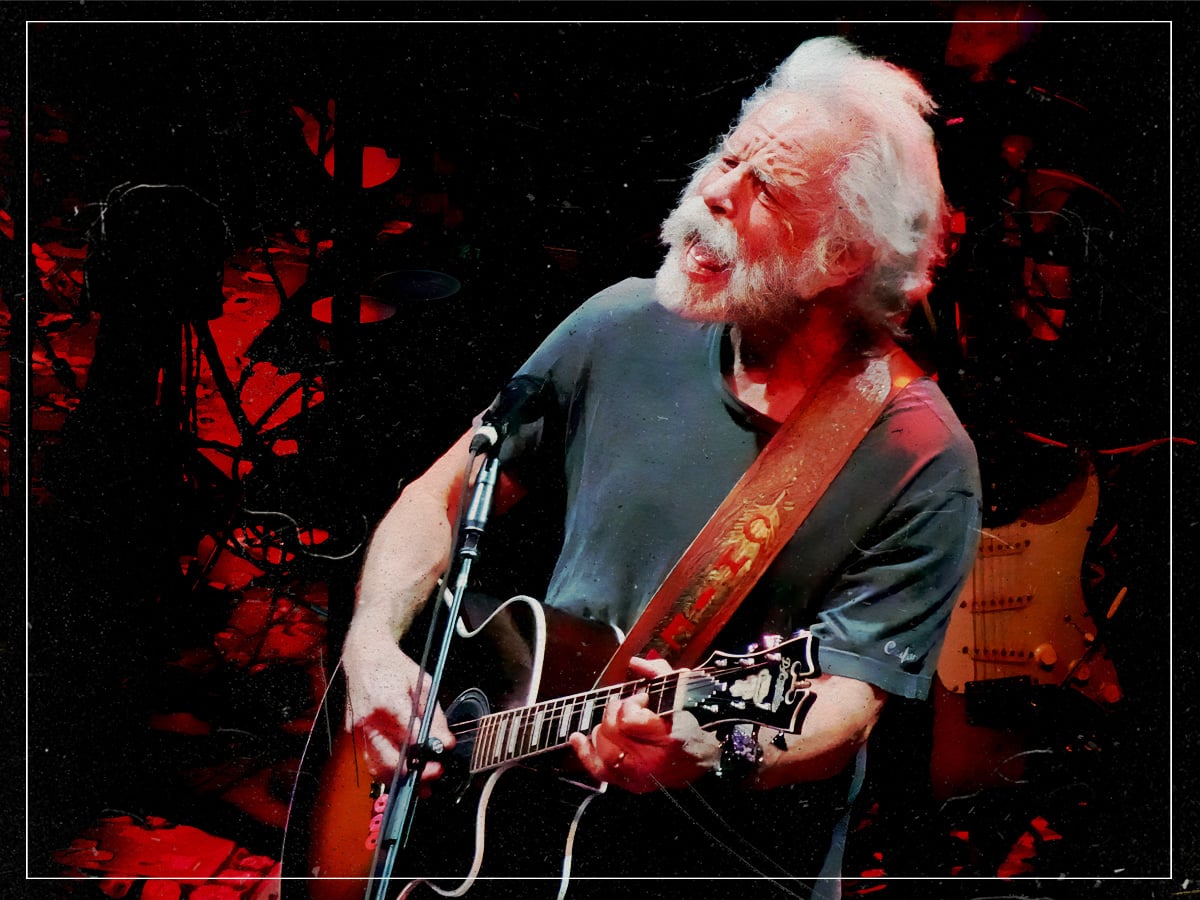
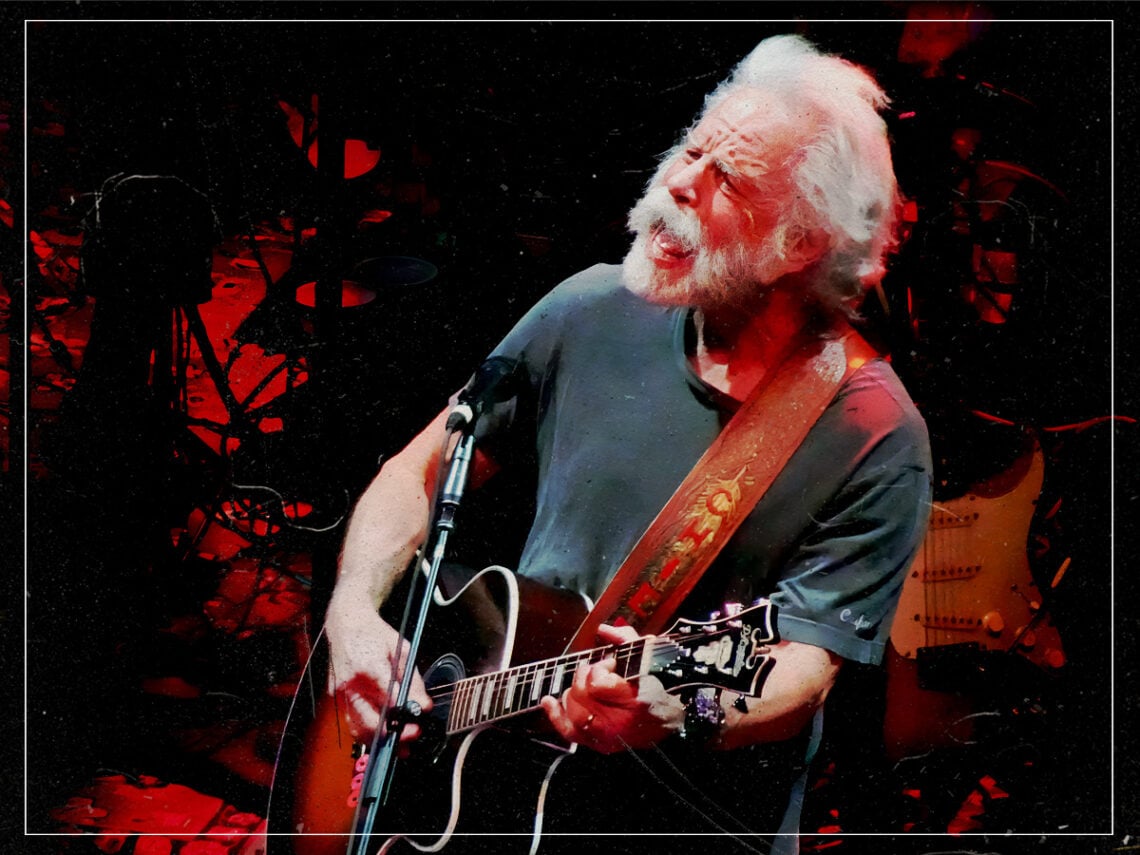
Bob Weir had the pleasure of playing with some of the greatest musicians of all time. Bob Dylan famously employed the Grateful Dead as his backing band during a 1987 stadium tour, but plenty of musicians accompanied the Dead themselves as well.
The Grateful Dead had a relatively loose open-door policy when it came to sitting in: if someone in the band vouched for you, you were in. It’s part of what made them such a fascinating beast to watch unfurl on the stage. There was a time when not only did you not know which members had made it to the next tour stop, but who would be a part of the rag-tag crew putting your show together that night.
That’s how figures as distinctive and disparate as jazz saxophonist Branford Marsalis, fellow 1960s survivor Carlos Santana, Woodstock alums Neil Young and John Fogerty, and even soul powerhouse Etta James managed to land on stage with the Dead… and it didn’t stop there.
Friends like Janis Joplin and contemporaries like Stephen Stills have made guest appearances, while a legendary jam at the Fillmore East in 1970 included Love’s Arthur Lee, Fleetwood Mac’s Peter Green, and the Allman Brothers Band’s Gregg Allman. There has been no shortage of legendary figures to pass through the legendary jam band on their way to improvisational nirvana. It’s a large chunk of why Grateful Dead should be considered perhaps the ultimate definition of “mercurial musicians”.
When appearing on former Van Halen frontman Sammy Hagar’s AXS TV programme Rock and Roll Road Trip, the late Dead guitarist Bob Weir was asked who among the legendary cast of musicians with whom he and the band jammed over the years was his favourite. Weir initially demurs, but changes his mind and extends his scope beyond the Dead and includes his side project RatDog. It was with RatDog that Weir was able to employ a historical musician: Chuck Berry’s piano player, Johnnie Johnson.
 Credit: Far Out / Johnnie Johnson / Finnish Heritage Agency
“He taught us how to play rock and roll. You know, real rock and roll,” Weir told Hagar. “Johnnie was the guy who, just by himself, started playing shuffle against straight. And it’s mathematically impossible. The mathematical subdivisions just don’t work out. They can’t. But Johnnie was the guy who invented that, and Little Richard picked up on it. It was piano-driven to begin with, and it was Johnnie who did it.”
To bestow Johnnie Johnson with the prestige of being perhaps the first rock and roller on piano might have a lot of people spitting out their bourbon. But, if you’re about to desecrate the screen you read this on with splutters of “Jerry Lee Lewis… or at least Fats Domino”, then you are mistaken. It was Johnnie who really brought rock and roll to the keys.
For a man who was playing ‘One More Saturday Night’, ‘Alabama Getaway’, and even Berry’s own ‘Around and Around’ and ‘Johnny B Goode’ for years to say that it took that long to learn how to properly play rock and roll is wild. But Weir has a point: the Dead were never a pure rock and roll band, mostly because they melded blues, folk, progressive rock, and jazz into a brand new style that only they could master.
Grateful Dead were, and always will be, a heady cocktail of everything that makes music magical. They were the spark of a match and the kerosene it lit. But rock and roll rebellion has always been at the heart of their work, so it seems only right that they should learn a little of the internal groove that propelled it. It took the man who practically invented rock and roll to teach someone as legendary as Weir how to do it right.
Whether peering under the tie-dyed hood of Grateful Dead or Weir’s RatDog offshoot, rock and roll remains central to both jam bands’ foundations, no matter how long they noodle away on stage. The psychedelic washes that gently coated their bluesy wanderings can easily wrong-foot newcomers to the Dead, drawn to the progressive fancies they built a solid reputation for, but they always eventually orient themselves to the 1950s soundtrack that shaped Garcia and Weir’s post-war youth.
Garcia himself was on record for eschewing the high school cachet of his cooler jazz-only peers by holding true to his love of the rock and rollers.
Yet, how can anyone match the masters? Weir was well accustomed to the Chuck Berry and Buddy Holly songbook, routinely playing their numbers on stage with the Dead across their decades-long run. There’s no rulebook for rock and roll, no teaching aid to bottle its intuitive energy. Despite his expert rhythm guitar chops, Weir’s 1994 collaboration with Berry for the Dead’s Rock & Roll Hall of Fame induction would have no doubt tested his mettle.
However, rehearsing and jamming at length with Johnson’s unmistakable piano thump would have offered Weir an RnR 101 as much as Little Richard watching the maestro at work all those years ago.
ADD AS A PREFERRED SOURCE ON GOOGLE  The Far Out Classic Rock Newsletter
All the latest Classic Rock content from the independent voice of culture.
Straight to your inbox.