
Credit: Paul Saltzman
October 29th, 2026 · 1:00am GMT
It’s almost impossible not to connect the art of John Lennon with politics, for The Beatles’ leader was arguably the most famous politically engaged musician of all time.
While it seems as though his fight against social injustice was lifelong, beginning right at the start of his career and lasting until the very end, the truth is, it was a tale of two halves. In the bright and early emergence of The Beatles, Lennon, like the rest of his band, was consigned to the role of a pop star whose only job was to deliver musical hits devoid of any political tension.
But then came the graduation from innocence and the vital embrace of the world around him, which, from the peak of his fame right until his tragic death, was embroiled in bloody global conflicts that he deemed necessary to criticise. He was a crucial voice in activism, penning songs that still soundtrack social resistance, and thus, it’s hard to imagine him ever being any different.
In trying to understand where exactly it started for Lennon, we have landed on one specific song. The first political domino to fall in his back catalogue was the 1968 track ‘Revolution’, taken from The Beatles’ iconic White Album.
At this point, the Vietnam War was at its bloodiest peak, with the aftermath of the Tet Offensive ringing through Western societies and sparking some of the most furious anti-war protests of the era. Lennon realised that he could no longer remain silent on the issues around him, cosplaying as a blissfully ignorant pop star, and so took to his guitar to pen a track in response.
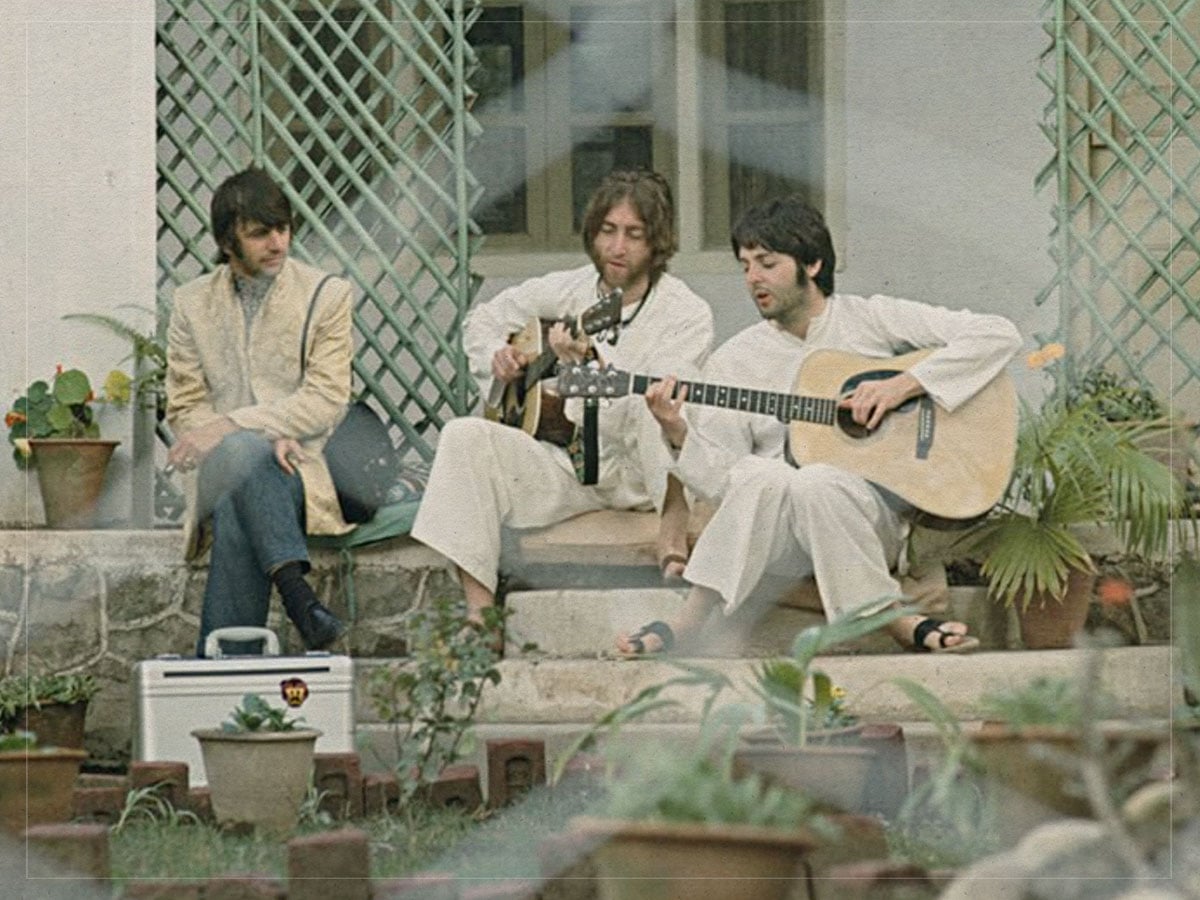
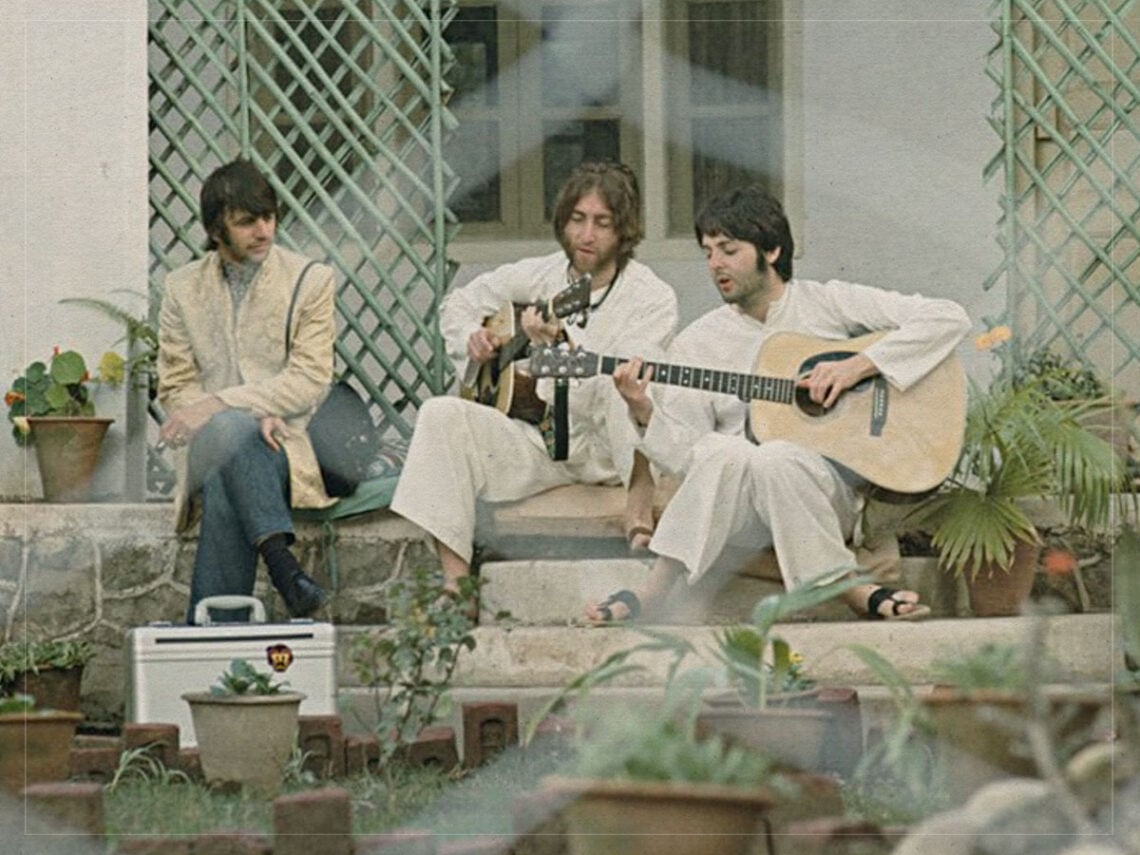
The song took shape while Lennon was in India along with the rest of the band, who were attending a transcendental meditation camp with the Maharishi Mahesh Yogi.
“I had been thinking about it up in the hills in India,” said Lennon in a 1980 Playboy interview. “I still had this ‘God will save us’ feeling about it, that it’s going to be all right (even now I’m saying ‘Hold on, John, it’s going to be all right,’ otherwise, I won’t hold on), but that’s why I did it, I wanted to talk, I wanted to say my piece about revolution. I wanted to tell you, or whoever listens, to communicate, to say ‘What do you say? This is what I say’.”
Further reading: From The Vault
While Lennon was sometimes known for having a furiously uncompromising nature, ‘Revolution’ saw him adopting what would become a famous position for him: an abandonment of violence as a principle and instead exploring the idea of peaceful social change as a response to brutal and bloodied political tension.
“John’s idea of revolution was that he did not want to create the situation where, when you destroy statues, you become a statue,” Yoko Ono later clarified. “And also what he means is that there’s too much repercussion in the usual form of revolution. He preferred evolution. So, you have to take a peaceful method to get peace rather than you don’t care what method you take to get peace, and he was very, very adamant about that.”
Ultimately, it was the foundation for a chapter of his career that would become the most beloved and storied, where he used his music to be a powerful vehicle for change and began championing his signature view of peace over war. With the way things were in the world, Lennon would have undoubtedly reached a point of artistic activism, but maybe heading to India and writing ‘Revolution’ was the perfect way to start.
ADD AS A PREFERRED SOURCE ON GOOGLE  The Far Out Beatles Newsletter
All the latest stories about The Beatles from the independent voice of culture.
Straight to your inbox.