
Henri Murison, chief executive of the Northern Powerhouse Partnership, welcomed the additional investment as an important step towards improving Yorkshire’s rail network.
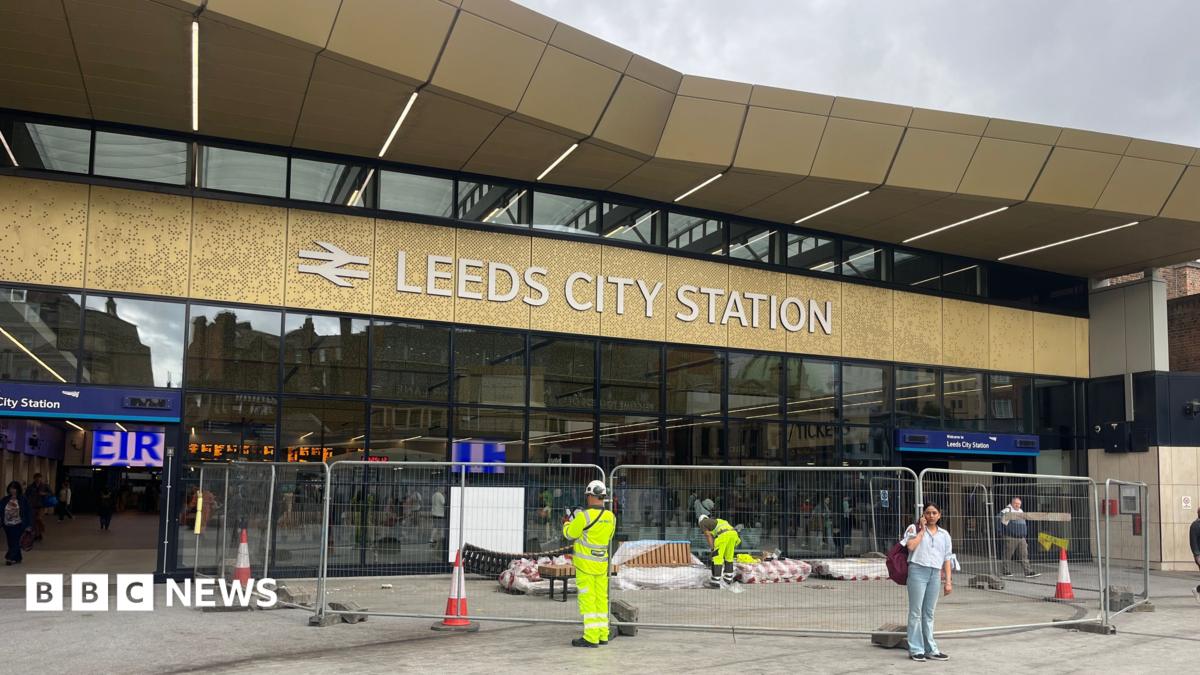
But he also warned: “It isn’t going to solve all of Leeds station’s problems.”
He said the planned Bradford development could also help relieve pressure on Leeds by allowing more trains to operate across the wider network.
“There are some positive benefits of a new station in Bradford, not just to Bradford, but also to Leeds and to the wider rail network.”
Beyond the rail investment, the Budget also outlined plans to give regional mayors greater control over funding through a share of business rates revenues and, from 2028, income tax receipts.
Murison said the changes could transform the speed at which projects were delivered, allowing mayors to make more decisions locally.
Rather than waiting for annual Treasury decisions, he said mayors could use future revenues to support borrowing and attract private investment.
He pointed to potential investment around Bradford’s Southern Gateway, Elland Road in Leeds and the Don Valley corridor in South Yorkshire, where infrastructure development could unlock jobs, housing and economic growth.
However, Murison stressed that greater devolution would not mean an end to central government’s involvement in major infrastructure schemes.
“For example, Northern Powerhouse Rail is partly a national project,” he said.
“It’s about connecting the whole of the North together, not just within West Yorkshire.”