
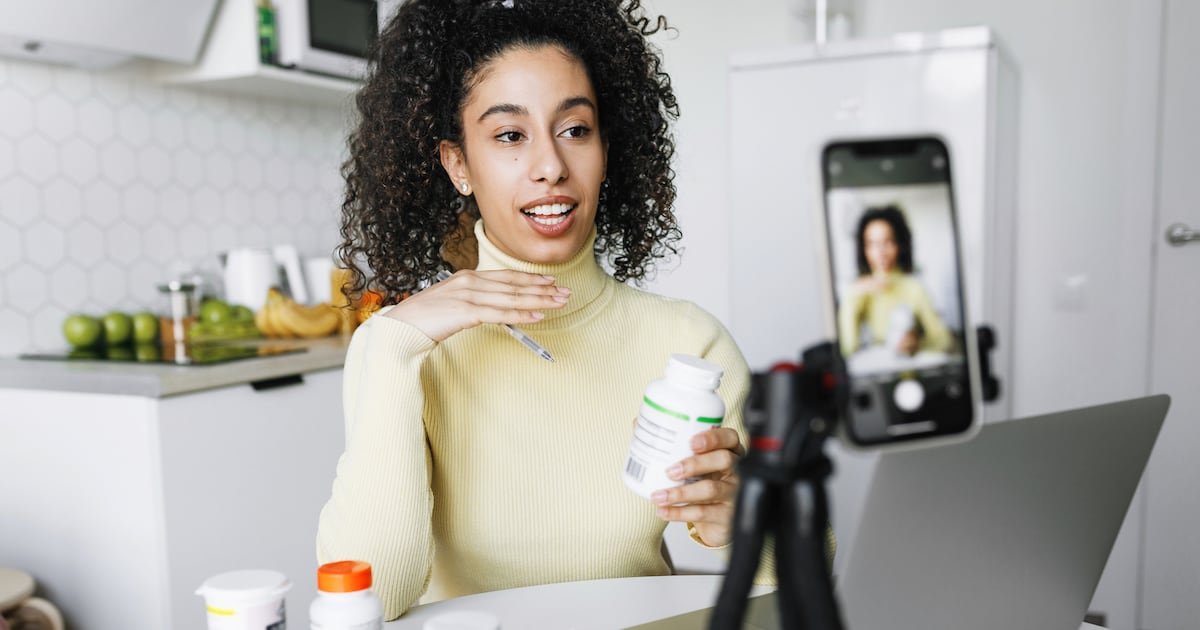
The guidelines outline the legal responsibilities of content creators who monetise their content through sponsorships, free products, affiliate links or self-promotion.
It also sets out practical steps for brand owners, including conducting due diligence on creators, establishing clear contractual requirements, providing compliance training and monitoring campaigns.
“Consumers deserve accurate and trustworthy information about food supplements, wherever they encounter it,” Mr. Peter Loosen, FSE chair said.
Misleading supplement claims
Brands increasingly rely on social media creators to promote products and influence consumer purchasing decisions through sponsored posts, reviews and short-form videos. Mordor Intelligence projects the global influencer marketing market to grow from USD 40.51 billion in 2026 to USD 193.9 billion by 2032, reflecting a compound annual growth rate (CAGR) of 29.71% between 2027 and 2032.
However, the rise of influencer marketing has also increased concerns about misleading food supplement claims on social media. Research from the European Food Information Council (EUFIC) recently identified food supplements as the most common topic in misleading food-related influencer content.
The analysis assessed more than 540,000 social media posts and identified over 1,000 potentially misleading food communications, including 474 posts about supplements. It found that influencers frequently exaggerated product benefits or omitted important context, particularly when promoting sports nutrition, weight-loss products, vitamins and wellness supplements.
The analysis also identified the food industry as the largest source of food misinformation in the dataset, accounting for 52% of cases, with tactics including unsupported health claims, questionable quality seals and advertorials disguised as news.
EU tightens focus on influencer marketing compliance
There are strict existing rules against misleading advertising, hidden sponsorships and false or unauthorized health claims. The European Union regulates food supplement marketing to protect consumers by requiring brands and influencers to disclose commercial relationships, provide accurate product information and avoid claims that supplements can prevent, treat or cure diseases.
This includes rules that prohibit claims that supplements can prevent, treat or cure diseases, restrict health claims to those supported by scientific evidence and authorized for use, and require businesses to provide clear information about ingredients, allergens and dosage.
EU law also prohibits misleading advertising and requires influencers to disclose paid partnerships, gifted products and affiliate links transparently. In addition, online platforms must meet requirements designed to improve advertising transparency and protect minors.
The European Commission recently launched an online Influencer Legal Hub to help influencers, content creators, advertisers and agencies comply with EU consumer protection law. The Hub provides video training, legal guidance, summaries of key EU laws and court rulings, and links to national consumer authorities and further resources.
While these rules already exist, Loosen noted that enforcement remains challenging in the fast-moving influencer marketing landscape.
“The rules governing these communications are already extensive,” he said. “Our guidance helps brands and content creators understand what those rules mean in practice and how to fulfil their responsibilities.”
Advice to brands
FSE highlights the shared responsibility of brands and creators to address non-compliant content quickly, correct misleading claims, remove problematic posts and respond effectively to consumer complaints.
“Shared responsibility means that every actor has a clear role,” Loosen said. “Content creators must take responsibility for their messages, brands must provide appropriate support and oversight over communications within their reasonable degree of control, and authorities must enforce the rules.”
FSE recommends that brands check influencers’ advertising compliance records, audience authenticity and suitability, including their reach among minors and vulnerable consumers.
Brands should establish written agreements that specify permitted claims, advertising disclosure requirements, content approval responsibilities and procedures for correcting or removing non-compliant posts.
They should also provide creators with accurate product information, including composition, recommended daily intake, warnings and authorised health claims, making clear that supplements must not be presented as preventing, treating or curing diseases.
The guidance further advises brands not to commission or approve campaigns directed at minors, and to avoid messaging that exploits body-image concerns or encourages excessive supplement consumption. Brands should monitor campaigns for hidden advertising, unauthorized claims and unsafe messaging, then act promptly to correct or remove problematic content.
“Do not assume that familiarity with advertising-specific rules such as disclosures means a content creator understands the specific rules for food supplements,” the report urges.
FSE also recommends maintaining complaint-handling procedures and records of monitoring and corrective actions to strengthen compliance and protect consumer trust.