
Follow us
Add us as a preferred source on Google
Newsletter
Subscribe to our newsletter
I had never been to Copenhagen, or anywhere in Denmark, for that matter, when I received an email from Carl Hansen & Søn inviting me to travel not only to the famous Scandinavian city, but also to the owner’s estate on Funen island, and to tour the brand’s factory. It was an invitation to meet the family behind the name and see, firsthand, the creation of the iconic furniture. How could I say no?
When beginning a career in design writing, I became familiar with the Carl Hansen name in the same way you do legendary companies or famous families — through aspirational association. When a piece is from Carl Hansen, the immediate vocabulary is expensive, high-quality, well-made, or a piece you strive to own. And if you are a fan of interior design, you’ve most likely heard of or seen the Wishbone Chair at some point. But when a company like this is also known for being a family business — and, in this case, one central to the Danish design world — it’s instantly intriguing how it grew to icon status, or how they still operate in a family-oriented manner today.
After three days with the team, it was clear that two words could summarize what drives the Scandinavian design brand‘s acclaim: craftsmanship and devotion. Knud Erik Hansen, the grandson of Carl and the current CEO, knows good design better than most and how to ensure his company has the best of it. And everyone at Carl Hansen, from Knud to the apprentices and factory workers, is committed to maintaining the craft. It’s these qualities that make Carl Hansen & Søn worth knowing.
Latest Videos FromLivingetc
Getting to Know Carl Hansen & Søn Inside the Funen Estate
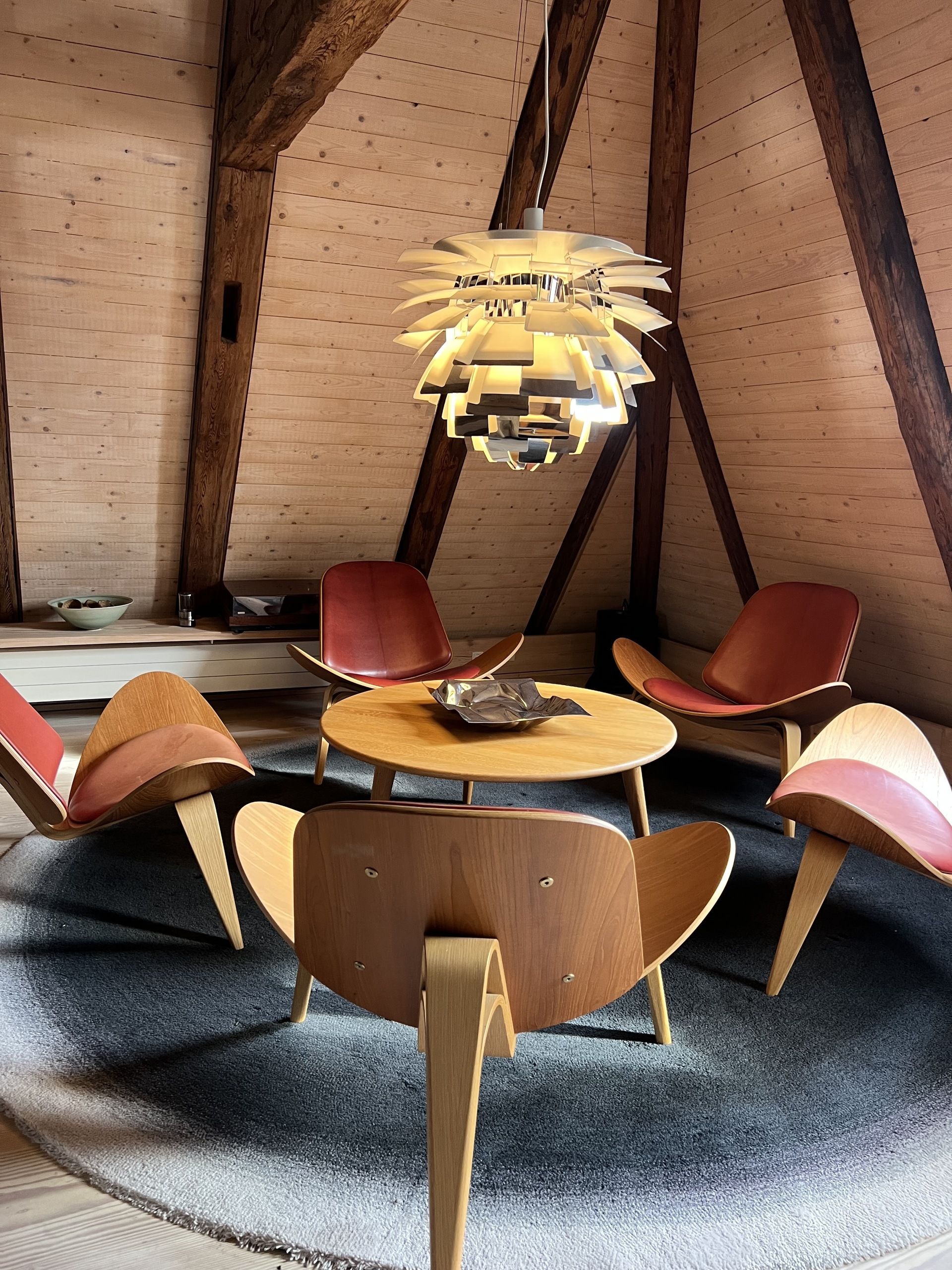
This more mid-century display showcases the experimental design that the Shell chair had at the time.
Image credit: Future, Olivia Wolfe
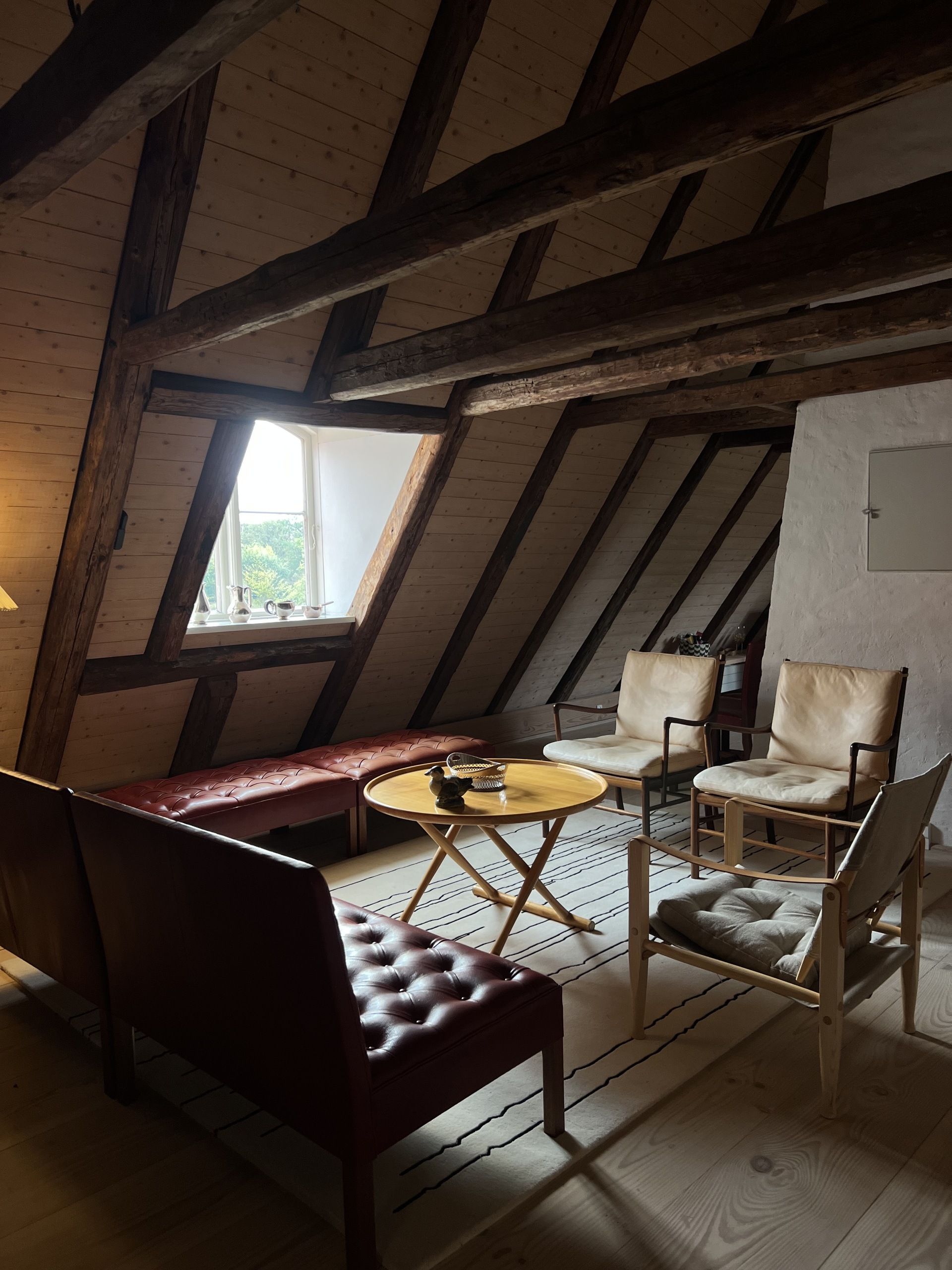
This may have been the coziest spot of the Hansen home.
Image credit: Future, Olivia Wolfe
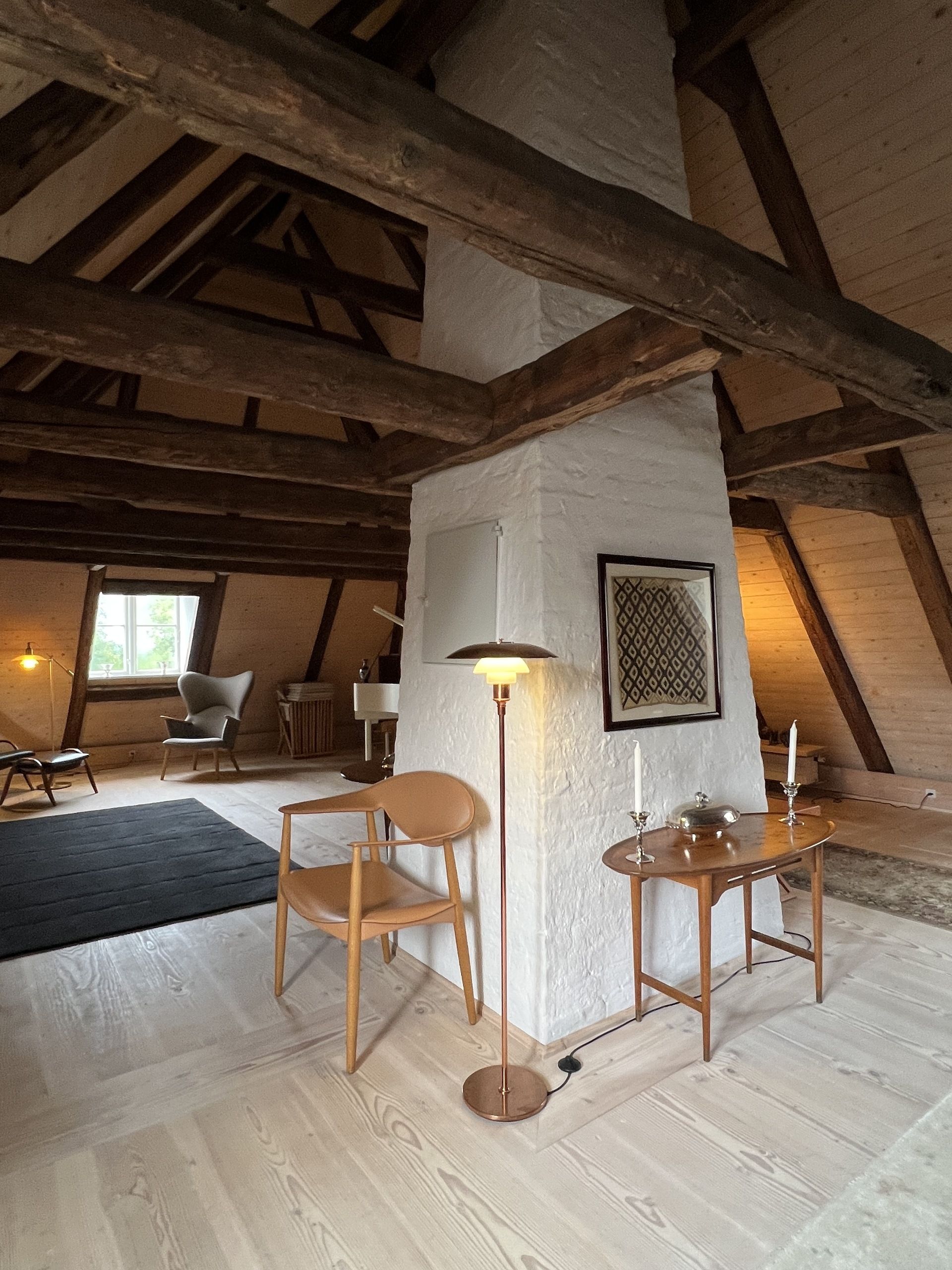
The chair on the left is the Larsen & Bender Madsen LM92P, Metropolitan Chair.
Image credit: Future, Olivia Wolfe
There’s no more intimate a setting for meeting someone than being invited into their home. After driving through the Danish countryside, we arrived at Knud Erik Hansen‘s residence on the island of Funen for our tour of the four-storey, heritage-protected estate, complete with a moat and running church. The home, which is better described as a kind of Carl Hansen museum, is where we spent the afternoon learning the stories that shape the Hansen history.
Every corner of every floor has an iconic Danish chair or an original piece of furniture from Carl Hansen’s lineage. As we made our way to the cozy, renovated attic space, it was at first hard to believe that Knud and his wife actually occupy the rooms. Original Wegner pendant lights (the only three of their kind ever made) were hanging above a one-of-a-kind custom dining table, and the first dream chair designed by Japanese architect Tadao Ando was positioned next to a white baby grand piano. But rest assured, Knud told us that this space is well-lived; he loves to make breakfast for his wife up here every Saturday.
You may like
“I think it is important to understand that we are not simply a furniture company, but a craft-driven design house built around long-term thinking,” Knud tells me. “Every piece we produce is selected with great care because we believe good design deserves to be preserved, made responsibly, and passed on from one generation to the next.”
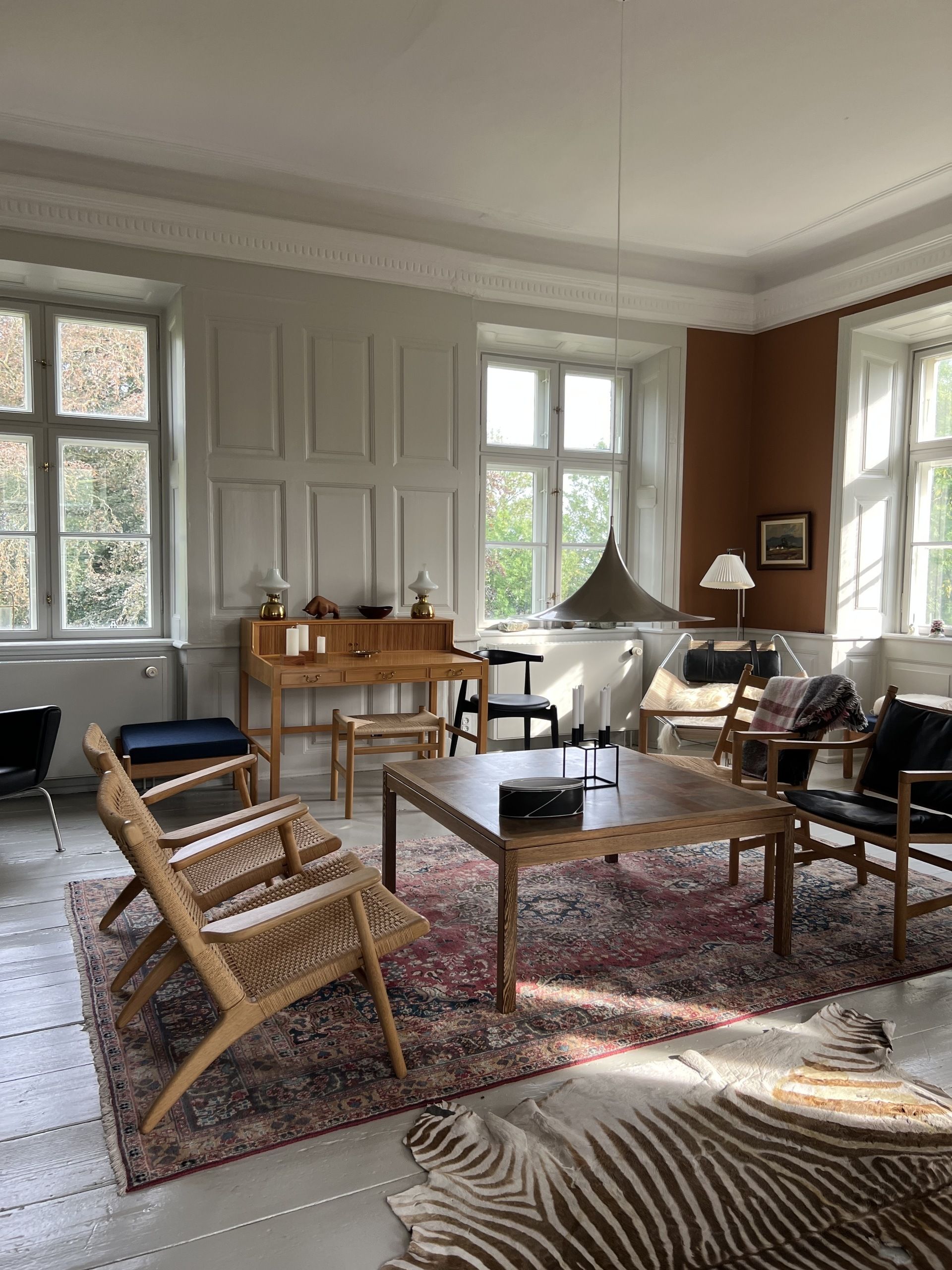
This room holds several pieces of Carl Hansen furniture.
Image credit: Future, Olivia Wolfe
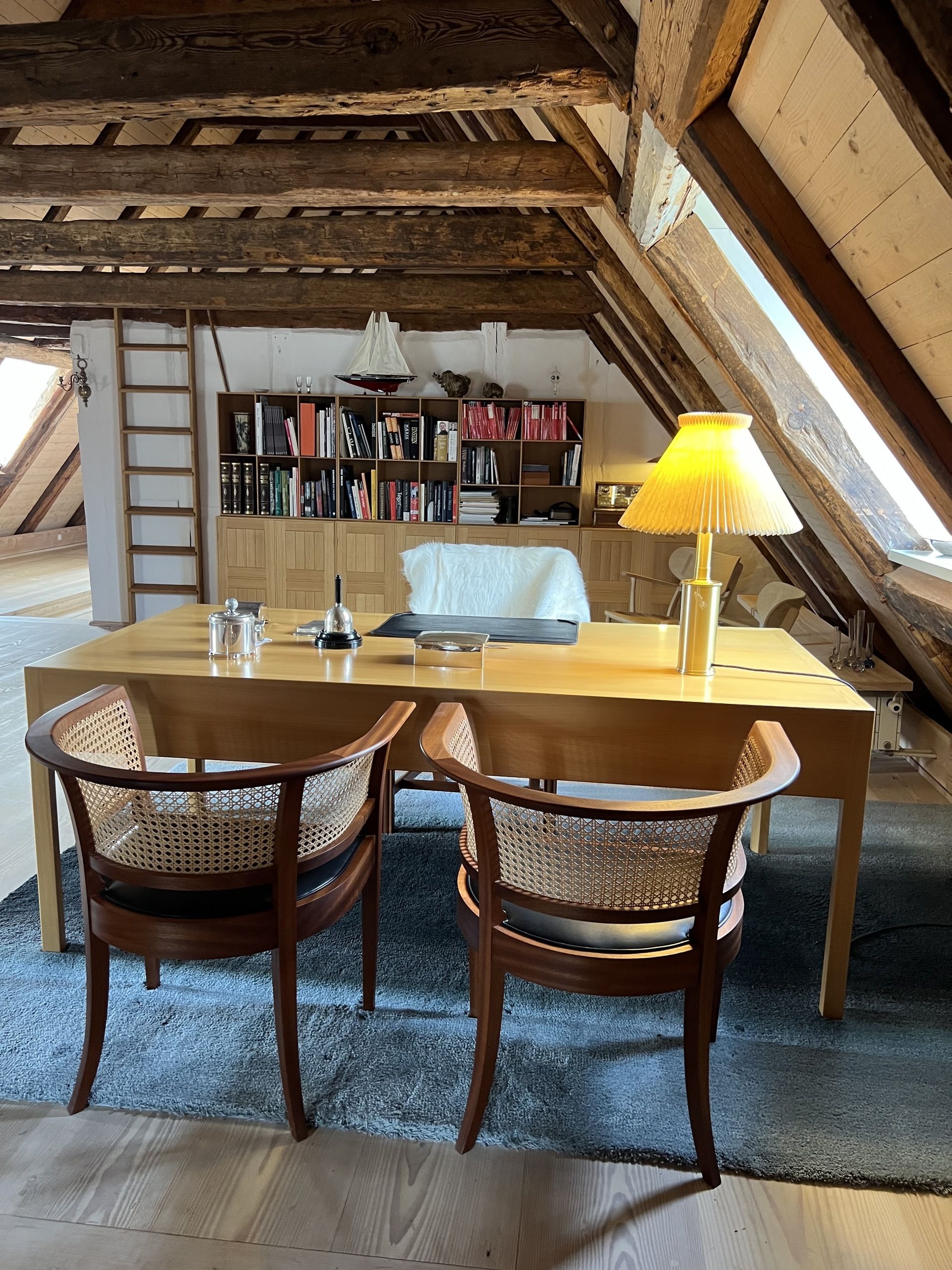
Here you get a good glimpse of the Faaborg Chair.
Image credit: Future, Olivia Wolfe
Knud Erik Hansen
Social Links Navigation
CEO
Knud Erik Hansen, CEO and third-generation owner of Carl Hansen & Søn. Knud has spent many years growing the family business and acquiring different factories and companies to further expand Carl Hansen’s design repertoire.
And as a furniture manufacturing company founded by a master cabinetmaker back in 1908, Carl Hansen has always been rooted in that desire to produce the best of the best. The company is currently the largest manufacturer of Hans J. Wegner’s designs (a small portion of ornate designs are in production at other manufacturers — a slice of friendly competition, I’m assured) as well as several other iconic designers that share a similar design ethos. Kaare Klint and Børge Mogensen are among the mix.
Undoubtedly, Carl Hansen is inspired by the Golden Age of Danish Modern — a sub-style of mid-century modern furniture, but with more warmth and Scandi influence. However, the brand is equally influenced by the timeless principles behind it: honest, natural materials, masterful craftsmanship, functional beauty, and a deep respect for people and the environment.
“Our philosophy has always been rooted in the belief that exceptional design should improve everyday life and endure for generations,” says Knud. “Furthermore, we are very proud of producing our products in Denmark, educating cabinetmakers, and preserving traditional crafts for the future.”
The Story Behind the Iconic Furniture
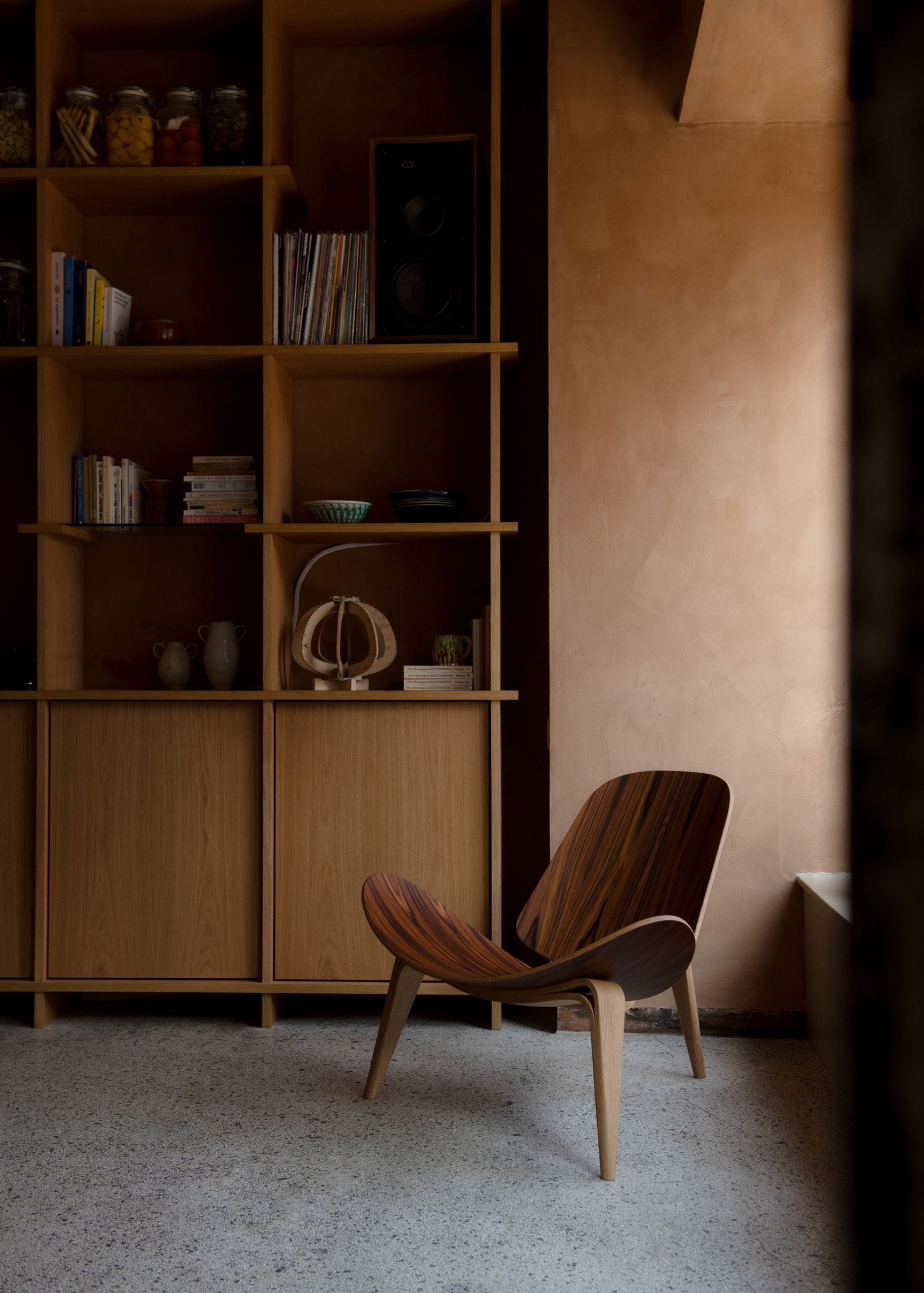
The shell chair expertly combines form and function.
Image credit: Carl Hansen
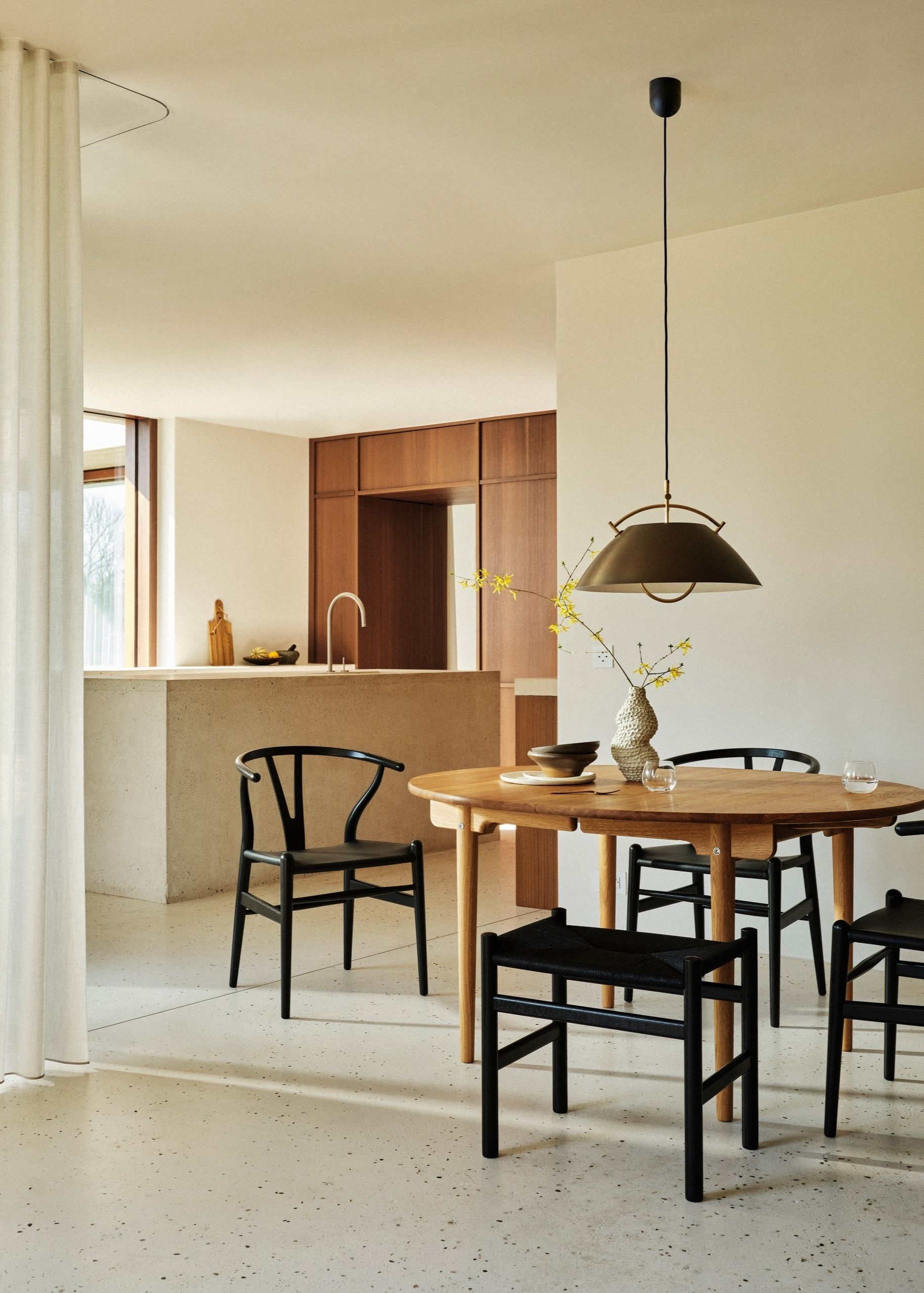
The Wishbone chair can feel surprisingly cozy, even with its more minimalist design.
Image credit: Carl Hansen
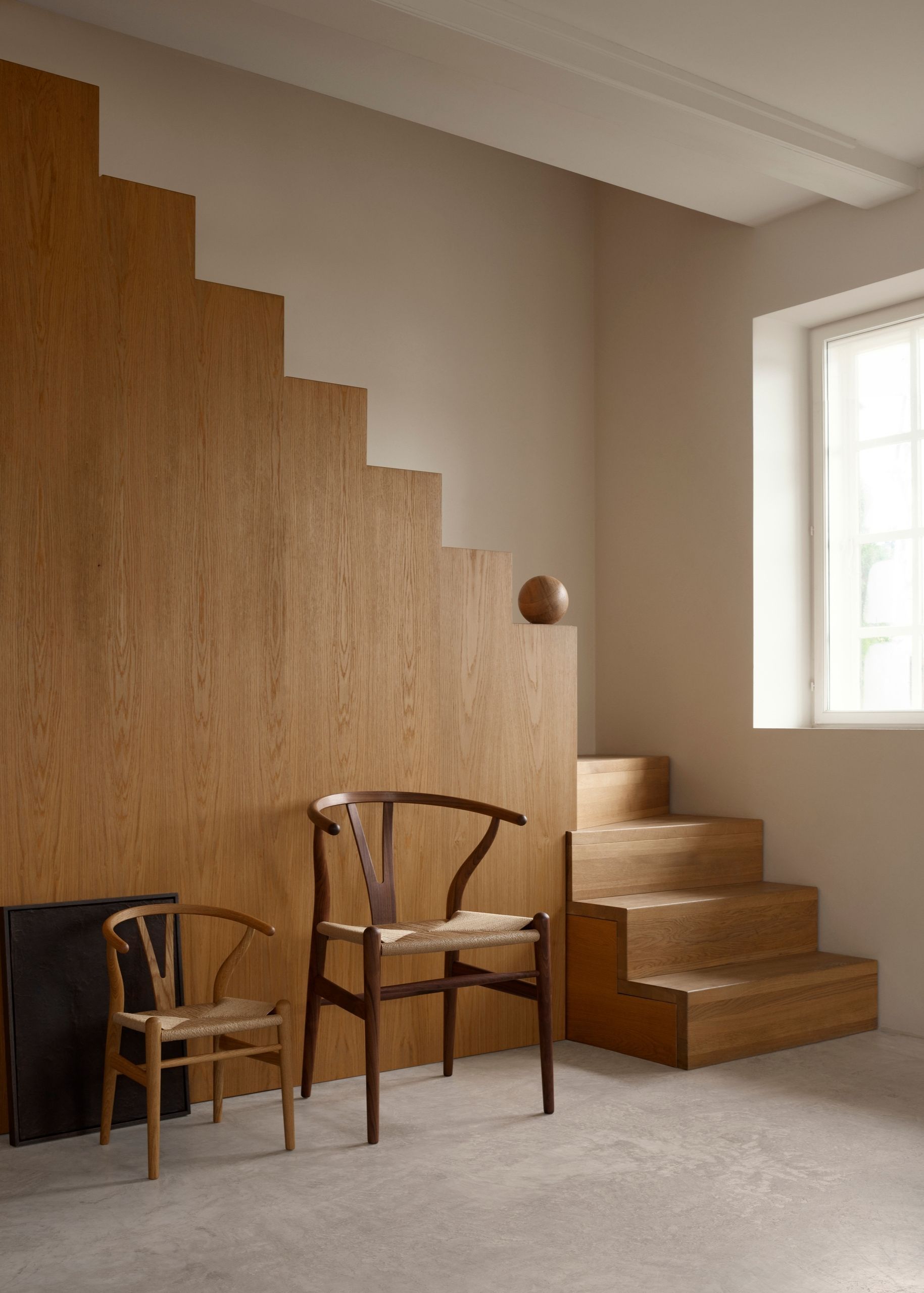
There is a sense of timelessness and warmth to the designs.
Image credit: Carl Hansen
Every piece made by Carl Hansen fits within the brand’s aesthetic. Sure, there are a few experimental pieces (the Dream Chair instantly comes to mind), but they still mesh with a larger narrative. It’s part of what makes the brand feel like the place to invest in truly timeless furniture. And to understand the brand’s design story, it’s helpful to know what pieces uphold the essence of the brand best.
What to read next
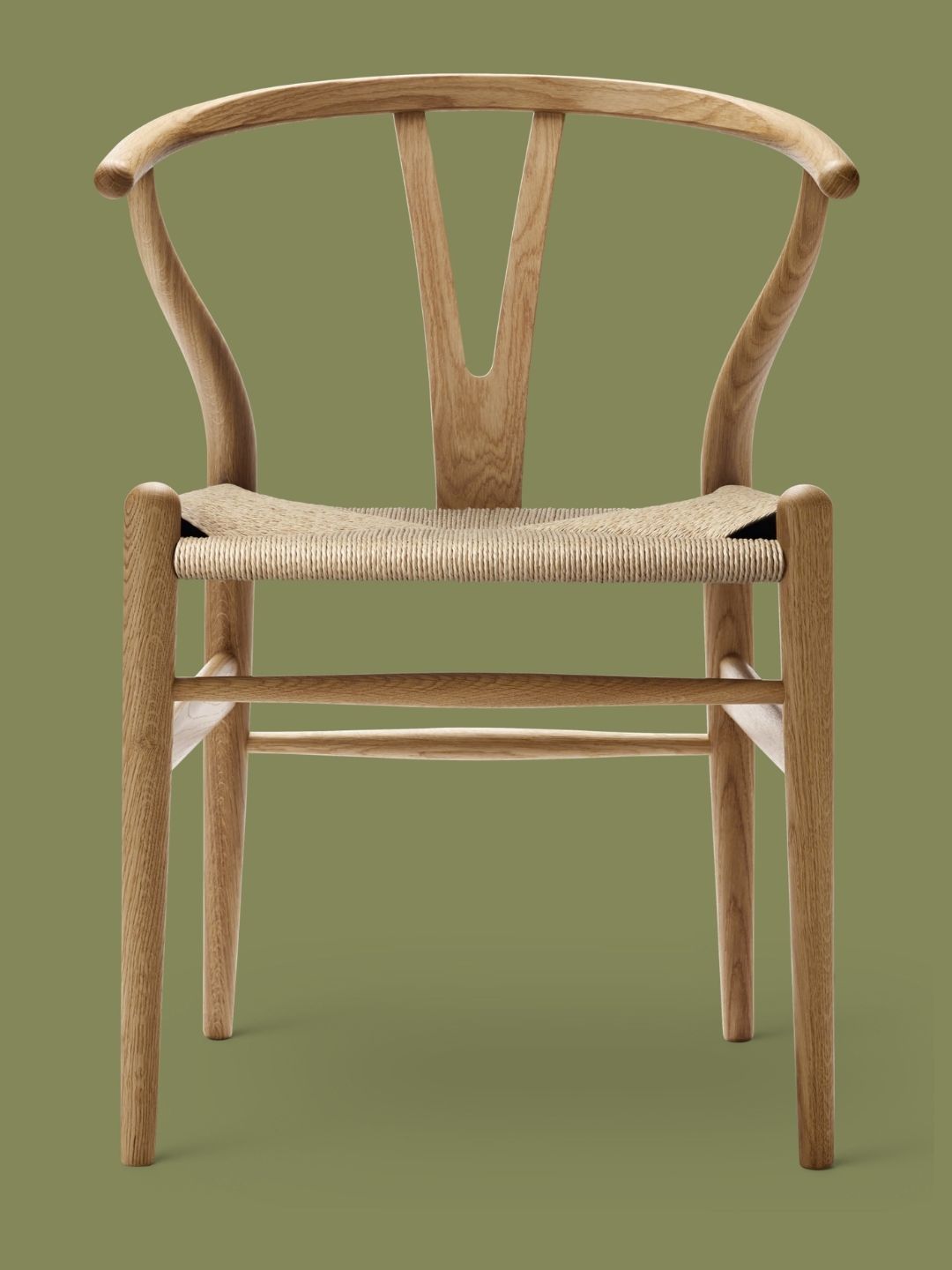
“The CH24 Wishbone Chair by Hans J. Wegner is undoubtedly one of them,” says Knud. “It perfectly combines sculptural beauty, comfort and extraordinary craftsmanship in a way that feels as relevant today as it did in 1950.”
The Wishbone Chair has become a global ambassador for both Carl Hansen & Søn and Danish design. Its appeal lies in the fact that it feels simultaneously iconic and approachable — it’s recognized by design enthusiasts around the world, yet it remains a chair people genuinely live with and use every day.
“The chair has introduced countless people to our brand, often serving as their first encounter with our craftsmanship and values. From there, many discover the wider universe of designers, stories, and products that define Carl Hansen & Søn,” says Knud.
Carl Hansen
CH24 | Wishbone Chair
The very first model Hans J. Wegner designed exclusively for Carl Hansen & Søn in 1949 has been in continuous production since its introduction in 1950. It’s named for the singular piece of wood on the back of the chair, carved and sanded into a wishbone shape.
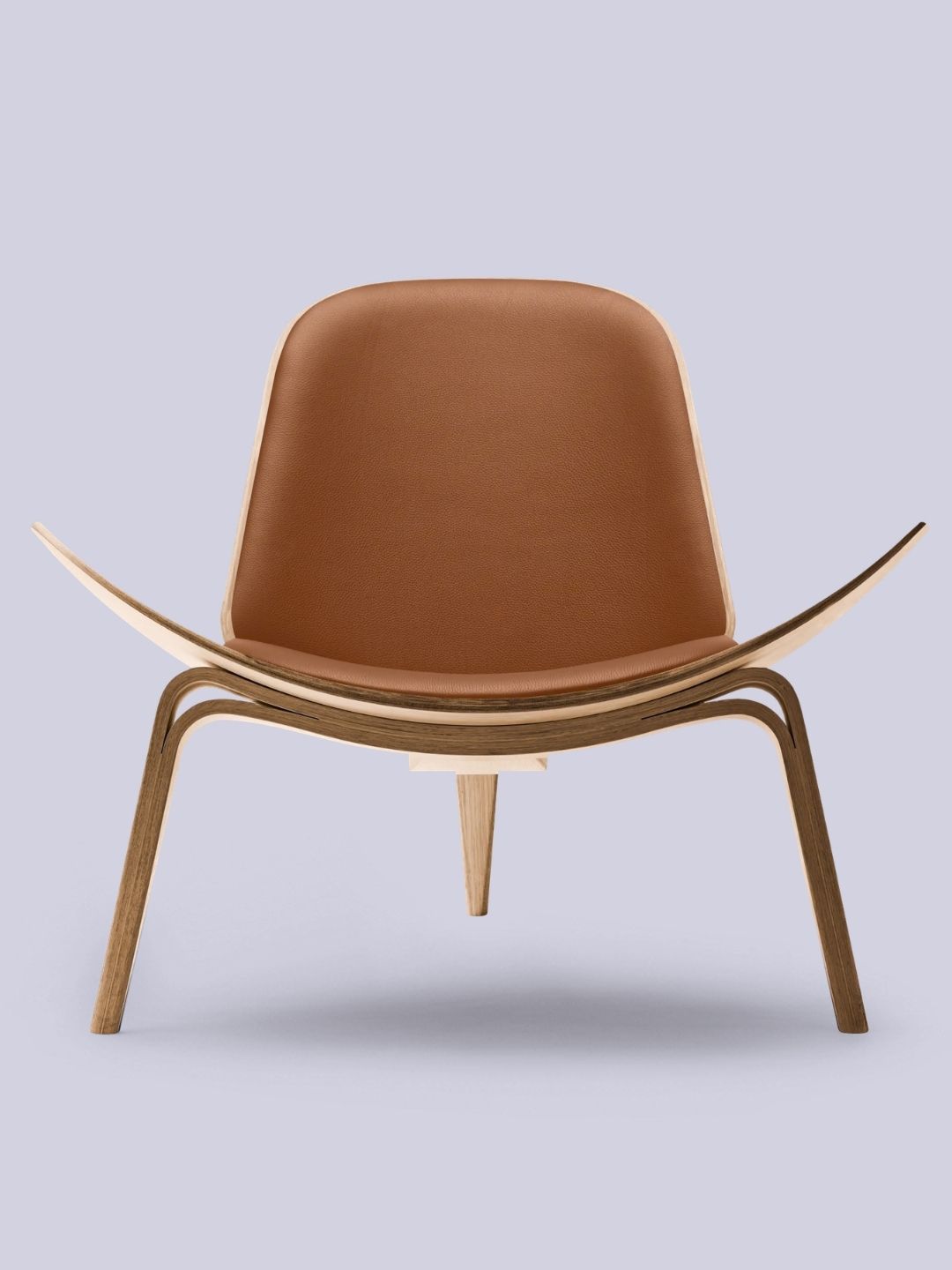
“I would also highlight the CH07 Shell Chair, another Wegner masterpiece that demonstrates his innovative approach to form and construction,” says Knud. The seat’s unique design is instantly recognizable, but still fits into mid-century modern, comfortable, and functional living.
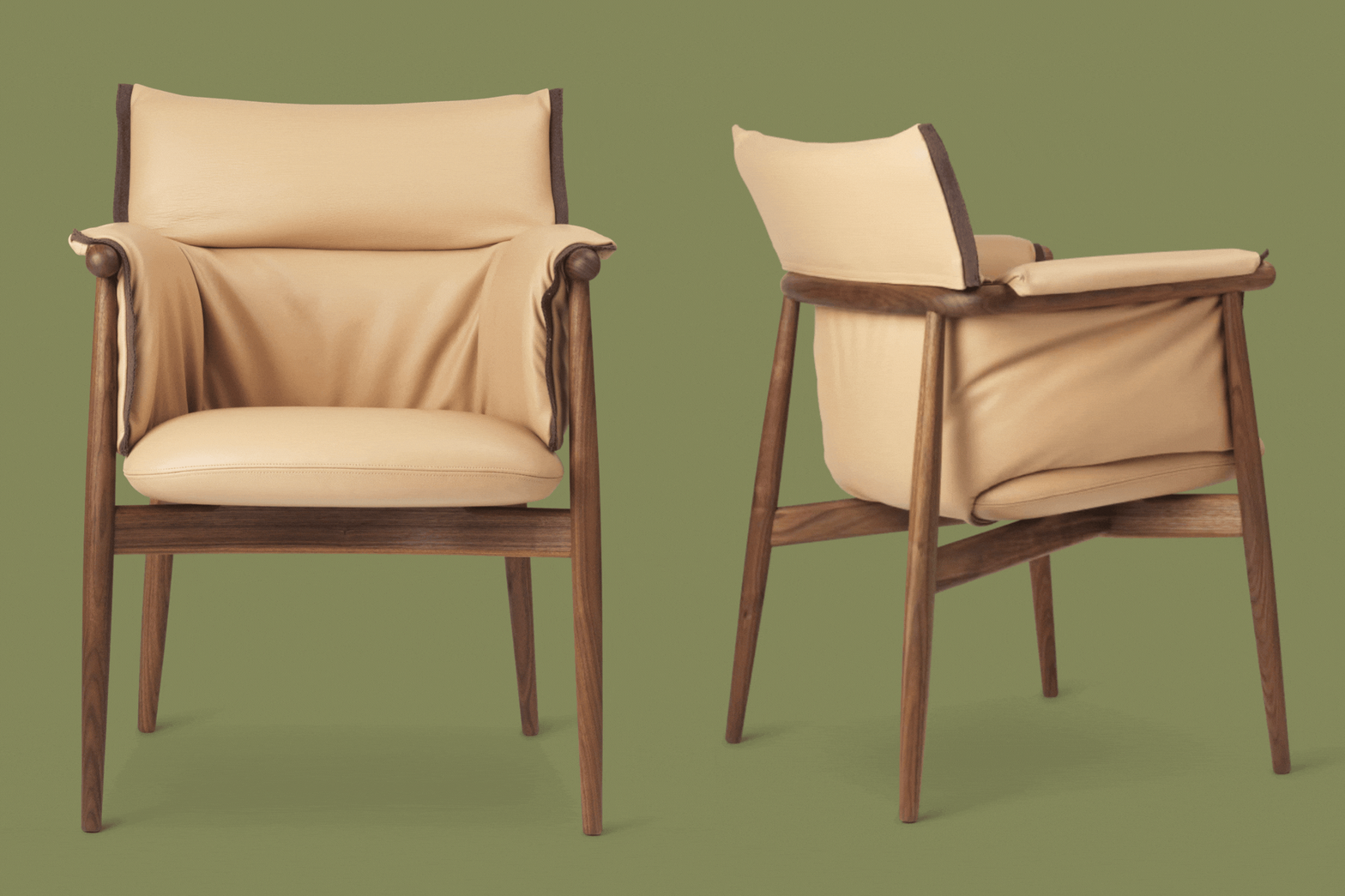
From the brand’s more recent collaborations, Knud says, “EOOS’s Embrace series reflects how contemporary Scandinavian designers can build upon Danish design traditions while creating something distinctly modern.” The leather seat slouched over the arms certainly points to more contemporary design trends.
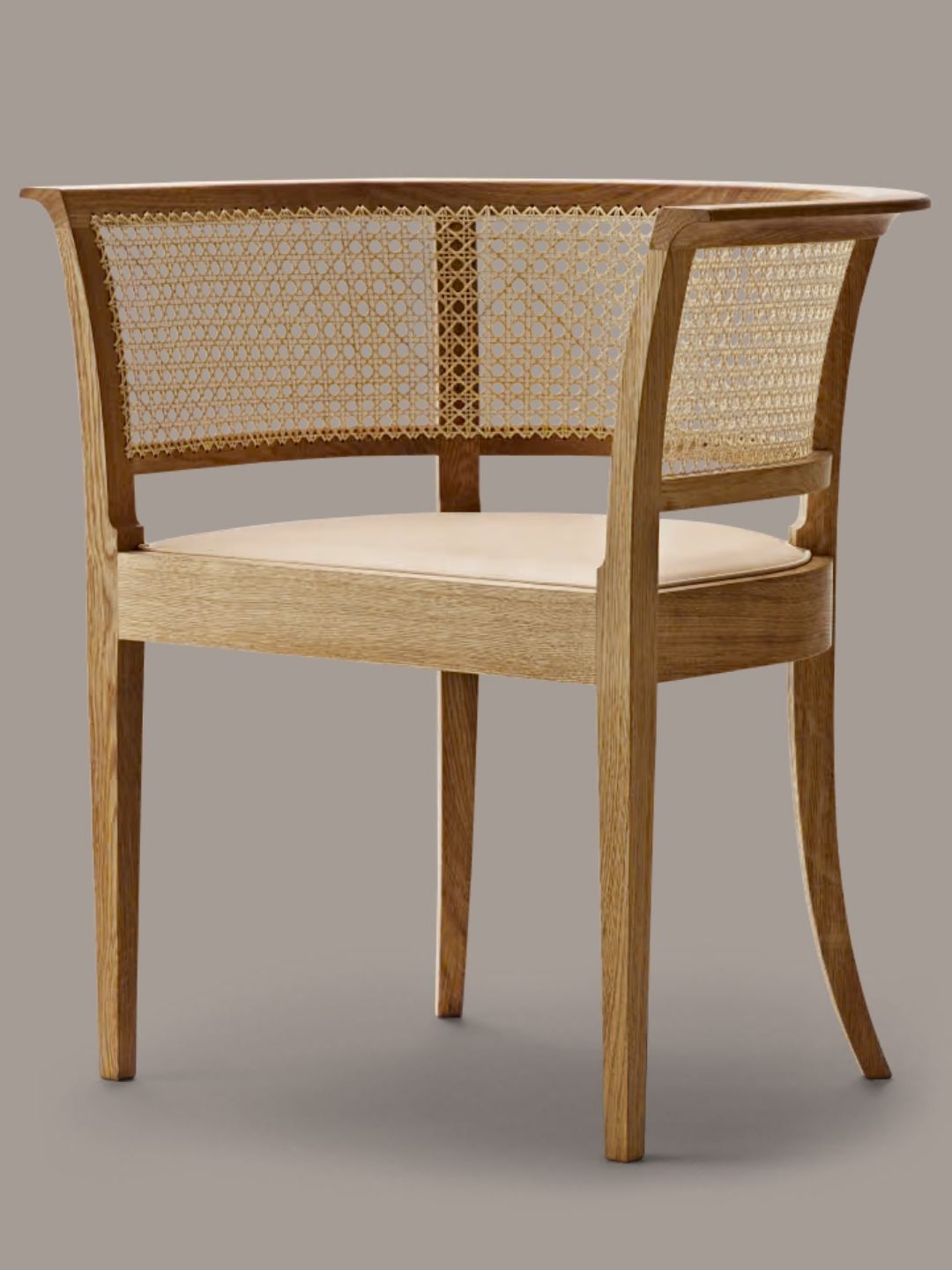
Finally, Knud says, “Kaare Klint’s Faaborg Chair designed in 1914 embodies the thoughtful functionality and understated elegance that continue to define our collection.” And there are currently only two weavers at the factory, both female, who can make this chair.
“Together, these pieces illustrate the breadth of our portfolio while sharing the same commitment to longevity, craftsmanship and human-centered design,” adds Knud.
Carl Hansen
CH07 | Shell Chair
The CH07 Shell Chair was created in 1963, but the design was ahead of its time. Today, it is considered one of Hans J. Wegner’s most iconic and groundbreaking designs.
Carl Hansen
E005 | Embrace Armchair
A collaboration between Carl Hansen & Søn and EOOS, the Embrace Armchair was created in 2015. Its more modern style is perfectly fit to today’s interiors.
Carl Hansen
KK96620 | Faaborg Chair
Kaare Klint’s KK9662 Faaborg Chair was designed in 1914 for contemplating artwork at the Danish Faaborg Museum. Since then, it has become an icon of Danish Design. On the trip, many team members expressed to me their desire to own one one day.
But as mentioned, there are so many designs that make the Carl Hansen brand what it is. Below are a few more worth knowing.
Carl Hansen
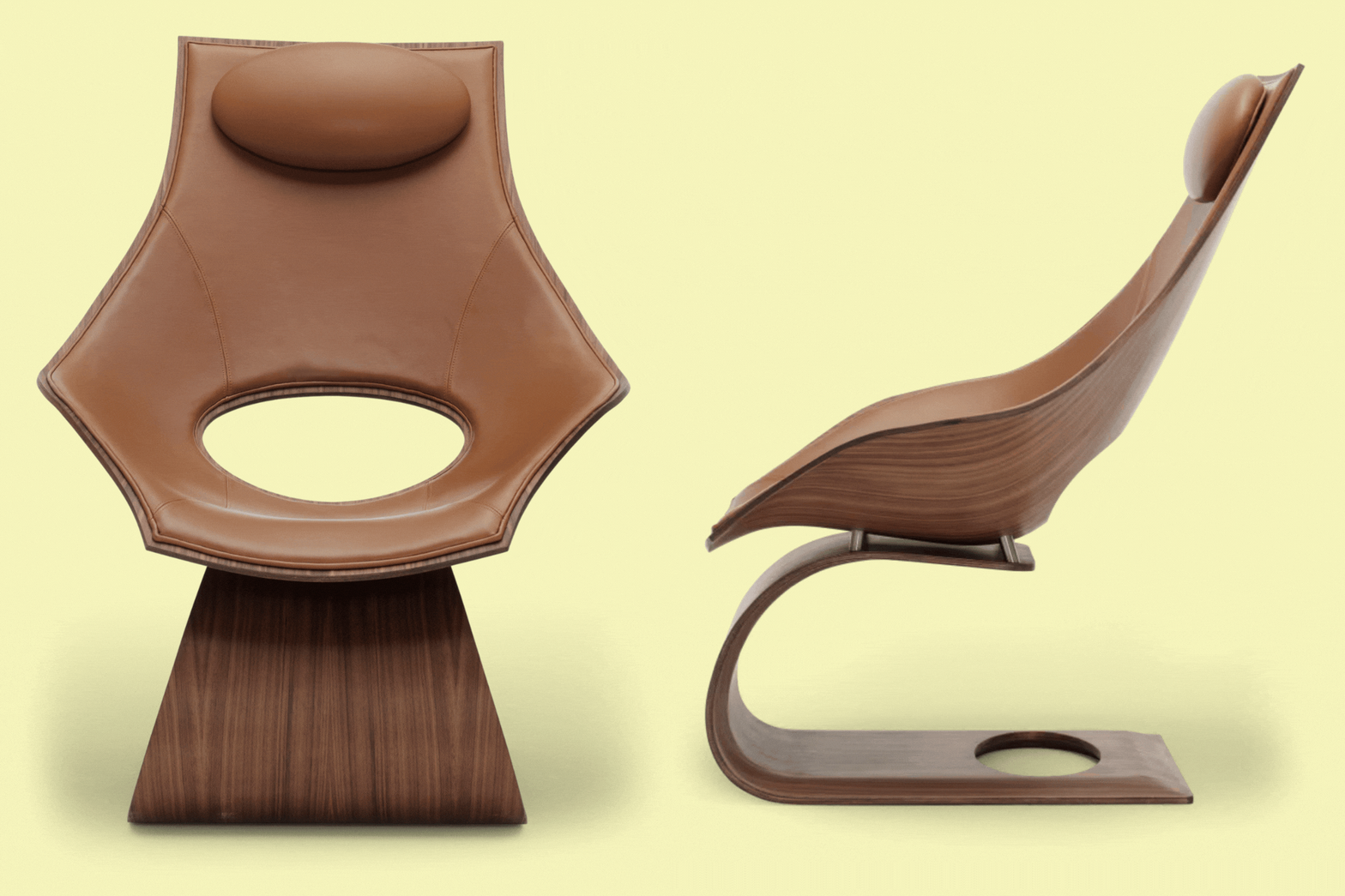
TA001P | Dream Chair
The TA001P Dream Chair is the creation of Japanese architect Tadao Ando. Ando admired the sculptural minimalism in all of Hans J. Wegner’s work and strove to match it in his own designs. But according to Knud, this was one of the more impossible designs to create — the curve was extremely difficult to craft entirely out of wood.
Carl Hansen
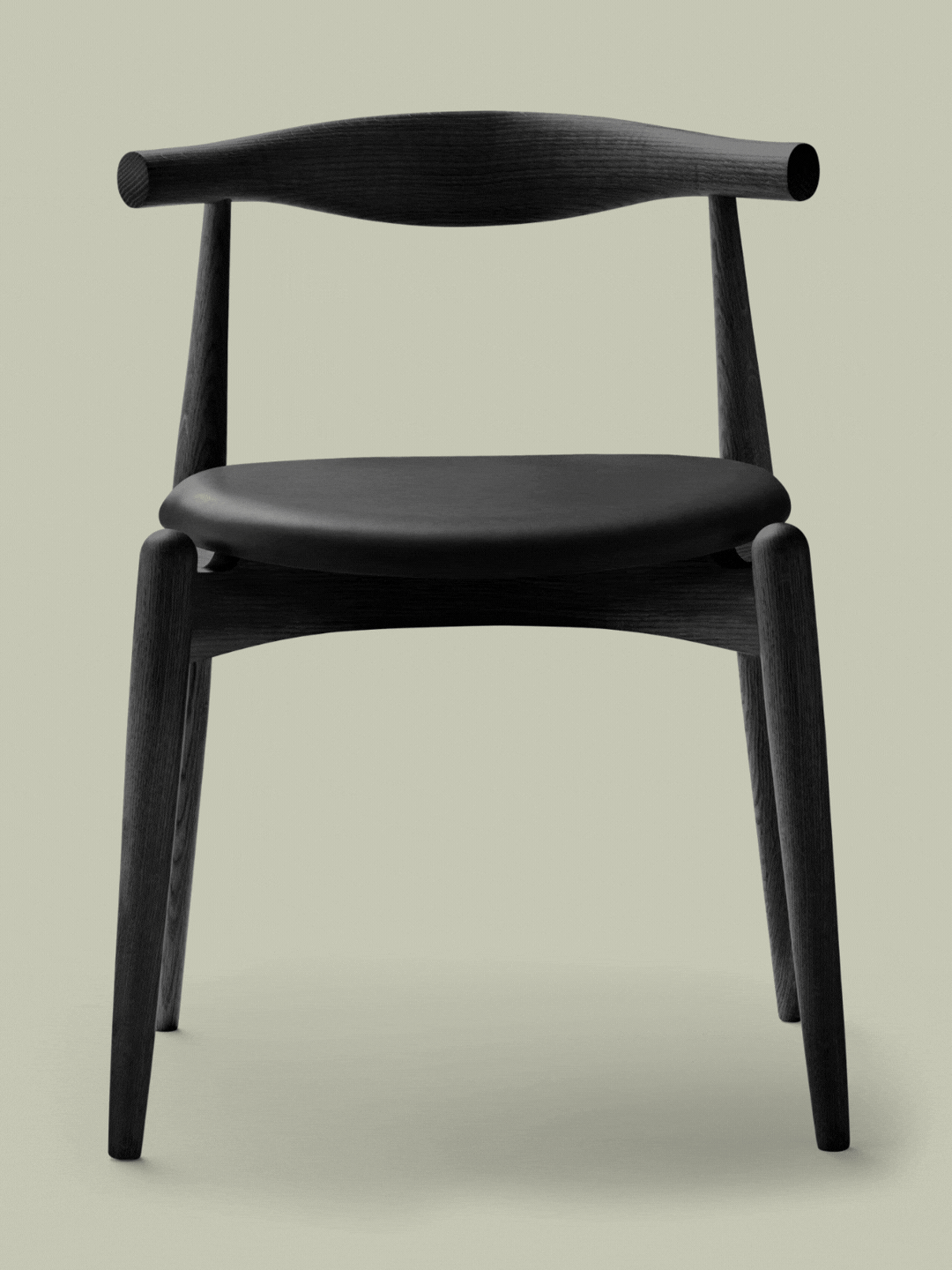
CH20 | Elbow Chair
Very similar in style to the Wishbone Chair, Hans J. Wegner designed the stackable Elbow Chair in 1956. “After crafting two prototypes, he set the production-intensive chair design aside in his archives, where it remained for nearly half a century until it was brought back to life in 2005,” explains Knud.
Carl Hansen
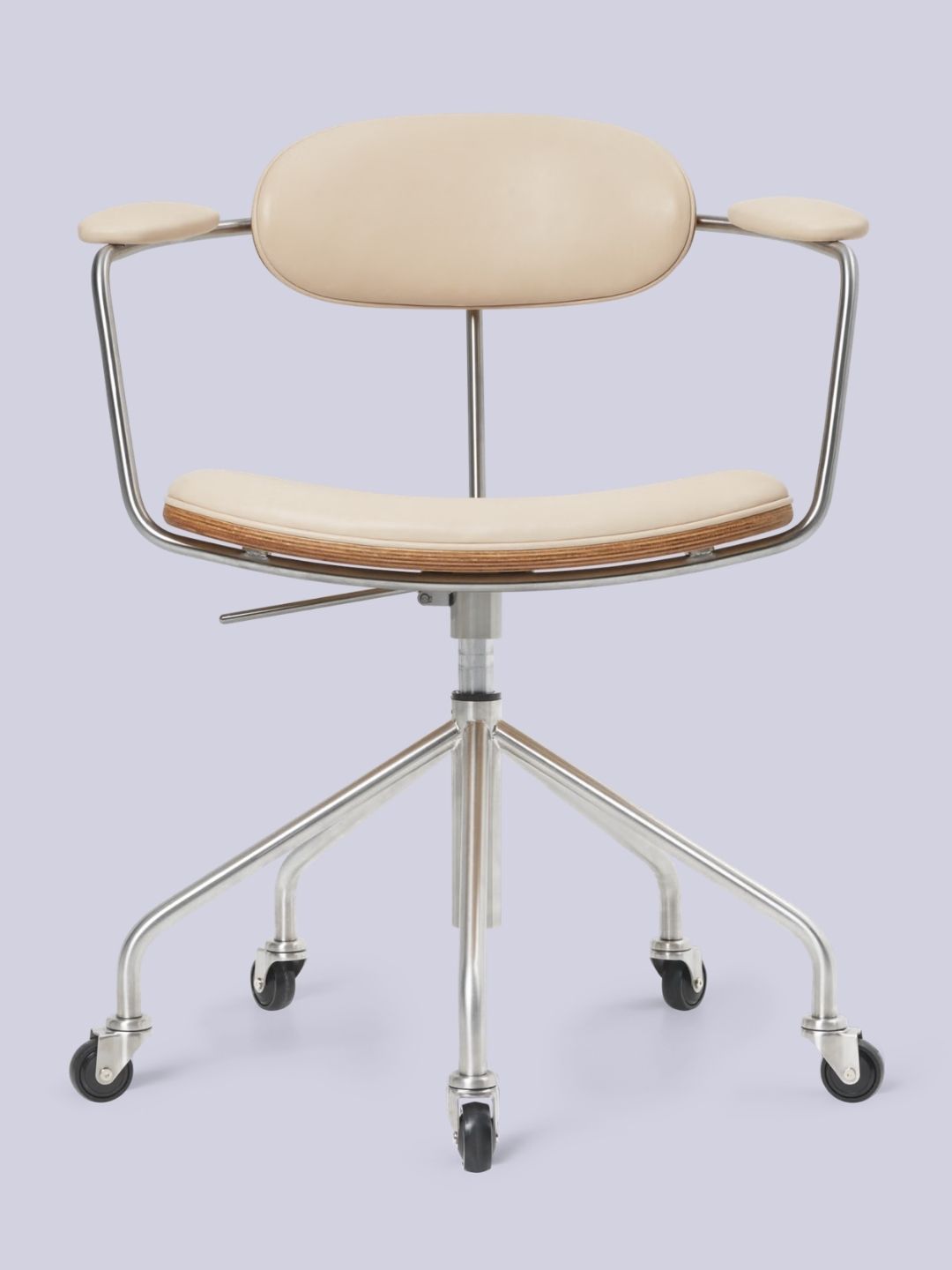
CH621 | Swivel Chair
The CH621 Swivel Chair was designed by Hans J. Wegner in 1948 and is the first swivel office chair in the Carl Hansen & Søn collection. It fits the image of the company while being a more innovative design.
What the Factory Taught Me About Craftsmanship
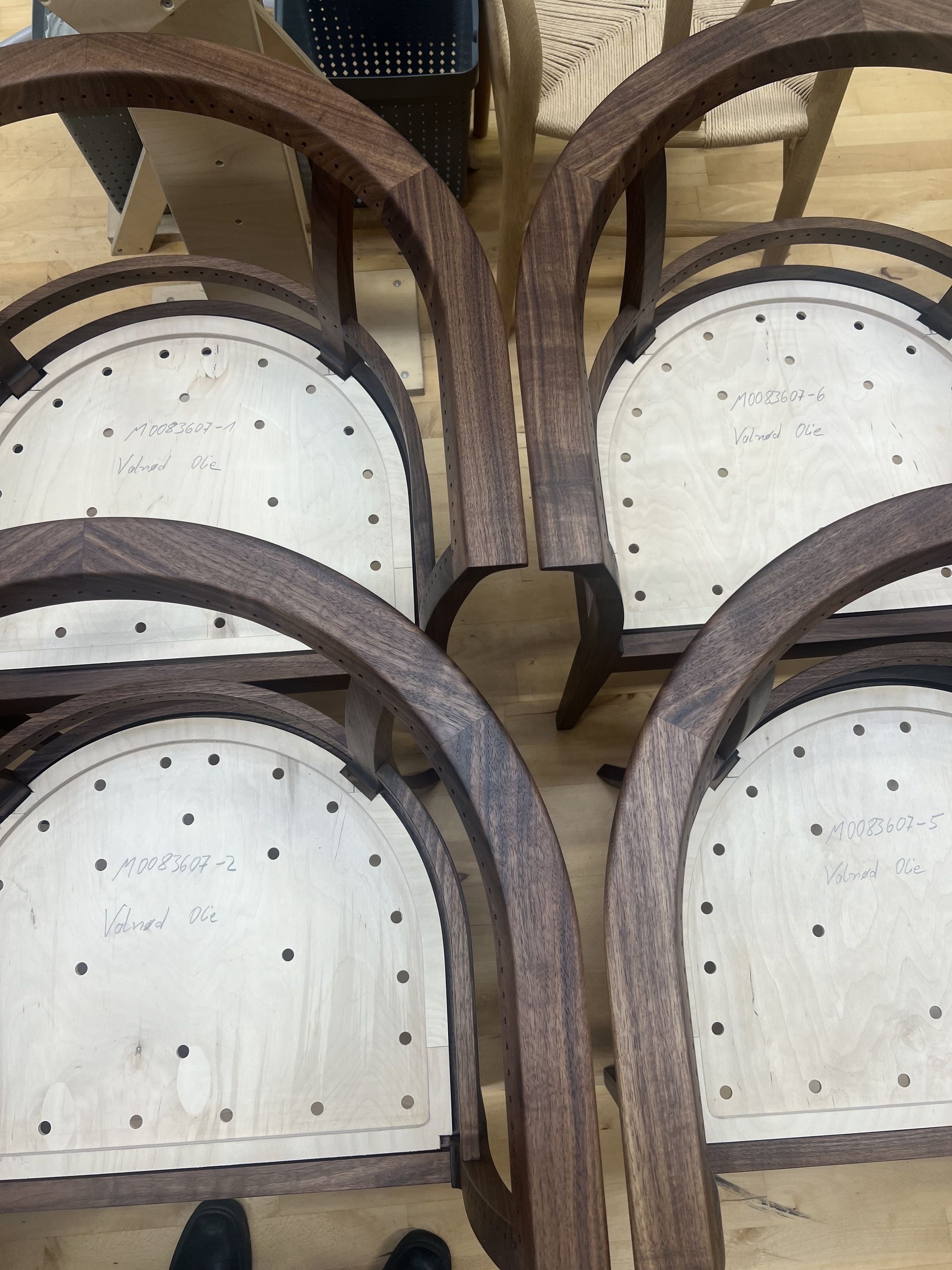
Here are a few of the Faaborg Chairs before the backs and seats have been put on.
Image credit: Future, Olivia Wolfe
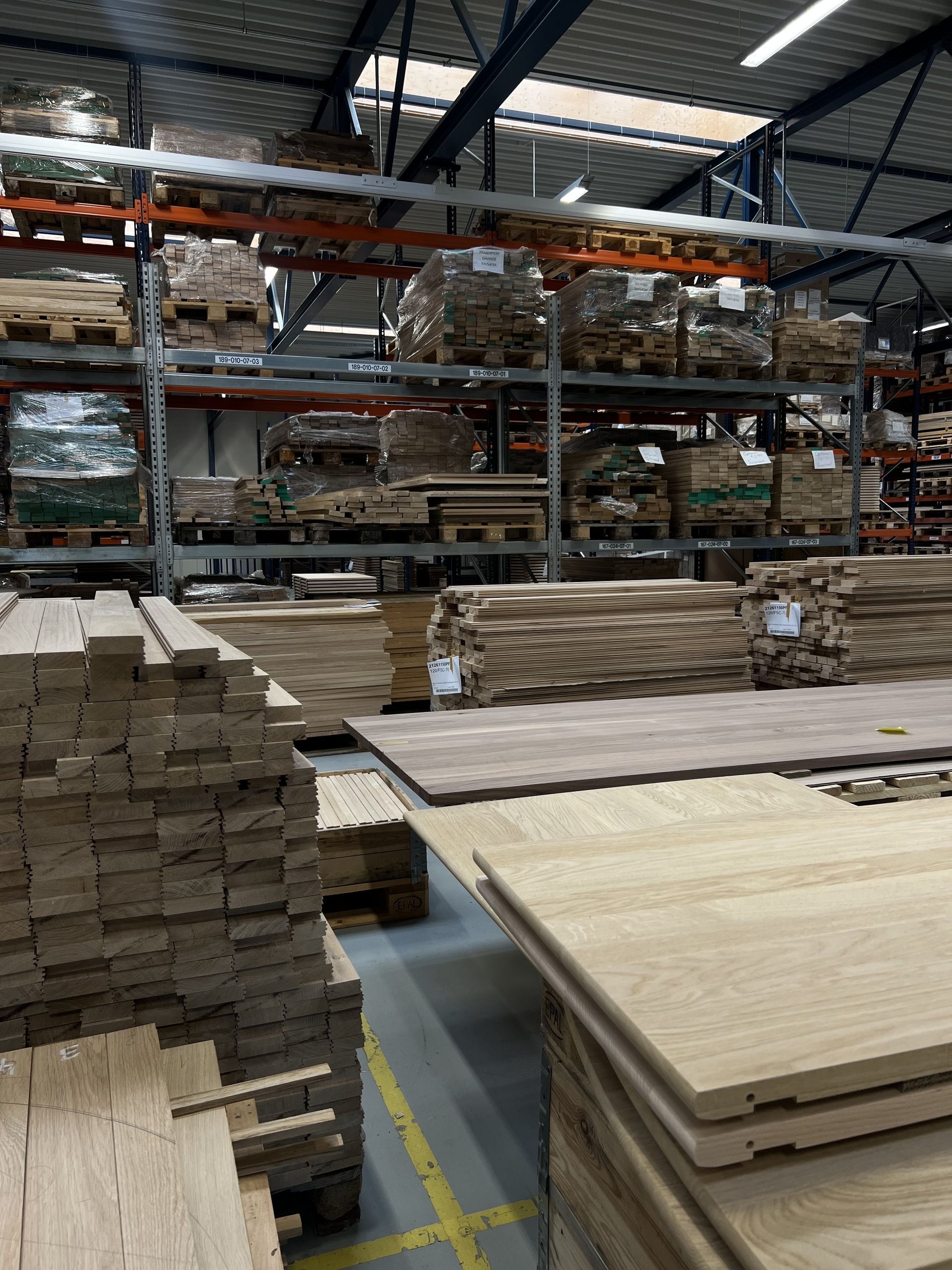
Even the wood is made so that each piece has it’s unique place.
Image credit: Future, Olivia Wolfe
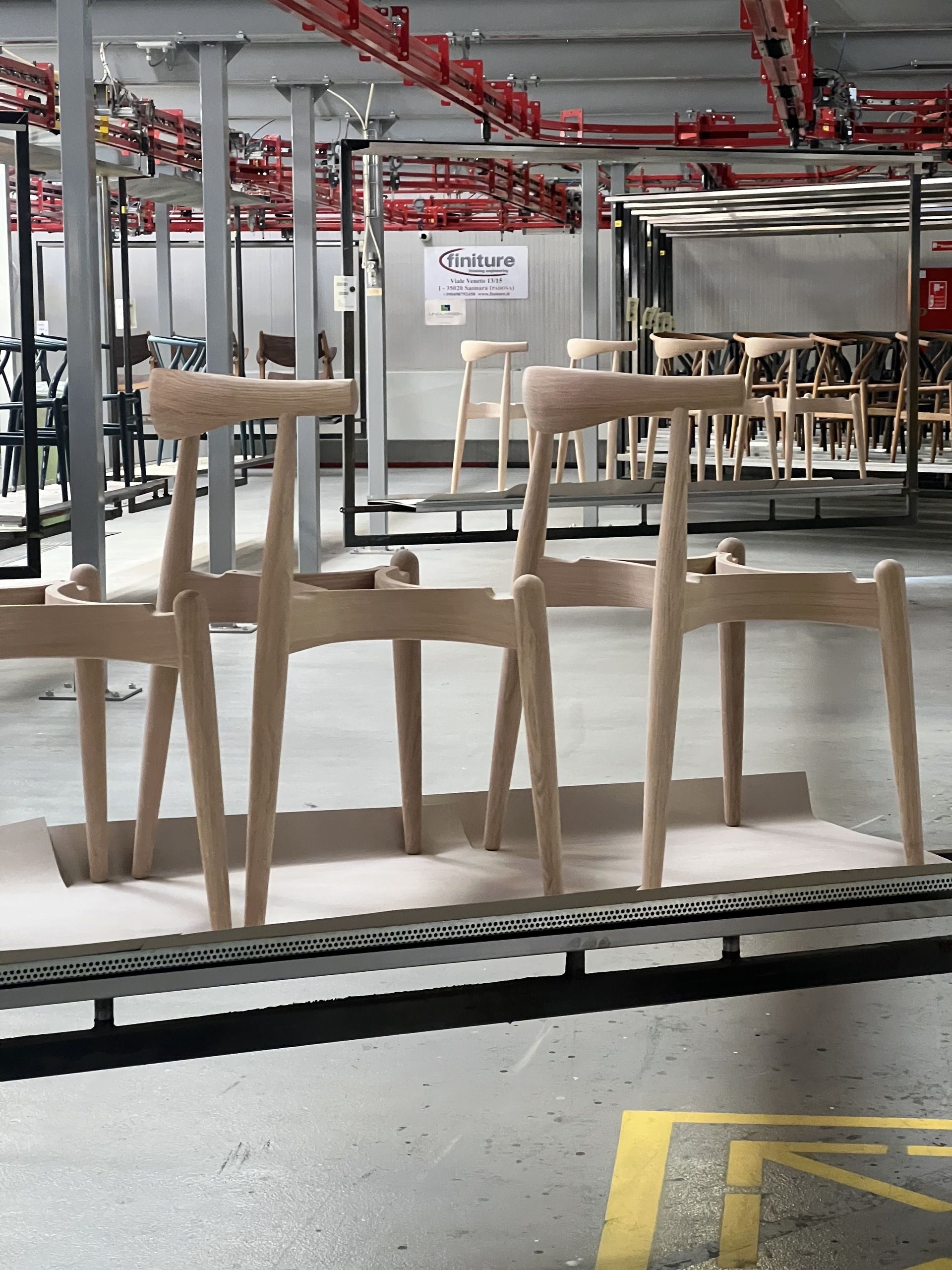
Around 100,000 Wishbone chairs are made a year.
Image credit: Future, Olivia Wolfe
Of course, wandering around a beautiful home, hearing the stories of how Knud expanded the business and acquired the design catalog they have today was inspiring; however, visiting the factory proved even more informative.
With such a powerhouse of a brand, it’s comforting to witness how dedicated the production team is, from sustaining the forests where they source their wood to intricately staining and weaving every chair. Carl Hansen is one of the only Danish furniture brands still truly made and crafted in Denmark.
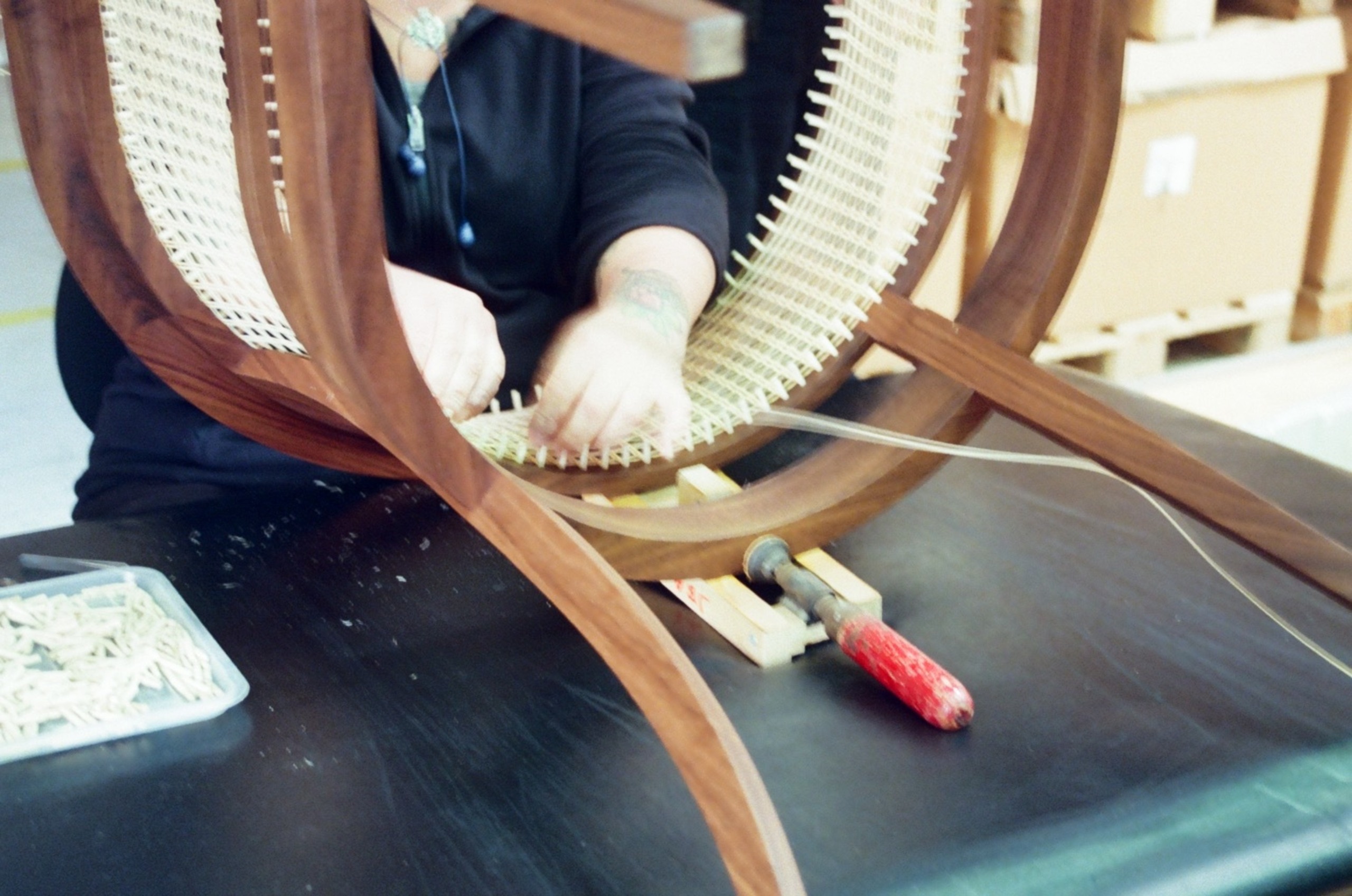
If any part of the shell chair weave has a mistake, often the whole weave has to be undone and restarted.
(Image credit: Future)
“Craftsmanship and responsibility have always gone hand in hand for us. Many of our pieces involve techniques that require highly skilled hands and significant time to perfect, and we continue to invest in training future generations of artisans to ensure that knowledge is preserved,” says Knud. At this time, the brand educates about 25 apprentices.
The team of weavers even has a mandatory hour of gym to stay in shape and an on-site masseuse to relieve fatigue. It’s a well-oiled ship. For instance, the Wishbone chair has 100 steps with 20 quality checks along the way, and anywhere from 2,000 to 5,000 are produced a week.

This is the exact forest where we saw and touched the trees that will go on to be used in the factory.
(Image credit: Future, Olivia Wolfe)
The brand also takes a long-term approach to sourcing and production, working closely with trusted local suppliers and sawmills, carefully selecting materials and striving to utilize as much of every piece of wood as possible.
Woodpieces too small for furniture production are used to produce smaller home accessories, and sawdust is even used to produce heating for the factory and homes in the local community. It’s quite an impressive use of materials. We even stopped by the woods where the trees have been growing for decades, ready to become a part of the creation process.
Ultimately, “the most sustainable materials and products are ones cherished and used for decades, which is why durability, repairability, and timeless design are fundamental to everything we make,” says Knud.
Carl Hansen & Søn is one of those companies that makes furniture you aspire to have in your home. It’s iconic furniture that stands the test of time by leading with passion, craftsmanship, and Danish design principles.
“What excites me most is continuing to connect craftsmanship, innovation, and sustainability in meaningful ways, ensuring that Carl Hansen & Søn remains as relevant to future generations as it has been for the past century,” says Knud.
For more stories and inspiration like this, be sure to subscribe to the Livingetc newsletter.