
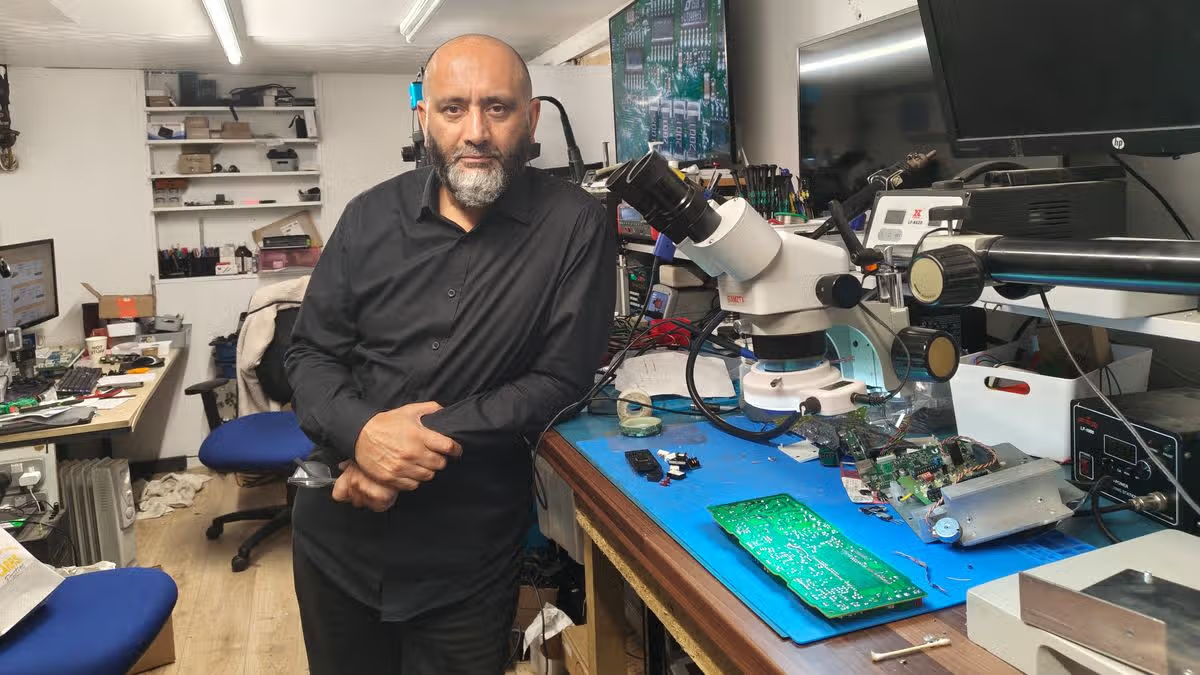
As a highly-skilled electronics engineer, Nasser Hussain was reliant on his hands. The 58-year-old, from Bolton, would spend his days repairing intricate components that were often no bigger than a grain of sand.
Then a series of health ‘episodes’ turned his life upside down. Having once been busy, independent and hands-on, Nasser can now feel completely exhausted from just a few hours of work.
“I thought I’d get through it and just go back to normal,” he said. “But things are very different now. This is my new reality.”
Click here to get the biggest stories straight to your inbox in our Daily Newsletter
Nasser initially suffered multiple transient ischaemic attacks, which are often referred to as ‘mini strokes’. He said: “I had a number of episodes before it really hit. At first, I just felt tired. I didn’t realise anything serious had happened.”
During one episode, Nasser’s sense of taste changed. “I went to a takeaway I know well and thought the food was terrible,” he said. “But it wasn’t the food that was the problem, it was me.”
Days later, the symptoms returned – but this time, they were unmistakable. Nasser said: “I felt this tingling down my face, arm, and leg. That’s when I knew something was wrong.”
‘Everything is a blur’
After multiple transient ischaemic attacks, Nasser sought help. But at a time he was hoping to get clarity from medical experts, Nasser found his experience in hospital to be confusing and distressing. “I was waiting all day, and no one really saw me,” he said. “At one point, I was told it wasn’t a stroke and sent home.”
It was only after further episodes and scans that doctors confirmed he had suffered an ischaemic stroke caused by a blood clot. And by that point, Nasser’s condition had worsened. “Everything is a blur,” he said. “Your brain just doesn’t process things the same way anymore.”
When Nasser was discharged, the reality of life after stroke hit hard. Living alone, he struggled to cope. “December was the worst time,” said Nasser. “I couldn’t cook, couldn’t clean, couldn’t even keep on top of basic things. I’d wake up, come downstairs, sit there all day and that was it. The house just slowly fell apart around me.”
Don’t let an algorithm decide what Manchester news you see – click here to add the MEN as your preferred Google source
For Nasser, the toll was both physical and emotional. Even simple tasks became overwhelming. He added: “I remember standing doing the dishes and wondering why I was so tired. Nobody had explained how extreme the fatigue would be. It was horrible. You feel like you’ve lost everything.”
As an electronics engineer, Nasser relied on precision and control. But after his stroke, those abilities were suddenly gone. Tasks he once performed effortlessly became impossible.
“I use one hand to place components and the other to solder,” he said. “I lost that ability overnight. I’d either grip things too hard or too soft, or they’d just disappear from my hand. It destroyed me mentally.”
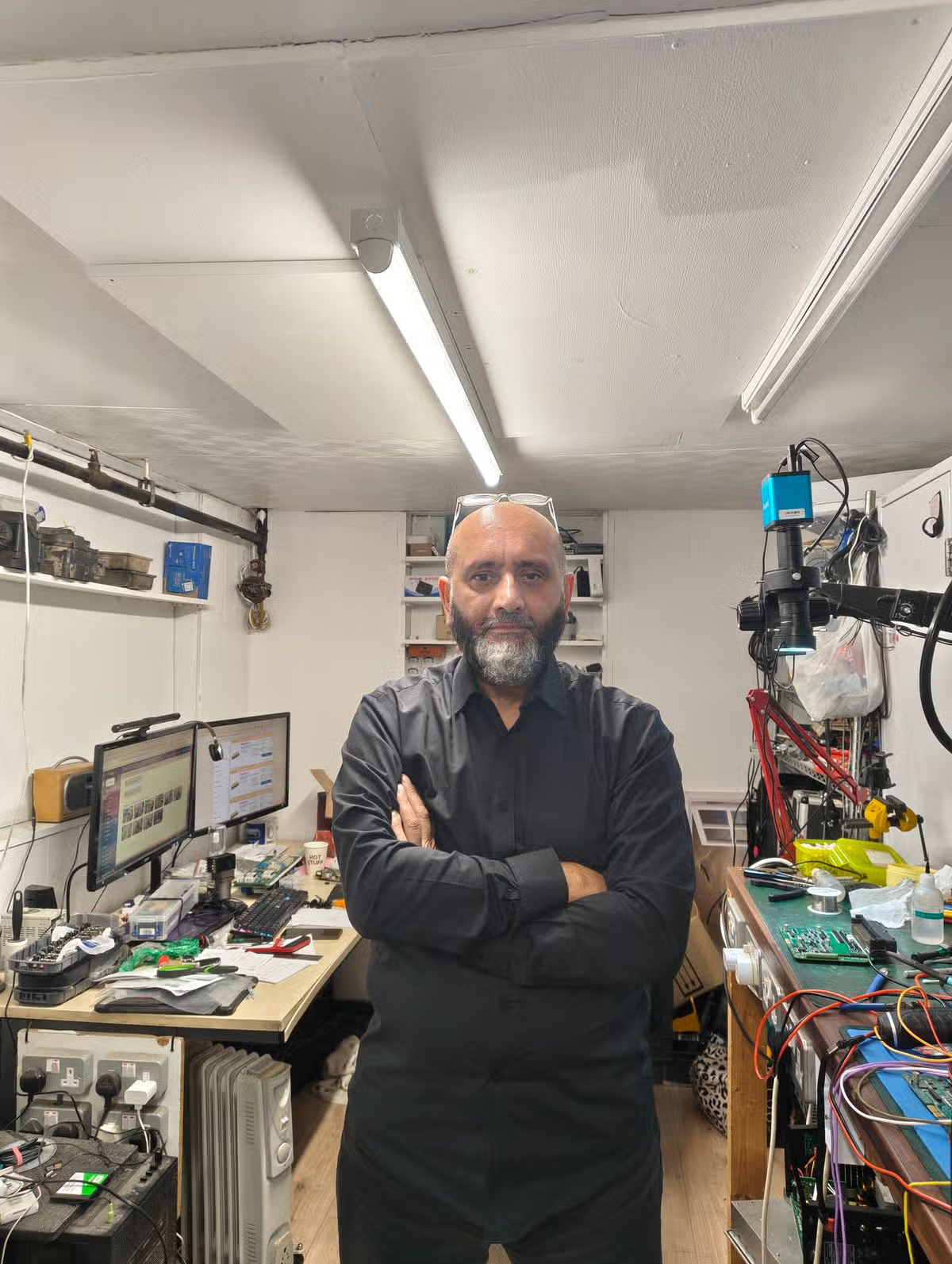
Nasser Hussain’s life turned upside down(Image: Stroke Association)
His memory and focus were also affected. “I used to take equipment apart and know exactly how to put it back together,” Nasser added. “Now I forget where things go.”
Step by step, Nasser has now begun rebuilding his life. He now works shorter days, focusing on less intricate tasks. “I can only manage about four hours,” Nasser said. “Anything more and I’m wiped out.”
He has also learned to manage his energy carefully. “The best advice I got was, listen to your body,” he added. “When you’re tired, you’ve got to stop. You don’t push through anymore.”
Everyday life has changed too, from starting to batch cook meals, to making his home safer after several falls. Nasser said: “I’ve had to slow everything down. Take my time. Plan ahead.”
‘You realise you’re not alone’
Nasser shared his story for World Stroke Day on Thursday, October 29, as part of the Stroke Association’s ‘Survival Is Not Enough’ campaign. The national campaign aims to shine a spotlight on the fragility of the brain and the life-changing impact a stroke can have on people of all ages.
Throughout his recovery, Nasser credits healthcare professionals and Stroke Association support services with helping him understand what he was experiencing. “The stroke team explained things to me very clearly, especially the fatigue,” he said. “That made a huge difference.”
He also found strength in connecting with others who had experienced stroke or brain injury. Now, he is determined to help others and volunteers his time supporting people in recovery spaces and sharing his stroke journey online.
Nasser said: “Talking to people who understand helps massively. You realise you’re not alone. You become more aware of what people are going through. If someone needs me, I’ll be there. And if I can help even one person, that’s enough for me.”
While Nasser knows life may never return to how it was before, he remains determined to move forward. His focus now is to keep active, stay independent and keep improving his condition – however long it takes
“I’m not going to let this beat me,” he said. “That’s the bottom line. I want to live a full, productive life. Even if that looks different to the one I had before.”
In the UK, someone has a stroke every five minutes, with 1.4m people currently living with a brain injury caused by stroke. More than 85,000 people survive a stroke every year – but recovery is only the beginning, and many people face a long and gruelling journey adjusting to the trauma and rebuilding their lives, often left without the essential long-term rehabilitation and support they need.
Despite one in four strokes happening to people of working age, a third of Brits aged 18-34 and almost a quarter of 35-44 year olds believe they’re too young to have one. Almost a third are unaware that it is a brain injury, nearly one in five do not realise it can cause long-term difficulties with walking, talking, seeing or swallowing, and almost a quarter underestimate the time it takes to recover.
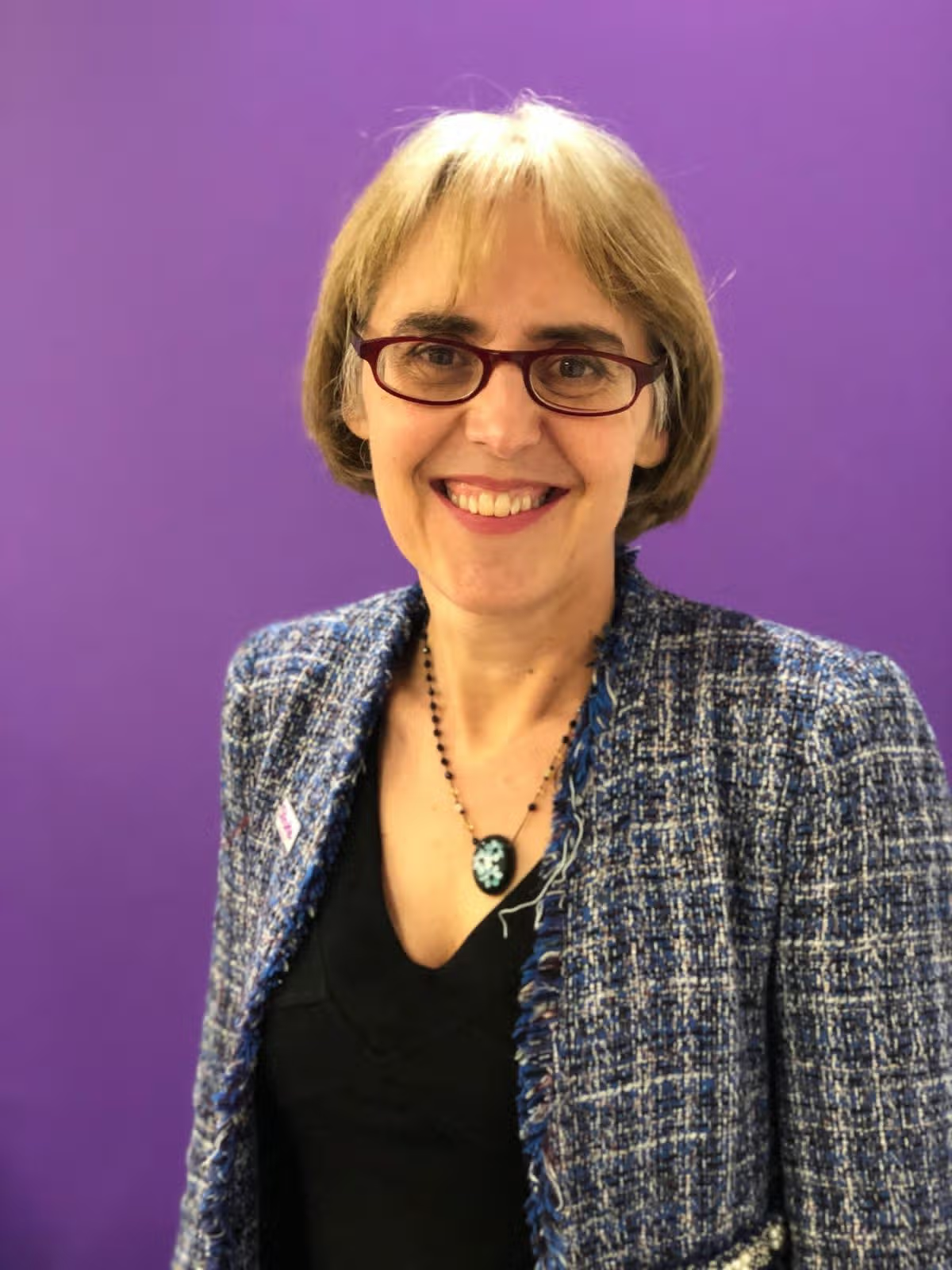
Juliet Bouverie, Stroke Association CEO(Image: submitted)
Juliet Bouverie OBE, CEO of the Stroke Association, said: “A stroke is a devastating brain injury, leaving behind life-changing trauma. In an instant, a stroke can steal away the things that many of us take for granted, such as walking, talking, eating and living independently; the things that make you, you.
“This new research shows that people still don’t understand a stroke happens in the brain and wrongly believe a stroke only affects older people. A stroke isn’t only a medical emergency from which you either die or survive, but instead the start of a long and gruelling journey to rebuilding a life.
“For so many stroke survivors, the fight doesn’t end when their lives are saved, yet every day survivors and their families are left traumatised and without the long-term rehabilitation and support they need. After everything a stroke takes, no-one should have to fight for essential support to recover and live a full life again.”
What to do if someone has a stroke
The F.A.S.T acronym (Face, Arms, Speech, Time) is a test to quickly identify the three most common signs of stroke.
Face weakness: Can the person smile? Has their mouth or eye drooped?Arm weakness: Can the person raise both arms fully and keep them there?Speech problems: Can the person speak clearly and understand what you say? Is their speech slurred?Time to call 999: if you see any one of these signs.
Anyone affected by stroke can visit the Stroke Association website stroke.org.uk or call the charity’s dedicated Stroke Support Helpline on 0303 3033 100 for information, guidance or a chat when times are tough.