
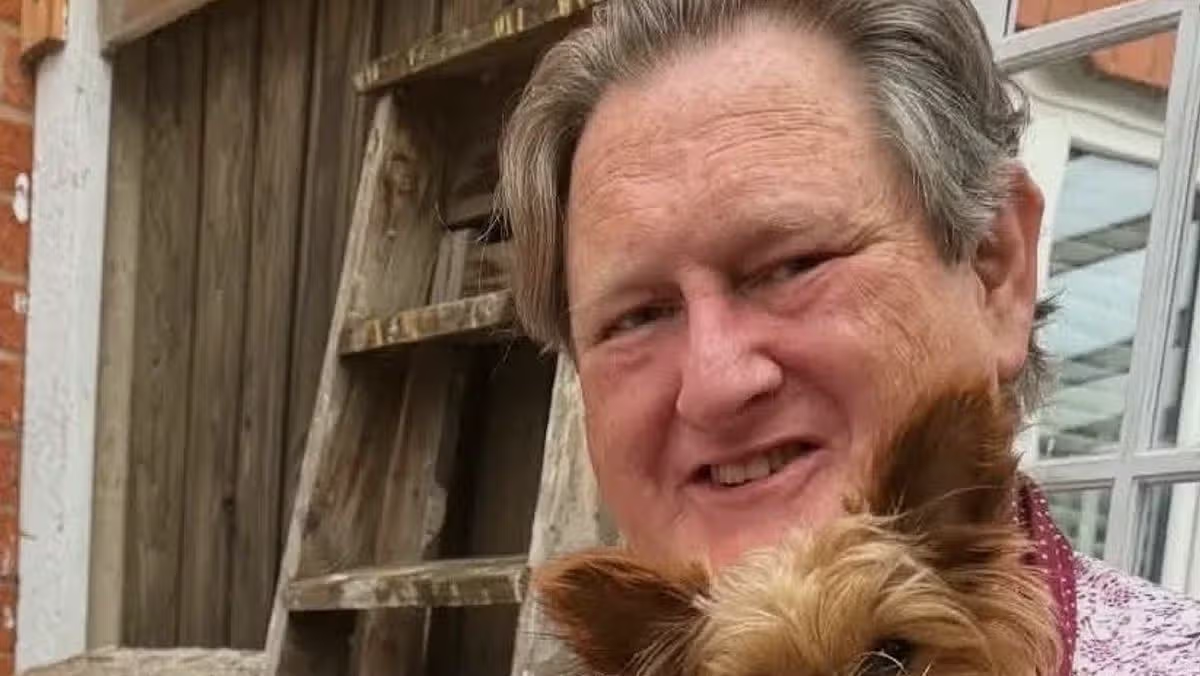
A Trafford man who was sent home from A&E with suspected sciatica before losing all feeling from the waist down just 12 hours later has spoken about how an earlier diagnosis could have changed his life.
Paul King, from Old Trafford, had been experiencing “severe back pain” for months before a scan finally revealed he had cancer on his spine and lungs.
Devastatingly, he was given less than a year to live. The cancer had spread from his prostate to other parts of his body and pressing on his spinal cord, causing him to lose all feeling below his waist.
Click here to get the biggest stories straight to your inbox in our Daily Newsletter
But more than three years on, the 56-year-old is living with stage four cancer that is being managed with treatment. Paul believes earlier access to diagnostic scanning could have made a huge difference to his outcome.
He is sharing his experience as the Manchester Evening News joins forces with The Christie Charity to launch a £42.5m appeal to build a new cancer scanning centre at the Manchester cancer hospital.
DONATE TO THE FUNDRAISER BY THE CHRISTIE CHARITY AND MANCHESTER EVENING NEWS HERE
Paul’s symptoms began in 2022, when he started experiencing “extreme and odd” episodes of back pain. At times, he could walk for a couple of days before becoming unable to walk for several more.
Despite being prescribed strong painkillers, he struggled to get answers about what was causing the pain.
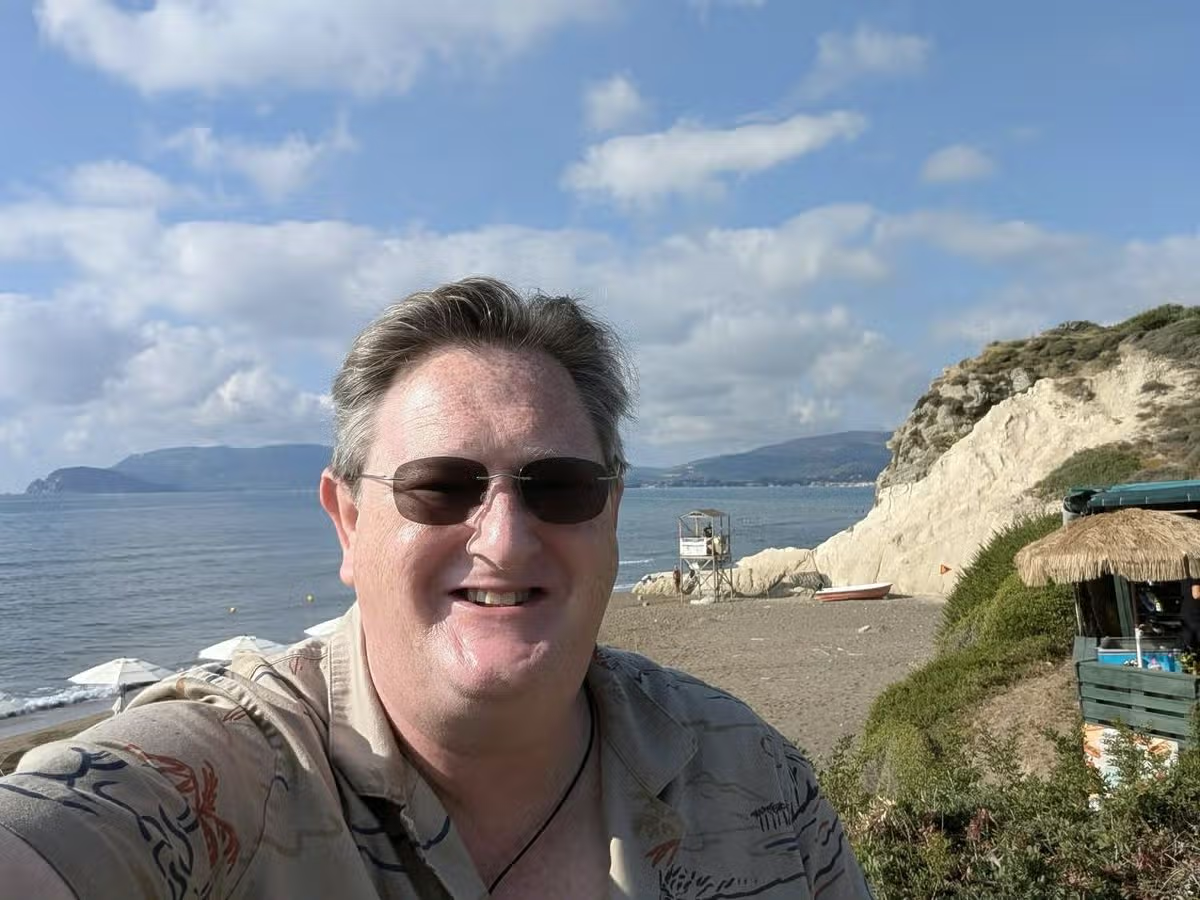
Paul King, 56(Image: Supplied)
Paul said: “It literally just got worse, worse, and worse. I was chasing my doctors for a diagnosis and getting absolutely nowhere.”
By July 2023, the pain had become unbearable and his left leg was no longer working properly. He visited A&E, but was eventually sent home with doctors suspecting sciatica – a diagnosis he did not believe explained his symptoms.
Within 12 hours, he had lost all feeling and control from the waist down.
Paul said: “I’d been scared and frightened for quite a long time before that, because of the pain.
“I knew that something was very seriously wrong. I was getting nowhere with the doctors.
“I went home that day from A&E and I knew that if I went to bed I wouldn’t possibly get up again. I went to bed with a bucket and a bar of chocolate, cheese sandwich and a bottle of water.”
When he later tried to stand, he fell to the floor and lost consciousness. He was taken by ambulance to another hospital, where doctors carried out an MRI scan.
Paul said: “I came out of that scanner and told straight away it was cancer. Not fully told where all the cancer was, but that was the diagnosis straight away.”
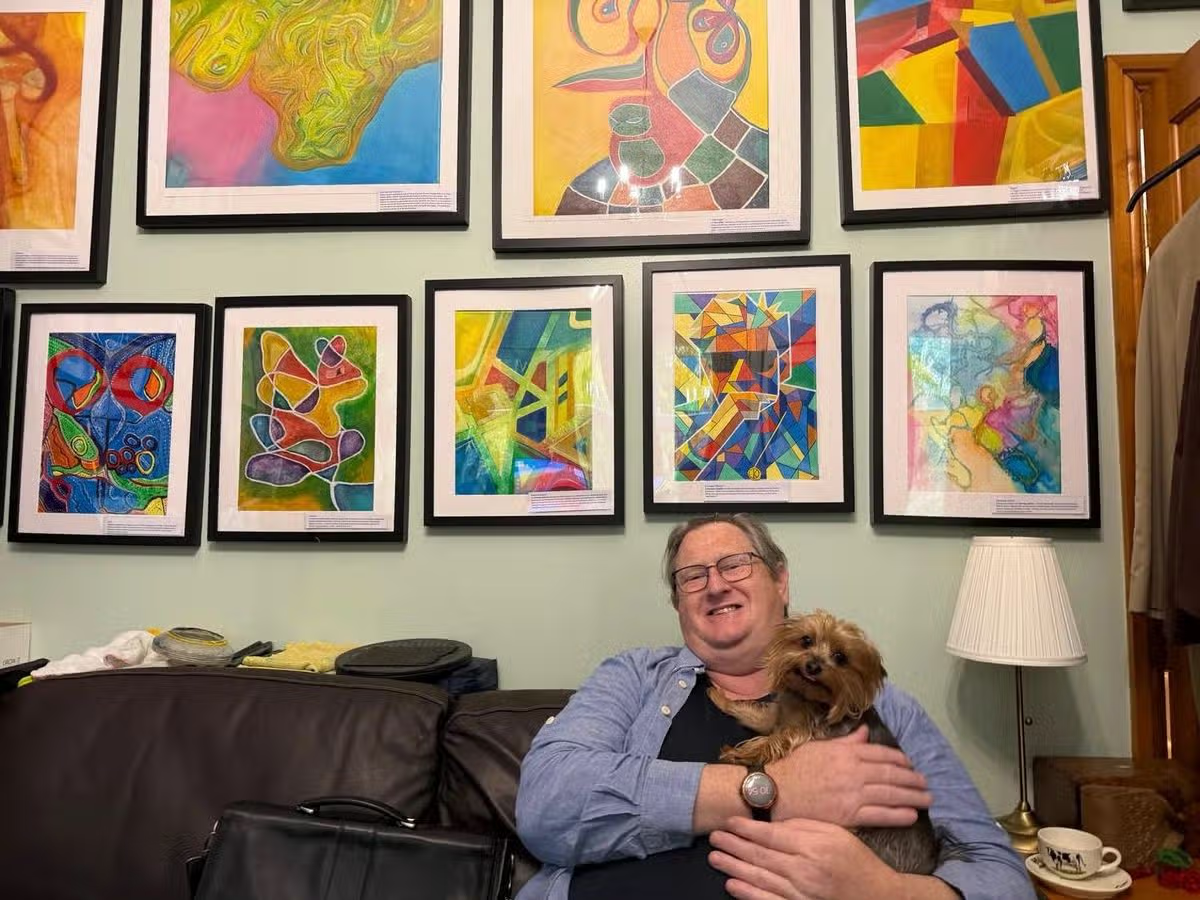
Paul has found an unexpected love of art since his diagnosis(Image: Supplied)
The tumour on his spine was pressing on his spinal cord, explaining the sudden loss of sensation and movement. He said the diagnosis left him “really annoyed” that his symptoms had not been investigated sooner.
“If they put me in a scanner earlier, there may have been much better outcomes than there was,” he said.
Paul was told he needed urgent surgery to decompress his spine. He said he was warned there was a 50 per cent chance of surviving the operation and that he might never walk again.
“It was pretty life-changing – and pretty devastating. If I hadn’t gone in that scan at that time, I would be dead,” he added.
During the operation, his back was stabilised with titanium and pins, and he began the difficult process of learning to walk again. Some feeling returned to his right leg, but he continues to experience reduced sensation in his left leg, as well as lasting nerve damage and pain.
Further scans revealed the extent of the cancer, which had spread from his prostate to his spine, both lungs and adrenal glands, as well as an area of concern on the liver.
Paul said he had not experienced the typical “red flag” signs associated with prostate cancer, but believes a blood test and earlier investigation of his symptoms might have helped to spot the disease sooner.
He was then seen by experts at The Christie and given radiotherapy to treat the tumours affecting his spine, followed by chemotherapy. The aim was to control the cancer and improve his mobility.
He said: “I was given quite a short prognosis. Initially I was I told I had less than a year to live, then it became one-to-two years to live, then it became one-to-three years to live if I take all the drugs they can throw at me.
“I’m proud to say I’m just over that three years. That’s thanks to research because I’m on drugs that aren’t quite NICE approved yet.”
“Thanks to Christie and the very dedicated teams there, I’m still alive,” he added.
Paul is also living with significant side effects of his medication, including fatigue, hot flushes, bone pain and reduced mobility, as well as the lasting effects of the spinal cord compression.
He believes the ability to access scans quickly is crucial, both to diagnosing cancer and to helping patients receive appropriate treatment.
“If I personally had been scanned earlier, they might have been able to act quicker,” he said. “I may not have lost feeling from the waist down. I may not be as bad as I am now.
“The sooner people can get scanned, the sooner they can get treated.”
Paul’s experience has also changed his life in ways beyond his health. He has found an unexpected love of painting through the art room at The Christie.
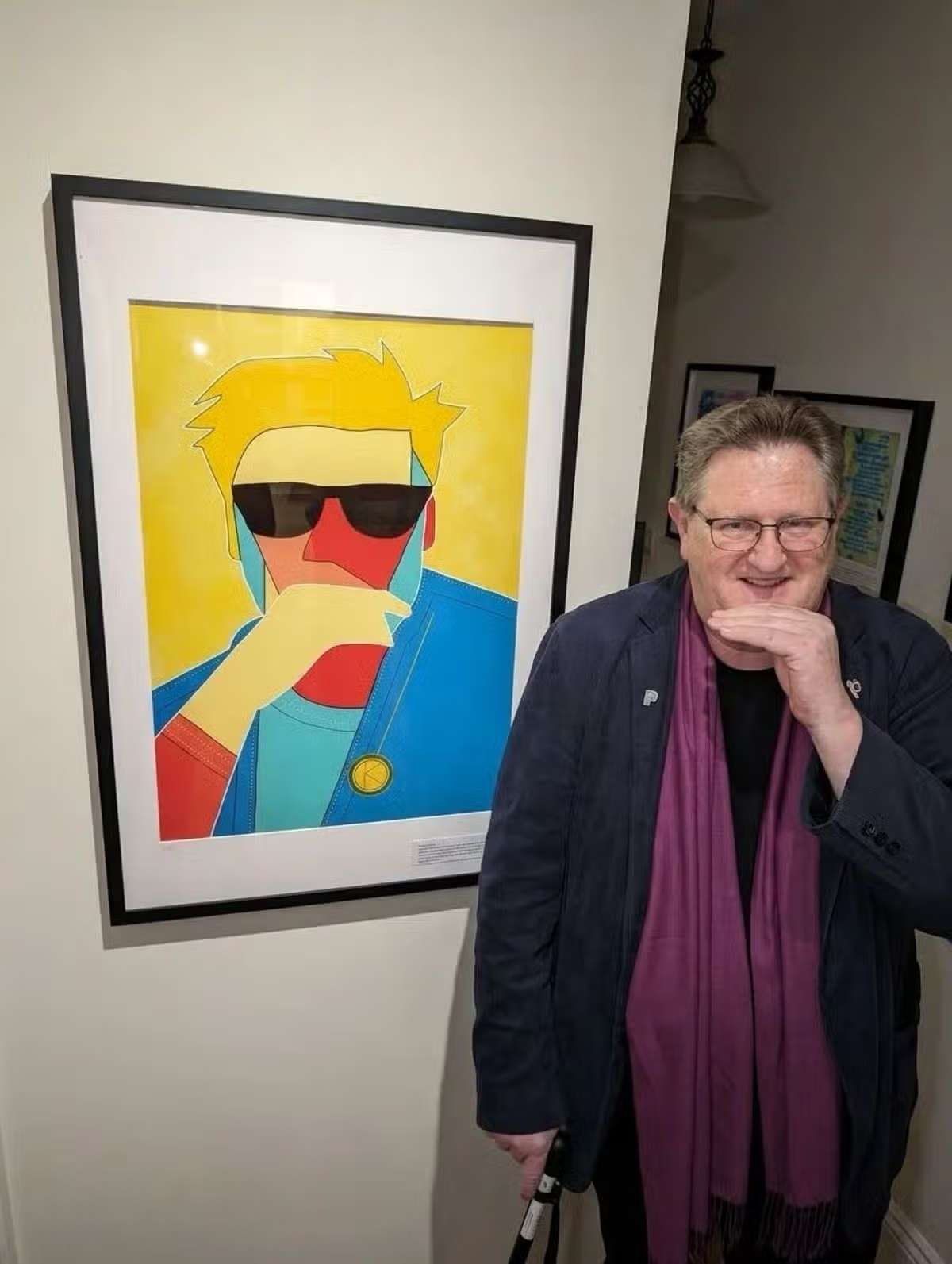
Paul has showcased his art at a number of exhibitions(Image: Supplied)
Paul said: “It was like a whole new outlet for me. It just took my mind off everything else that was going on.
“It was a chance to sit and create, and to create in different ways, and feel very supported by the group of people in there.
“The Christie Charity supported me enormously in trying to encourage me with the art and getting going.”
The art room has also given him the chance to connect with other patients facing similar fears about their treatment and scan results.
Paul has since set up a studio at home and continues to paint and has gone on to showcase his work as part of a number of exhibitions.
While Paul’s cancer is now primarily monitored through blood tests, he knows all too well the importance of scanning in cancer diagnosis and treatment.
Now, The Christie Charity has launched a £42.5m appeal to create a new scanning centre for patients like Paul at the Manchester cancer hospital. The charity says the centre will increase scanning capacity and provide a better environment for patients, while supporting more precise diagnosis and treatment.
Paul said: “Anything that can make life easier for people who’ve got an illness that they’ve been told might kill them.
“The easier it is for them and the quicker it is to take their mind off that worry, to be able to get on with their lives, to be able to try and carry on, makes a difference.”
“This service is going to save lives, not one or two lives, but many lives,” he said of the new scanning centre, due to be ready in 2030. “It’s also going to save some of the anxiety that patients get. It’s going to help patients get more appropriate treatment quickly.
“It’s going to help families, it’s going to help the individuals, and it’s going to really put Manchester on the map as a world-class centre for cancer care.”
Help The Christie build a revolutionary scanning centre
The Manchester Evening News is backing a bid to raise £42.5m to build a revolutionary new cancer scanning centre at The Christie.
We are calling on people across Greater Manchester and beyond to help fund the new centre at the world-renowned hospital TO dramatically increase the number of patients that can be scanned and provide access to some of the most advanced imaging technology available.
The appeal by the hospital’s own charity comes after demand for scanning soared. Existing facilities were built in 1980 to treat around 20 patients a day – but it now supports more than 60.
To support the appeal, visit the Manchester Evening News and The Christie Charity’s GoFundMe fundraiser here.