
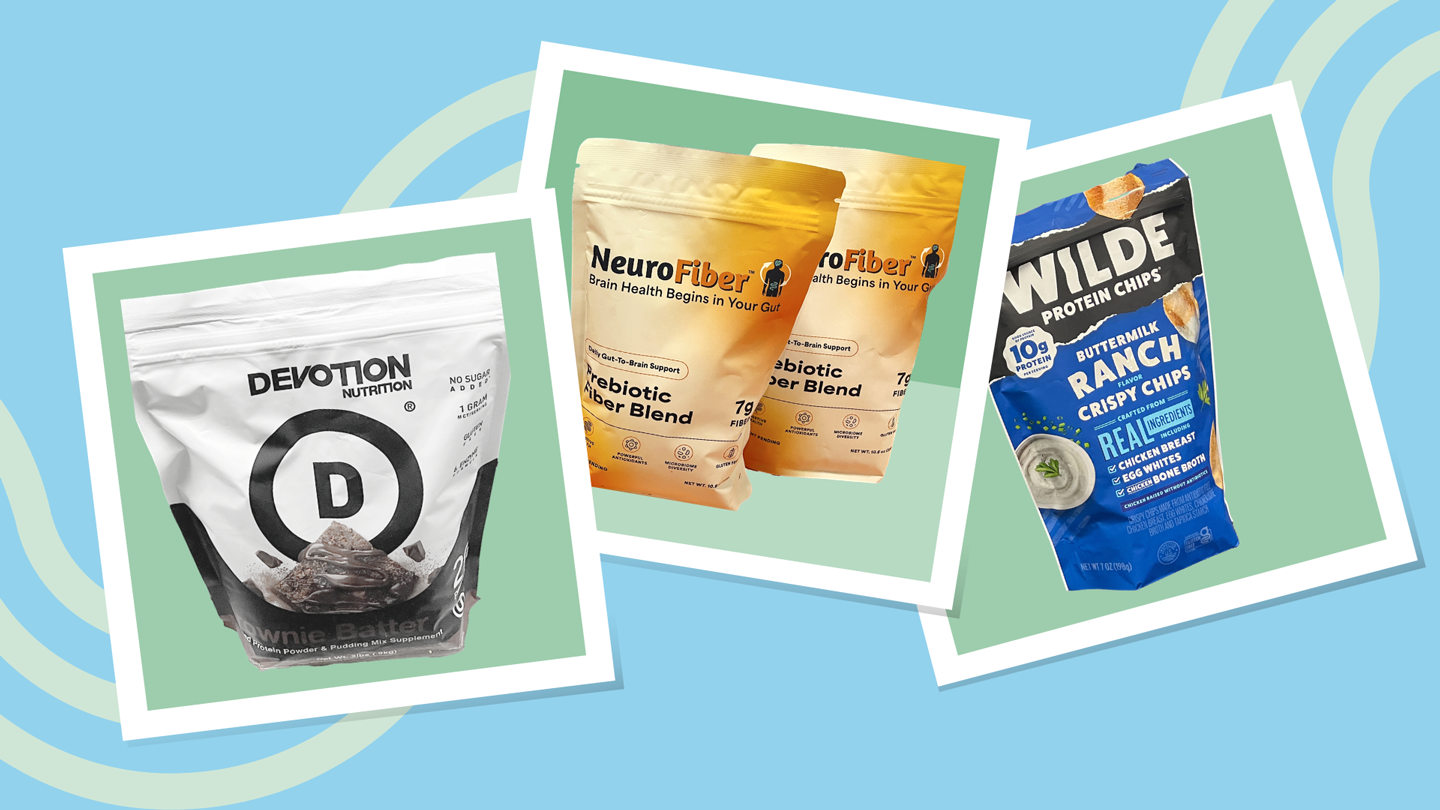
One of the most noticeable trends is the number of products that contain protein, fiber, or electrolytes, all things important to help GLP-1 users get important nutrients and stay hydrated.
[1]
While a majority of the products at the conference weren’t specifically labeled for GLP-1 users and could be used by anyone, experts highlighted that patients taking these medications should be proactive in filling nutritional gaps.
Why Companies Are Focusing on Functional NutritionAccording to Karen E. Todd, RD, a certified strength and nutrition specialist and member of Everyday Health’s Expert Network, GLP-1 users need enough protein to support muscle retention and fiber for the reduced amount of food and slower digestion. She also says electrolytes are helpful for hydration if common symptoms like vomiting or diarrhea cause fluid loss. Be sure to also contact your doctor if you’re experiencing severe symptoms.
[1]
Jen Bruning, RDN, LDN, a national media spokesperson for the Academy of Nutrition and Dietetics, adds, “If you’re on a GLP-1 and not feeling as hungry, you need to make sure you’re getting enough of all of those different nutrients.”
She also says companies are aware of the nutrition gap some consumers face and are considering how best to support those who may be on a GLP-1.
Many of the brands that attended the conference showcased protein-forward products, including powders, bars, drinks, and snack foods like pretzels and crackers. Fiber also came in bars, powders, and liquid forms. Electrolytes came in powder form or as additives to mix with water, or as ready-made drinks. Many of these products are already available for retail sale at major grocery stores across the country, and aren’t limited to GLP-1 users.
Are Wellness Powders and Snacks Safe?
While most of the brands’ promoted products are marketed as suitable for anyone to use, Monique Richard, RDN, LDN, an integrative and functional dietitian nutritionist and member of Everyday Health’s Expert Network, says she saw one supplement company promoting a line designed specifically for those on GLP-1s.
While she sees value in some of the innovative ways nutrients are being added to products, Richard says that nutrition should still come from whole-food sources, not just snacks and supplements. “A quality product with specific components may be key to optimizing what an individual is consuming, as necessary, but is not a permanent solution, or substitution, to a high-quality, varied, and balanced dietary pattern.”