
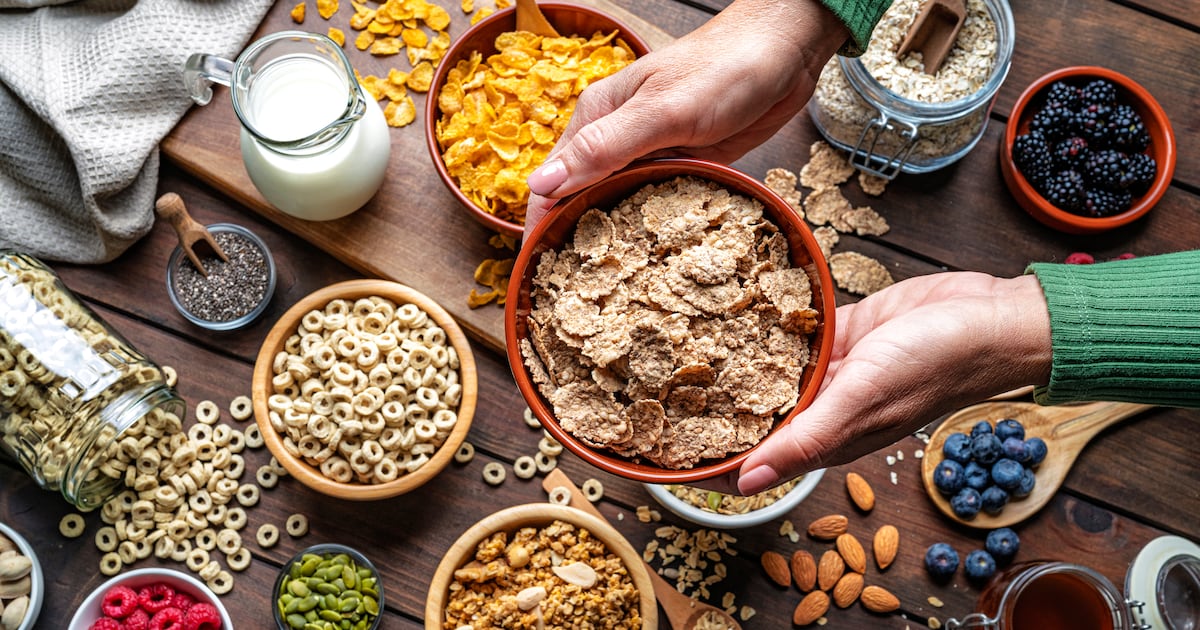
With so much attention on protein lately, you’d be forgiven for forgetting about fibre.
Some recent Irish dietary surveys show that the average fibre intake in Ireland is just 18g per day, while guidelines recommend that adults aim for 25-35 grammes of fibre per day.
Closing that gap may be one of the best strategies for improving your health. Fibre nourishes gut microbes, lowers blood pressure and cholesterol, improves digestion and reduces the risks of heart disease, Type 2 diabetes and certain cancers.
It can seem like a big challenge to eat enough fibre, but nutrition experts say it doesn’t have to be. You just have to know where to look.
BreakfastNot all fruit is created equal
The first meal of the day is an excellent area to focus on when boosting your fibre consumption, said Dalia Perelman, a research dietitian at Stanford University. Popular breakfast foods such as eggs, bacon, white toast and many muffins, bagels and pastries have little to no fibre. Even some fruits, such as melon and grapes, are surprisingly low in the nutrient.
Easy changes for a good start
Small tweaks, such as scrambling eggs with a half-cup of beans and a handful of vegetables such as spinach and bell peppers, can turn your breakfast into a fibre-rich meal. Or kick off your morning with overnight oats (or yoghurt) boosted with berries, nuts and seeds. If you’re craving toast, go for a wholewheat version with smashed avocado.
Instead of orange juice – which has little fibre – have an orange instead. And if you’re short on time, you can always make a smoothie with fruit, chia seeds and nut butter.
LunchThere’s no fibre hero in that sub
Fibre slows digestion and bulks up your meals, so eating a fibre-rich lunch will help keep you satisfied through the afternoon. Many popular lunch options such as cold cut sandwiches on white bread and even certain green salads provide little fibre. Lettuce, tomatoes and cucumbers, for instance, are low in the nutrient; meat and cheese have none.
Think more colourful sandwich spreads
To build a better sandwich, opt for wholegrain bread instead of white bread and use smart swaps, such as avocado or hummus instead of mayonnaise. Increase the fibre in salads by incorporating artichoke hearts, seeds, whole grains (such as quinoa, farro or bulgur) and legumes (such as chickpeas, lentils or beans).
If you’re in the mood for something warm, a burrito with beans and guacamole on a whole wheat tortilla is a good option. Or opt for lentil, bean or pea soup, or dal over brown rice. Add a piece of fruit such as a pear or nectarine to get a few more grammes.
Let’s not forget the snacks
Most processed snacks such as crisps, cookies and sweets fall short in fibre. Some easy winners include popcorn, nuts, roasted chickpeas, raw vegetables with hummus and fruits such as apples, figs and apricots.
For a sweet treat, try chia seed pudding with passion fruit, pomegranate seeds or kiwi on top.
DinnerWhite rice needs help
If you skimped on fibre earlier in the day, there are plenty of ways to make up the difference at dinner. Meals that centre meat and refined grains, such as white rice or regular pasta, don’t offer much fibre.
Lay down some greens next to that steak
To include more, add legumes such as peas or white beans, which have 3g-5g of fibre per half cup. And replace pasta made from white flour with a high-fibre version such as a wholewheat, chickpea or lentil option. If you love white rice, try mixing it with lentils. And pair a main protein source with high-fibre vegetables such as Brussels sprouts, broccoli or parsnips.
Grain bowls are excellent vehicles for fibre heavy-hitters such as quinoa, edamame, sweet potatoes (with their skin) and tempeh.
More tips and added benefitsWhen increasing your fibre consumption, it’s best to do it slowly and drink plenty of water, said Dr Wendi LeBrett, a gastroenterologist. Those strategies can reduce your chances of having unpleasant symptoms such as bloating and gas, she said.Try adding 5g of fibre to your daily total every day for a week, then bump it up by another 5g per day for the next week and so on until you hit at least 21g-38g per day, Perelman suggested.All fibre-rich foods come from plants, which typically offer health benefits in addition to the fibre, said Anissa Armet, a nutrition researcher at the University of Alberta in Canada. Nuts, seeds and avocados, for instance, contain heart-healthy fats. And legumes supply iron, magnesium, potassium, B vitamins and antioxidants and anti-inflammatory molecules.You might notice that there were no fibre supplements among these meals and snacks. That’s because experts generally recommend getting fibre from whole foods. That said, if you’re still struggling to reach your goal, it’s okay to add a supplement such as psyllium husk, LeBrett said. – This article originally appeared in The New York Times