
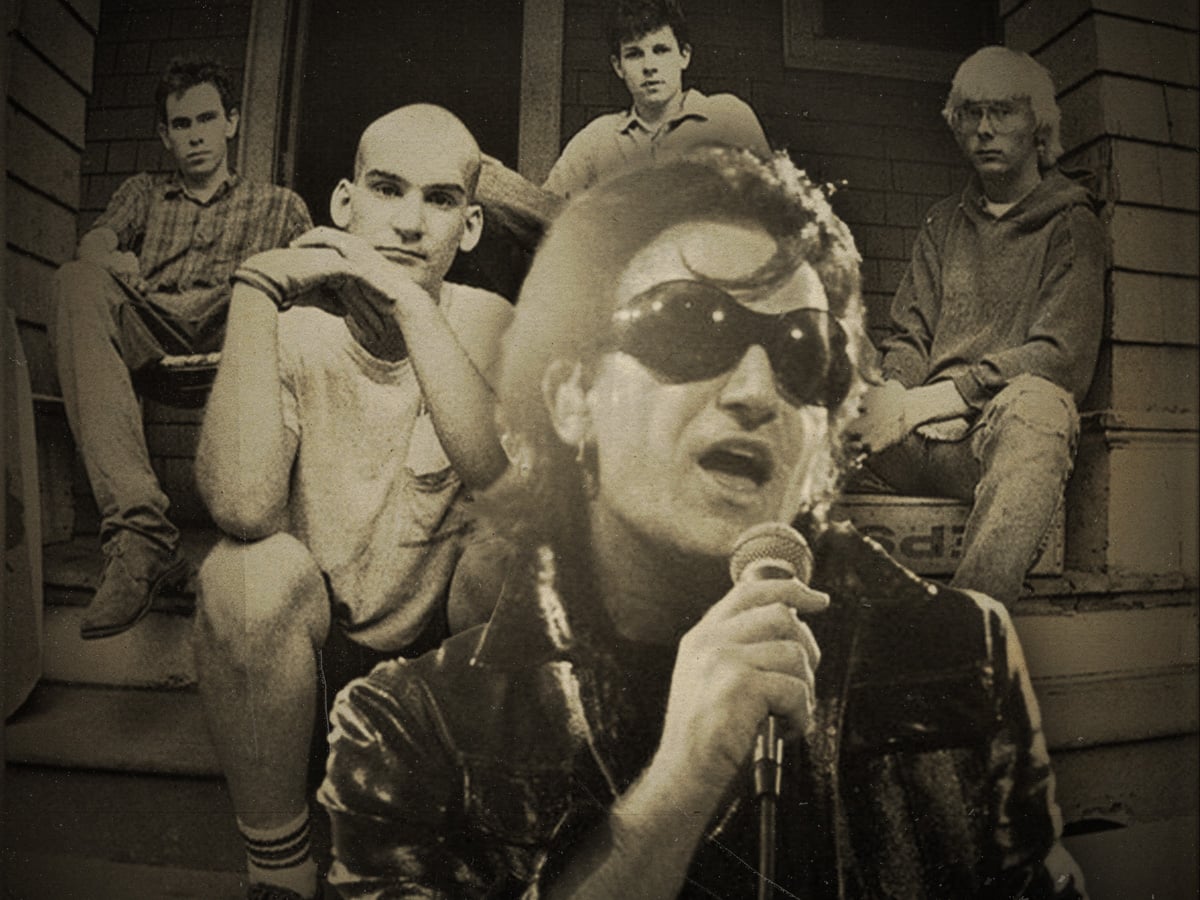
Credit: Far Out / Album Cover / Steve Kalinsky
November 4th, 2026 · 10:00pm GMT
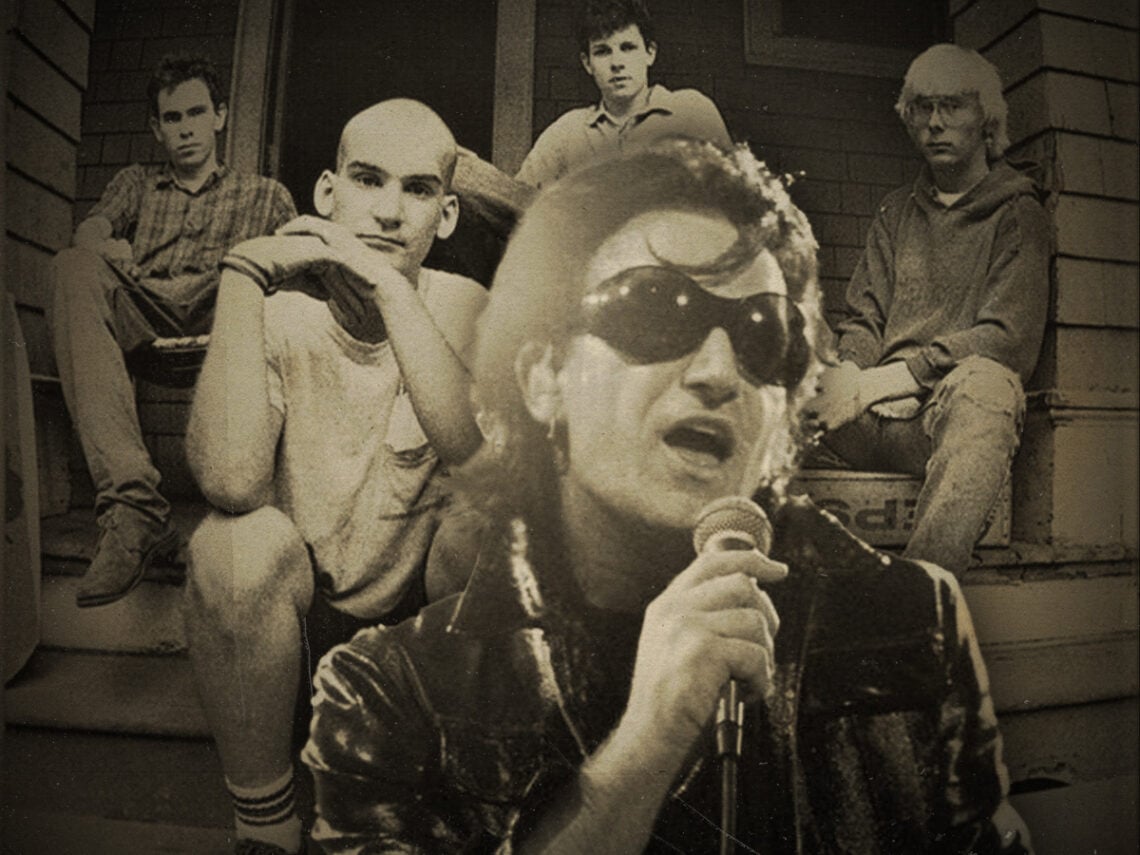
It’s hard to believe, but U2’s earnest post-punk optimism managed to find its way into the strict, DIY fold of DC hardcore legends Minor Threat.
Ireland’s biggest musical export started life just as enamoured of punk as anyone else in their generation. As their resurfaced RTÉ TV spots from 1978 attest, U2 were shaped by the day’s power pop and bursting with a wide-eyed gusto. Even as a teenager, Bono’s impassioned shift from rock singer to spiritual preacher was already taking shape.
But new wave they were. Way back before Brian Eno and Daniel Lanois added their sonic flair to guitarist The Edge’s chiming delay, U2 were peers with The Cure, Siouxsie and the Banshees, and Joy Division. U2 shared none of their peers’ staunch punk pedigree or dour gloom offerings but belonged just as firmly to the influx of young, belligerent bands eager to pull the rug out from under classic rock’s bloated spectacle as it curdled into self-parody across the 1970s.
While post-punk was picking a fight with the prog wizards across the Atlantic, over in the States, an incipient hardcore scene in America’s capital was likewise declaring war on the yacht rock and jam bands clogging up FM radio.
DC underground pillar Ian MacKaye and high-school pal Jeff Nelson formed The Teen Idles and later the famous Dischord Records label dedicated to issuing the city’s local hardcore releases. Recruiting Lyle Preslar on guitar and bassist Brian Baker after Teen Idles folded, Minor Threat were kicked off in 1980, debuting that December with a Bad Brains support slot and cementing the straight-edge ethos the scene would be forever identified with.
From two very different corners of the broad new wave, both camps would rise and rise. By 1983, U2 were three albums in, honing their communal rock act with sharper political teeth and an expanded scope of songcraft hinting towards the widescreen arena anthems that were to come following War, while Minor Threat were forging their enduring presence in the DC hardcore community with their string of landmark EPs and business dealings firmly removed from the music industry’s corporate bigwigs.
Yet the two worlds would collide. Tensions had already been simmering among Minor Threat, reportedly with all members arguing more than actually rehearsing during their practice sessions. The final nail in the coffin arrived in the form of U2’s 1980 debut Boy, when Preslar and Baker were enamoured with the Irish band’s more melodic approach and pushed MacKaye to consider such a new terrain for Minor Threat to explore. For the frontman, such a suggestion was the last straw.
Further reading: From The Vault
“Did we all want to develop Minor Threat’s sound to be more melodic, but Ian MacKaye didn’t? Yes, Ian was right, and we were wrong,” Baker told Classic Rock in 2017. “What Ian was doing was not just a band; Ian was building a community. He was so far ahead of his time and was thinking about the idea of Dischord and several bands and having this kind of reciprocating relationship with other artists.”
He added, “He was so big-picture. But I was like: ‘I want to play bigger shows, I want to tour more. Minor Threat is a great little punk band, but have you heard the Boy album…?’ I was dumb! And he wasn’t. So, Minor Threat fortunately stopped exactly when it did.”
Playing their final show in September 1983, MacKaye would walk away from Minor Threat to pursue Embrace and later the long-running post-hardcore Fugazi project, while Baker would immerse himself in greater melodic reach on his band, Dag Nasty. Supposedly, Baker’s interest in U2 would stop at The Unforgettable Fire the next year, but not without Preslar and Baker forming the short-lived band The 400, with members of Deadline and Negative Approach, in an effort to bring hardcore and the U2 sound a little closer together.
ADD AS A PREFERRED SOURCE ON GOOGLE  The Far Out Punk Newsletter
All the latest Punk content from the independent voice of culture.
Straight to your inbox.