
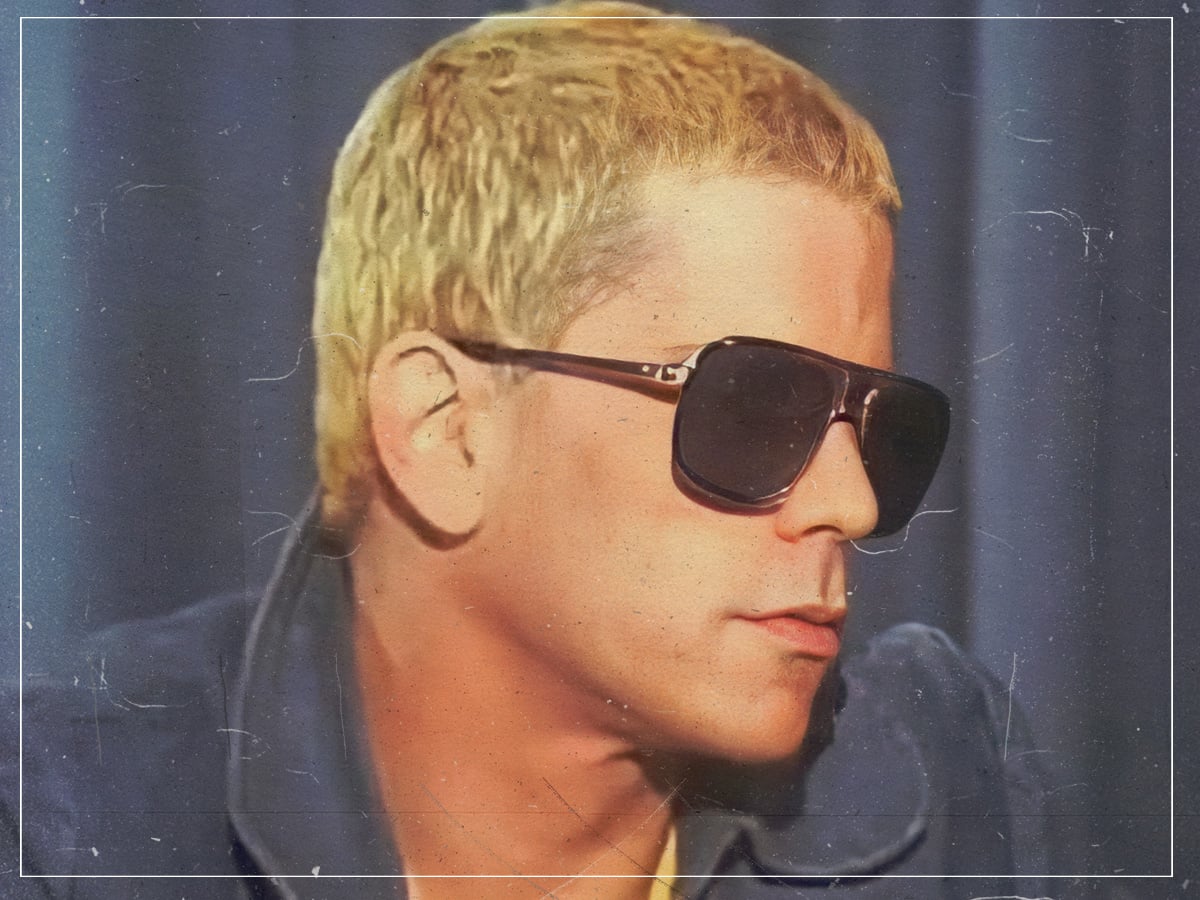
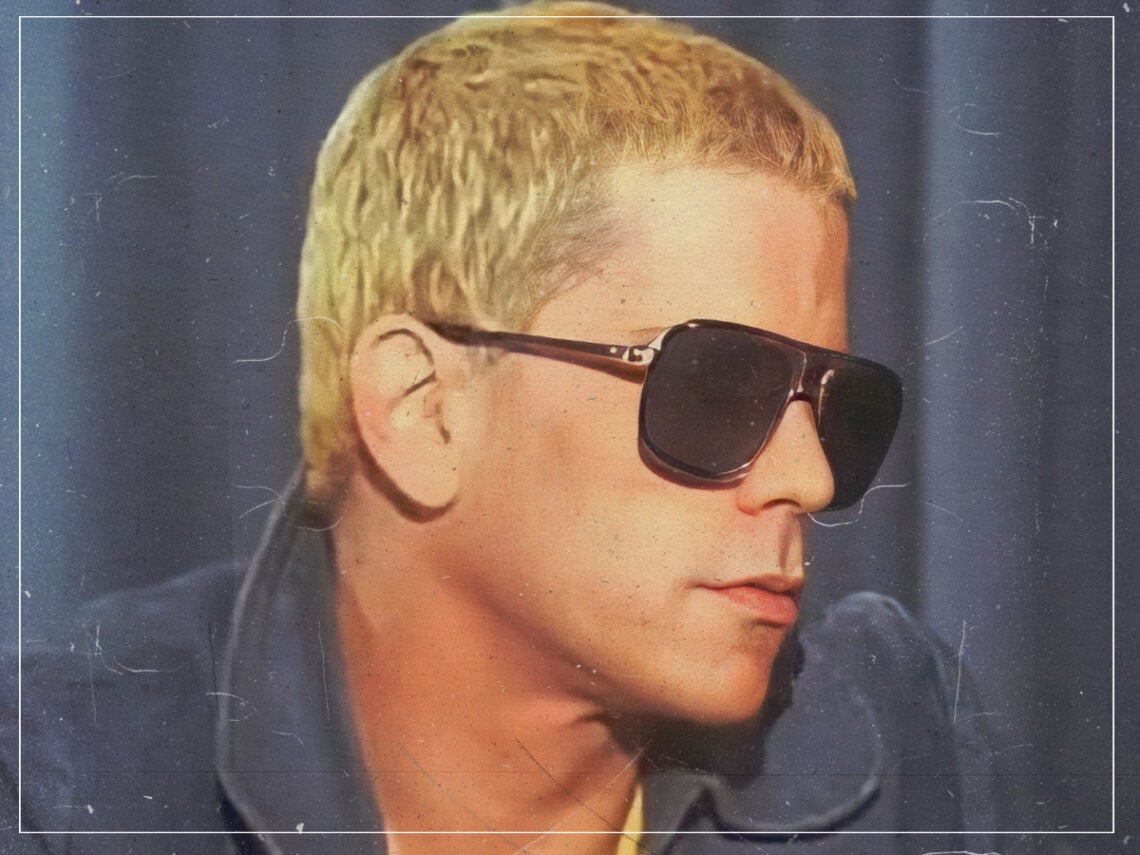
Credit: Far Out / YouTube Still
November 5th, 2026 · 8:45pm GMT
“Doctor Gordon was fitting two metal plates on either side of my head,” Sylvia Plath wrote in her semi-autobiographical novel The Bell Jar, published three weeks before her death, at just 30, in 1963.
“He buckled them into place with a strap that dented my forehead, and gave me a wire to bite. I shut my eyes. There was a brief silence, like an indrawn breath. Then something bent down and took hold of me and shook me like the end of the world.”
Almost a decade later, somewhere around the time of The Velvet Underground’s demise, Lou Reed mentioned in an interview that he was a fan of Plath’s poetry, and had recently read some of her prose, specifically “a scary novel called The Bell Jar”, which hadn’t been published in the US until 1971.
To be fair, thousands of people who read this book about a teenager’s struggles with clinical depression, and the techniques employed to try and “cure” her, would probably call it scary, as well. In Reed’s case, though, the topic was much more personal and uniquely aligned with many of his own experiences as a teen in Long Island, New York. Because he was, to put it lightly, not always the easiest cat to interview, very few journalists dared to tread too close to the bone when it came to personal questions about details from his youth.
On occasion, though, he did discuss the difficulties he faced growing up in the late 1950s, including a difficult relationship with his father, depression, and confusion over his own sexuality. Reed also acknowledged that, when he was 17, his parents sent him to get electroshock therapy, supposedly as a means of dealing with the latter two issues.
Electroshock, or Electroconvulsive therapy (ECT), has always been controversial, and while the methods around the treatment dramatically evolved after the ‘50s, when Reed and Plath went through it, its effects are still debated. Lou Reed’s memories of his experience, which were published in the 1996 oral history of punk Please Kill Me, sound just as scary as those described in The Bell Jar.
“They put the thing down your throat so you don’t swallow your tongue, and they put electrodes on your head,” he said. “That’s what was recommended in Rockland County then to discourage homosexual feelings. The effect is that you lose your memory and become a vegetable. I wrote ‘Kill Your Sons’ on [the 1974 solo LP] Sally Can’t Dance about that.”
 Credit: Far Out / Arista Records / Mick Rock
According to Peter Doggett’s biography Lou Reed: Growing Up In Public, the musician wrote ‘Kill Your Sons’ in the early 1960s, even before The Velvet Underground had formed, but he didn’t come around to putting the song on tape until a decade later, when he was starting to become more comfortable in his own skin. The lyrics of the song are brutal and not particularly veiled, leading many fans to wonder if Reed’s descriptions of electroshock therapy, like those of Plath, were based on personal experience.
“One, two, three, four / All your two-bit psychiatrists / Are giving you electric shock / They said they’d let you live at home with mom and dad / Instead of mental hospitals / Every time you tried to read a book / You couldn’t get to page 17 / ‘Cause you couldn’t read, you couldn’t even read”: The narrative behind Reed’s electroshock treatments, which was perpetuated in many biographies over the decades, was that his parents had pushed for the treatments primarily over concerns about his sexuality, hoping to ‘set him straight’, in essence.
After Reed’s death in 2013, however, his sister Merrill Reed Weiner, a professional psychotherapist, published an essay on Medium, in which she offered her own memories of her brother’s treatment, and what had motivated her parents to try it. “Panic attacks and social phobias beset him,” she wrote. “He possessed a fragile temperament… Families at a loss for how to deal with their loved ones’ genetically based mental illness were treated as perpetrators by the psychiatric establishment. They were blamed for poor parenting, left feeling hopeless and guilty.”
Weiner claimed that, after he suffered a nervous breakdown, medical professionals essentially shamed his parents and recommended ECT as a means of undoing damage caused by behaviours of the past, such as failing to pick up Lou enough when he was still a baby. “Each of us suffered the loss of our dear sweet Lou in our own private hell, unhelped and undercut by the medical profession,“ Weiner wrote.
Importantly, she rather aggressively denied the notion that her brother had undergone ECT to treat homosexuality. “My parents were many things, but homophobic they were not,” she said. Unfortunately, neither Lou Reed nor his parents were around at that point to either confirm or refute this. It should probably be noted that Reed doesn’t cast his sister Merrill in the best light in the lyrics of ‘Kill Your Sons’ either:
“And sister, she got married on the island / And her husband takes the train / He’s big and he’s fat / And he doesn’t even have a brain”.
Would Lou have trusted his younger sister to have a full sense of his relationship with their parents or the reasoning behind his treatment? It’s hard to know. But there’s no doubt that, regardless of the motivations behind the electroshock sessions, they had a dark and profound effect on the rest of his life, locking in a sense that something wasn’t right about him, that something needed fixing.
