
Credit: Far Out / julio zeppelin
November 9th, 2026 · 3:58pm GMT
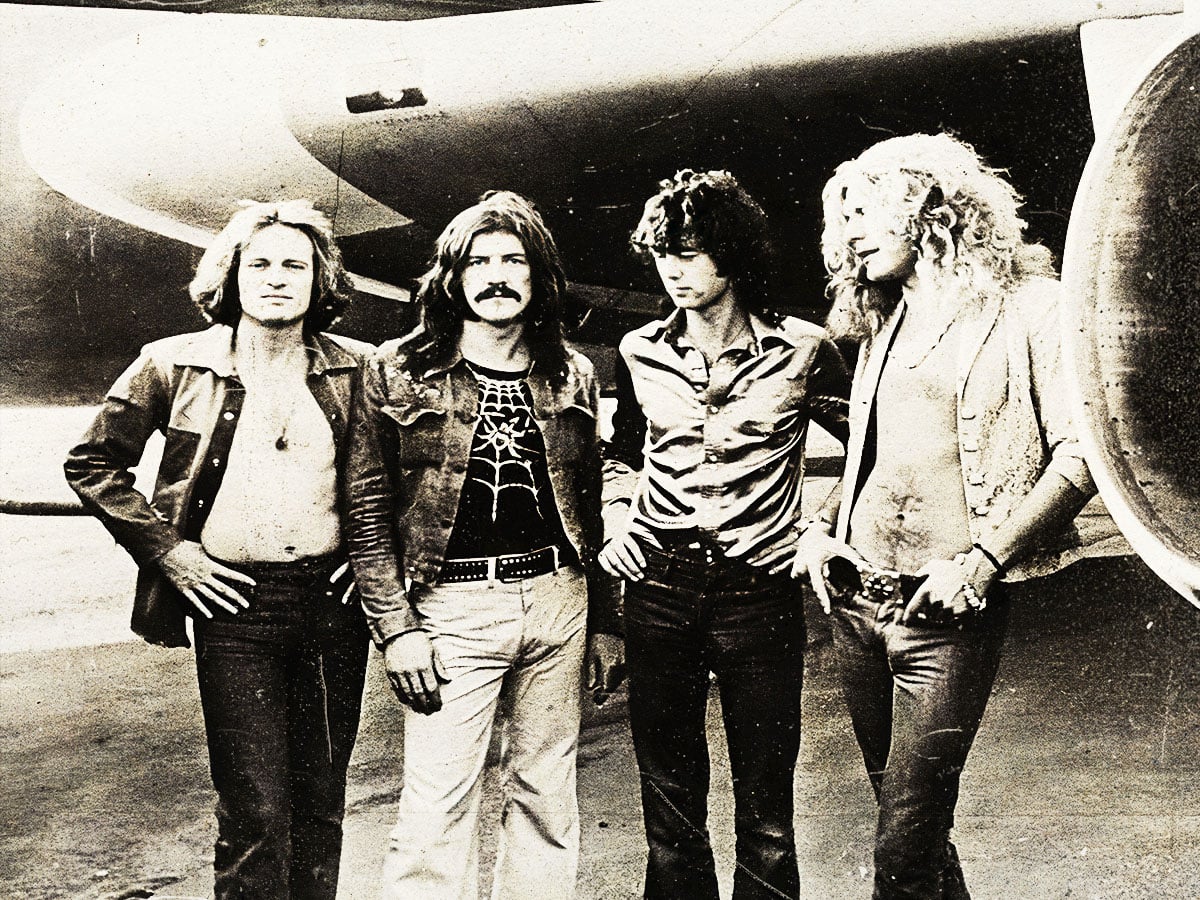
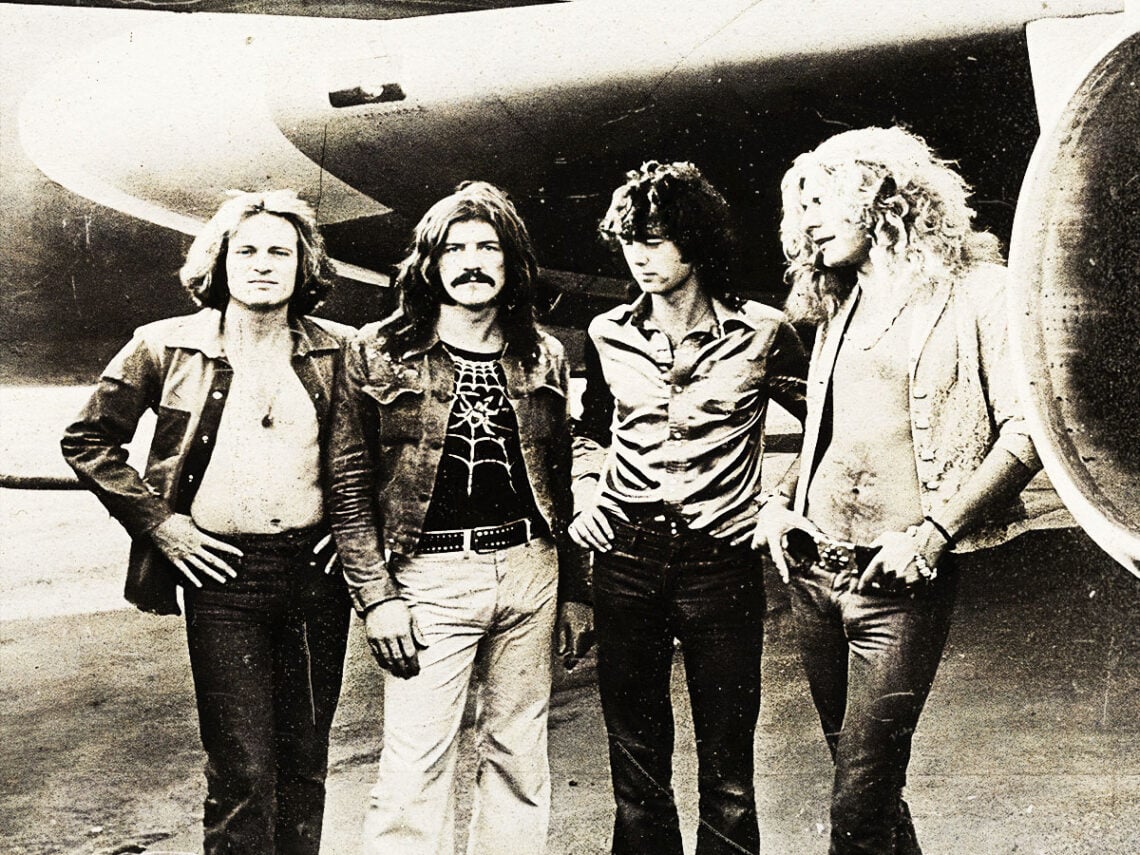
Following the disbandment of the Yardbirds in 1968, Led Zeppelin was formed by guitarist Jimmy Page, who brought together three immensely talented musicians to complete the stable lineup: Robert Plant on lead vocals, John Paul Jones on bass guitar and keyboards, and John Bonham behind the drums.
By the end of the 1960s, Led Zeppelin had released their first two albums and were already a considerable presence, rivalling The Rolling Stones and The Who for the rock throne. All-time classics like ‘Good Times Bad Times’, ‘Dazed and Confused’, ‘Whole Lotta Love’ and ‘Ramble On’ had already arrived, but the best was still yet to come.
Through the early 1970s, Led Zeppelin released their most critically and commercially favoured albums, beginning with Led Zeppelin III. The album began on a powerful note with the rather violent and martial-sounding ‘Immigrant Song’, a track Plant views as a “ridiculous” hit of history for kids.
“What a shame ‘Immigrant Song’ isn’t easy for kids to play, by the way,” he added in a 2023 interview with Vulture. “Everyone gets it, young and old. It’s a great song. Not only slightly ridiculous but ridiculous. Considering that we wrote it in midair leaving Iceland — a fantastically inspiring gig and an adventure, beyond which there will be no books written.”
“I thought ‘Immigrant Song’ was great because it goes back to the Dark Ages effect on my being,” he said. “I’m sitting here looking out into the darkness in the building that was built in the 15th century. It’s not a fancy building, it’s just a building that’s been brought back from a thousand different deaths. I know that before the Civil War before Cromwell came through here, and before everybody would hide. Before, before, before, before, before, before. That Viking side of stuff is very funny.”
 Credit: Far Out / Led Zeppelin
Elsewhere on Led Zeppelin III, the band brought their penchant for complexity to ‘Four Sticks’. The song was named after its incredibly difficult drum beat, which kept Bonham in a state of constant frustration during the recording sessions. While recording the difficult track, Bonham allegedly became so impatient that he gave up on ‘Four Sticks’ to play the intro for Little Richard’s ‘Keep a Knockin”.
With ‘Four Sticks’ on ice for a moment, the band decided to work on Bonham’s tangential beat. With the addition of Page’s guitar structures, the song was mostly drafted within 30 mins, under the working title ‘It’s Been a Long Time’. When Plant’s lyrics were finalised for the album, it was renamed ‘Rock and Roll’.
You can hear that release in the finished recording. Bonham’s introduction practically throws the door open, and Page answers with a riff that needs very little explanation. The familiar blues framework gives everyone room to move without having to negotiate another elaborate change of direction.
Plant sounds delighted to be let loose over it, stretching his phrases while the band keeps charging underneath him. For a group capable of making rock music feel mysterious, monumental and occasionally forbidding, this is wonderfully approachable. The excitement comes from four musicians knowing exactly how to push one another, with enough shared instinct to make a straightforward song sound enormous.
“We just thought rock and roll needed to be taken on again,” Plant said of the classic song in an interview with Creem in 1988. “I was finally in a really successful band, and we felt it was time for actually kicking ass. It wasn’t an intellectual thing, ’cause we didn’t have time for that – we just wanted to let it all come flooding out. It was a very animal thing, a hellishly powerful thing, what we were doing.”
That directness also gives ‘Rock and Roll’ an important place on the fourth album. Coming after the stop-start exchanges of ‘Black Dog’, it lets the listener settle into a groove before ‘The Battle of Evermore’ and ‘Stairway to Heaven’ carry the record somewhere stranger.
Zeppelin could make room for both impulses without either feeling like a concession. Page later connected the riff to the brass arrangements on Little Richard’s records, which makes sense of its punchy, answering phrases.The song carries that earlier music’s excitement into a heavier setting, preserving the invitation to dance even as Bonham makes the floor feel liable to collapse.
Watch Led Zeppelin perform ‘Rock and Roll’ live in 1979 below.
ADD AS A PREFERRED SOURCE ON GOOGLE  The Far Out Led Zeppelin Newsletter
All the latest stories about Led Zeppelin from the independent voice of culture.
Straight to your inbox.