
Credit: Far Out / Gladstone~dewiki
November 12th, 2026 · 3:12pm GMT
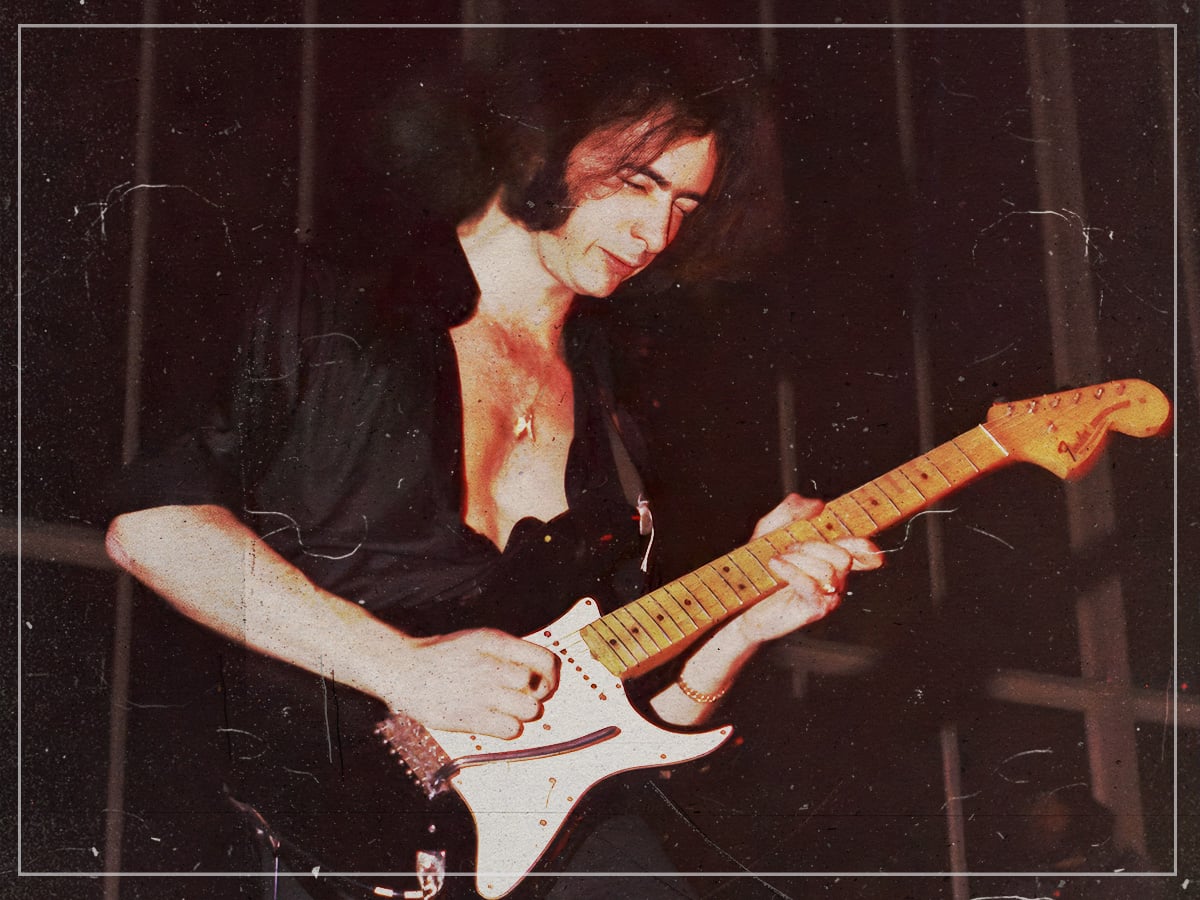
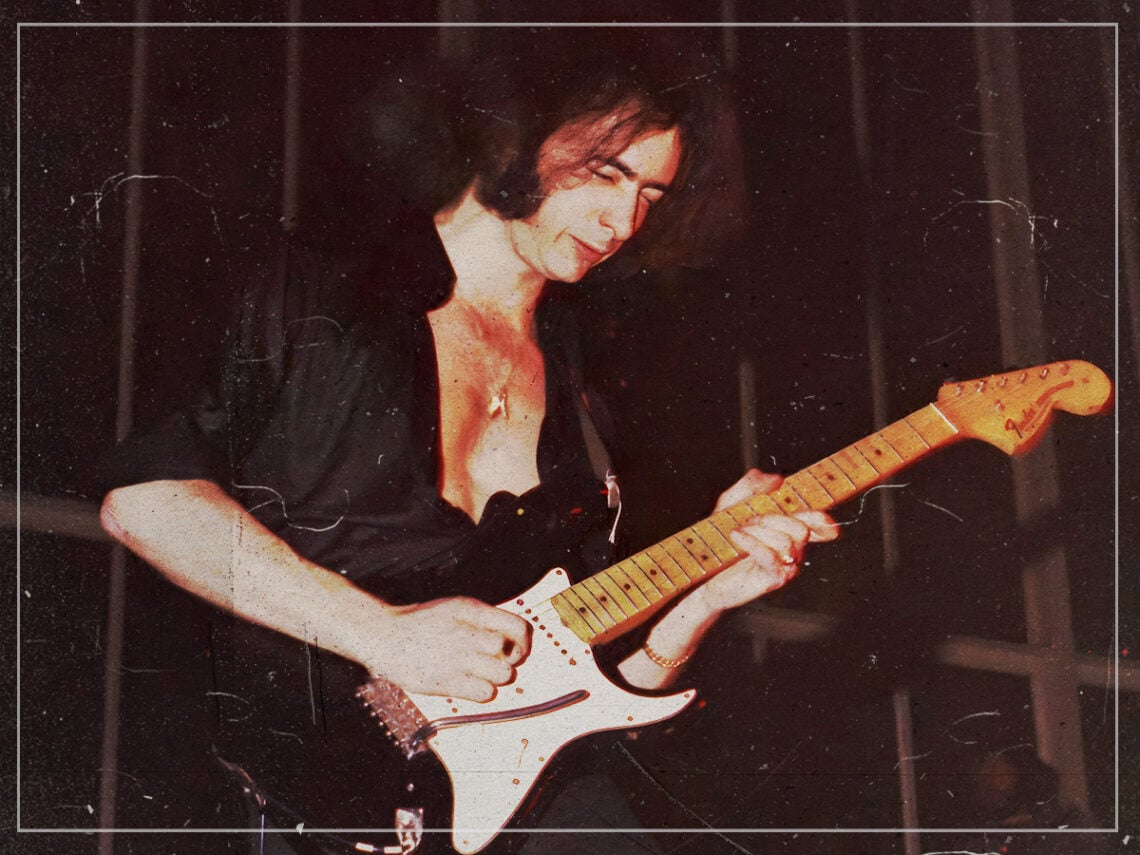
Former Deep Purple and Rainbow guitarist Ritchie Blackmore cites a host of musicians as his favourites, ranging from Jimi Hendrix to Bob Dylan. Given his position as one of the most influential guitarists of all time and a pioneer of the metal genre, the British musician has been asked numerous times to discuss those he deems his finest peers.
One band that the ‘Black Knight’ guitar hero has long loved is The Beatles, and in particular, one half of their resident hit-writing partnership, Paul McCartney. The Liverpool quartet are hailed as the most essential act of all time, something Blackmore completely agrees with. When speaking to Melbourne Radio while touring with Rainbow, Blackmore confirmed his belief that the Fab Four remain the greatest of all time.
“The Beatles were excellent. Probably the best band (that) ever lived, without a doubt, along with Hendrix and Jethro Tull. I admire Paul McCartney and Ian Anderson. Especially Ian Anderson, his songs are just beyond me,” Blackmore said.
Whilst Blackmore loves The Beatles greatly, he has a special place in his heart for Paul McCartney, whom he said he has admiration for. Speaking to Metal Hammer in 1987, he described the ‘Eleanor Rigby’ songwriter as “the best composer we’ve had in the past hundred years”. This praise came as part of the former Deep Purple man’s defence of McCartney, who he thought was being destroyed in the press.
“I was reading the Melody Maker the other day, and there was this stuff about Paul McCartney,” he said. “They were just crucifying him; the best composer we’ve had in the past hundred years. They were saying that he had too much money and he was overweight with this horrible wife. I can imagine them saying the same thing about Beethoven in his day”.
For all the distance between ‘Yesterday’ and ‘Highway Star’, that admiration makes sense. Blackmore’s playing could be ferocious, but his best guitar lines have melodies you can carry away with you. McCartney could achieve that same immediate connection with a voice and a handful of chords, or take an altogether stranger route.
‘Eleanor Rigby’ builds its world around lonely characters and George Martin’s sharply drawn string arrangement, yet remains as memorable as any straightforward love song. You don’t need a guitar solo to recognise the ambition. For a musician interested in what a composition can stir in someone, there was plenty there to admire.
The Beatles made such an impact on Blackmore and the classic line-up of Deep Purple that on their first album, 1968’s Shades of Deep Purple, they covered the 1965 hit, ‘Help!’. Notably, though, the group changed the make-up of the song, elongating it and fitting it in with the style of the era’s ubiquitous psychedelic genre.
Their version also reveals how much room there was inside a Beatles song once another band started pulling at the seams. The original races through its plea for reassurance, with the bright harmonies almost disguising the anxiety underneath. Purple slow things down and let that uncertainty hang in the air. The organ gives the arrangement a solemn weight, while the guitar has room to answer the vocal rather than squeeze between its phrases. It becomes a rather different proposition, but the melody survives the transformation. That’s a decent test of songwriting: change the pace, the atmosphere and the musicians, and the thing still holds together.
This isn’t the only way Ritchie Blackmore is connected to The Beatles. In 1984, when the classic line-up had reunited and were performing in Australia, they were joined on stage by the guitarist of the Fab Four, George Harrison. Together, they played Little Richard’s rock ‘n’ roll classic, ‘Lucille’. Famously, Harrison lived near the band’s drummer, Ian Paice and keyboardist, Jon Lord, so he was happy to get up on stage with them down under.
Listen to ‘Eleanor Rigby’ by Paul McCartney below.
ADD AS A PREFERRED SOURCE ON GOOGLE  The Far Out Beatles Newsletter
All the latest stories about The Beatles from the independent voice of culture.
Straight to your inbox.