
Credit: Far Out / Casablanca Records
November 13th, 2026 · 2:00am GMT
Back in 1976, Kiss’ ‘Beth’ smash pretty much invented the power ballad.
It was a bold move, and fans didn’t see it coming. Over the previous two years, New York’s grease-painted theatre troupe had everything nailed except record sales. The hard rock strut was on point, a juvenile songbook chiefly concerned with sex and rockin’ ready for an adolescent teen demographic, and their monochromatic, comic book clobber begging to be plastered on bedsheets and cereal boxes up and down the country.
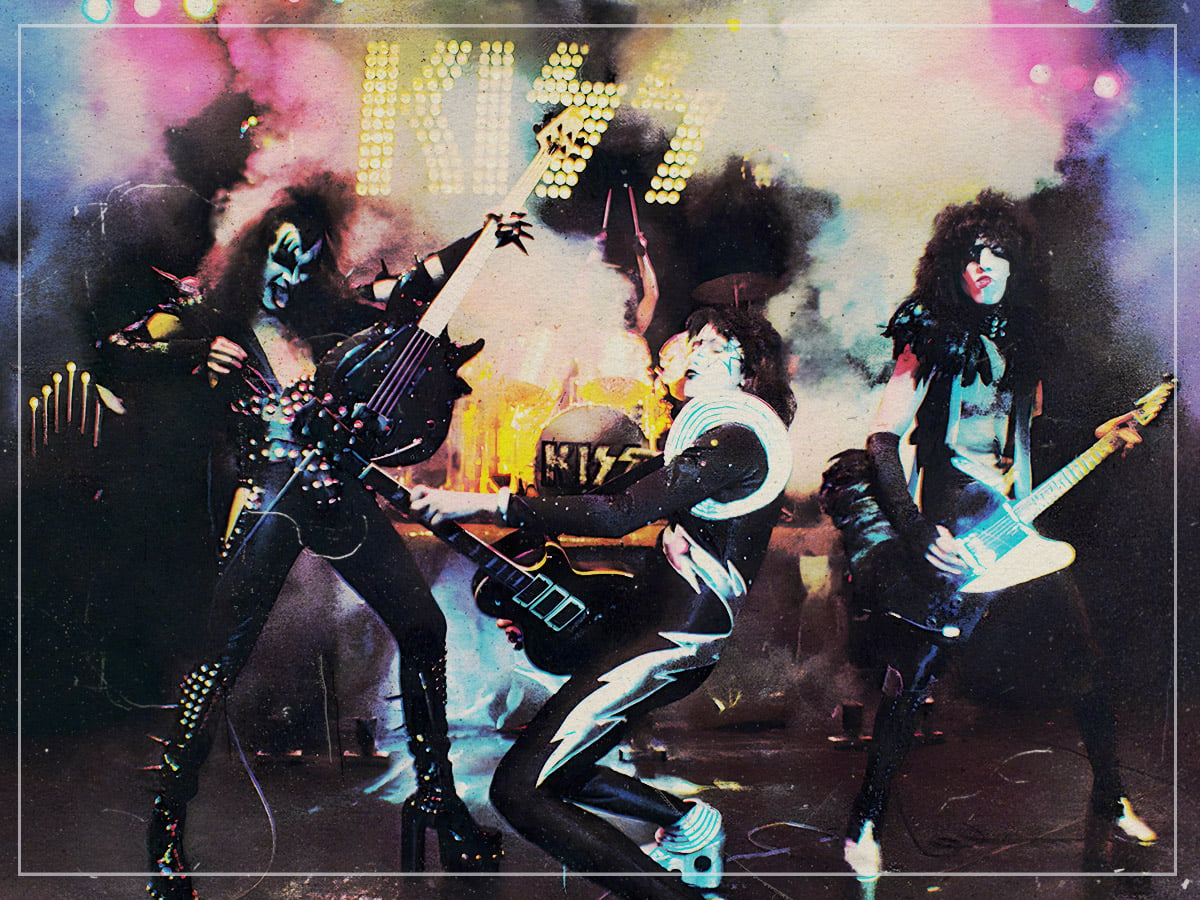
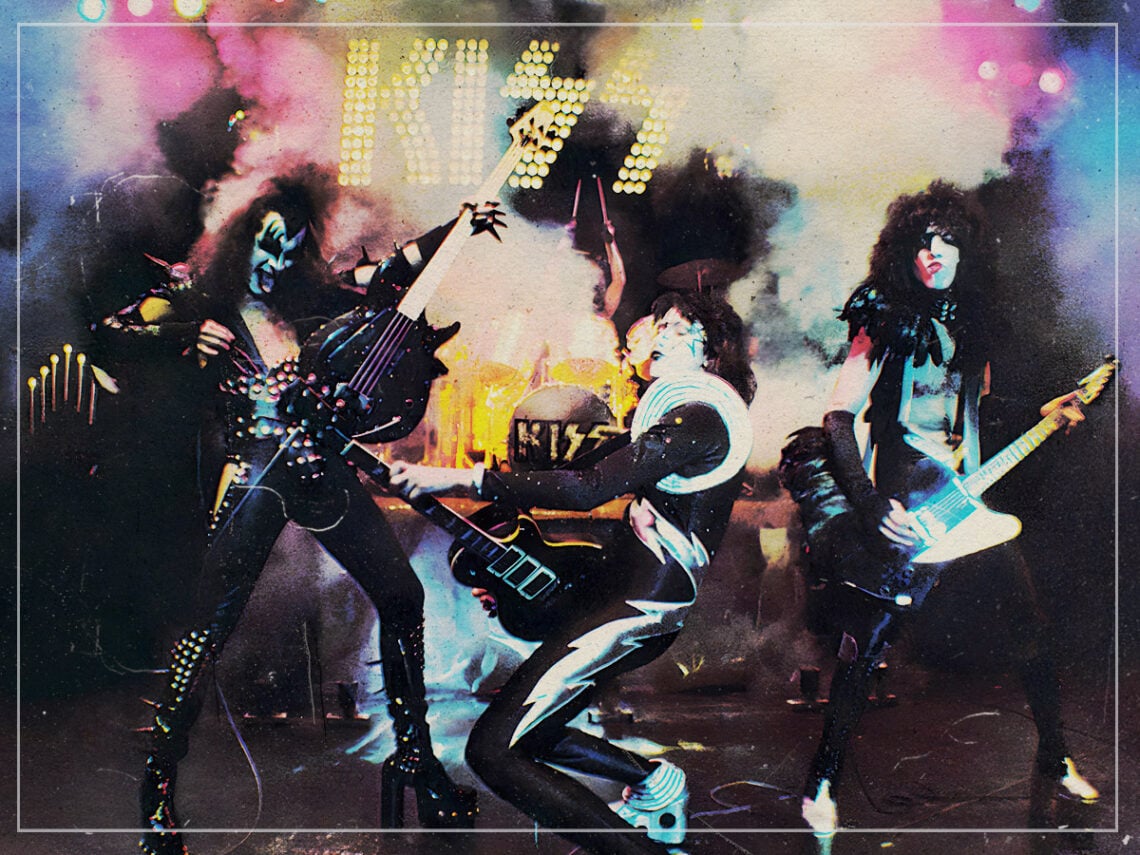
But the Billboard charts weren’t paying attention. Lacklustre sales reached such a nadir that the Casablanca record label inched closer to dropping Kiss from their roster. One last roll of the dice was had on a live album. Feeling that Kiss’ power lay on stage, 1975’s Alive! turned the band’s fortunes around and was their first release to crack the top ten, winning a headbanging fanbase ready to part with their cash for the big studio album follow-up.
1976’s Destroyer honed and perfected their glam rock sound, counting future concert staples like ‘Detroit Rock City’ and ‘Shout It Out Loud’, but a soppy romantic ballad boasting the New York Philharmonic was not on many fans’ cards, old-timer or newcomer. Such gentler dimensions to the Kiss juggernaut would become more common later. Indeed, tongue-lashing demon bassist Gene Simmons would take a stab at Disney’s ‘When You Wish Upon a Star’ on his 1978 solo LP, but ‘Beth’ marked an atypical gamble that paid off handsomely for its singer-songwriter.
Who sang vocals on ‘Beth’?
Up to this point, feline drummer Peter Criss barely counted any writing credits, save his name on ‘Love Theme from Kiss’ on their debut.
But a number had been floating around since his pre-Kiss days with Chelsea. Cutting a demo with Chelsea guitarist Stan Penridge, as well as another take with their Lips successor, the originally titled ‘Beck’ was mooted to Destroyer producer Bob Ezrin, who embraced the song as a counter to the rest of the record’s arch-macho posturing. For the first time, a Kiss cut featured no instrumental contributions from Simmons, frontman Paul Stanley, or guitarist Ace Frehley.
According to Criss’ recount to Billboard in 2026, he handled the melody and phrasing around Penridge’s original verse and chorus. Recording at the famous Record Plant, Ezrin arranged the orchestra for its symphonic stir and advised dialling down ‘Beth’s’ tempo. With him also on the piano, and Alice Cooper and Lou Reed regular Dick Wagner on the acoustic guitar, Simmons stepped up to lead vocals on the little love song that wound up standing as a Kiss classic.
Further reading: From The Vault
From then on, ‘Beth’ would see life on stage for most of their shows, Simmons performing to a backing track until his first departure from Kiss in 1980. The sentimental ballad paid off, Destroyer’s love song peaking at number seven on the Hot 100 and their highest charting single yet.
Kiss had sparked a glam metal trend. As they entered a new rock climate of their making into the 1980s, every ‘Home Sweet Home’, ‘Every Rose Has Its Thorn’, or ‘I Remember You’ was following the power ballad permission pioneered by Kiss back in 1976.
