

The temperature plummeted to -6°C last night and we’re feeling the effects in our homes as a result. I’ve already got my slippers on, layered up and plugged in the heated blanket, but somehow it’s not enough.
That’s when I remembered the ‘4pm rule’. It’s a two-second habit that helps to lock residual heat in the home, helping you to steer clear of the thermostat for a little longer. But what is it and how does it work?
What is the 4pm rule?
This rule was created by Martin Lewis to help homes save energy and stay warmer for longer in the winter. It’s as simple as this: at 4pm (or thereabouts), you close all the curtains around your home to seal in the residual heat from the day. This means less heat escapes your home and, as a result, you’re less likely to preemptively turn on or turn up the heating.
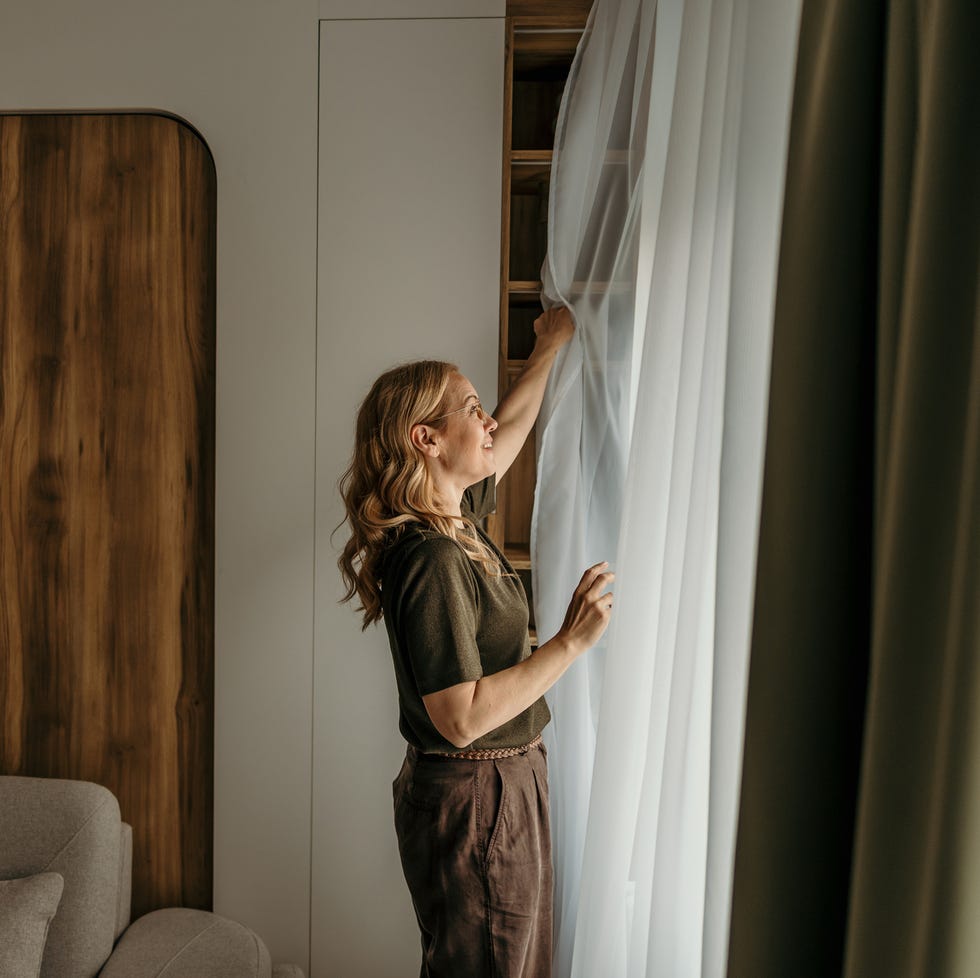
Studio4//Getty Images
How much of a difference will it make?
‘It’s a good habit,’ says Martyn Fowler, founder of Elite Renewables. ‘I wouldn’t get too caught up on the 4pm part. The idea is to close your curtains when the sun goes down and the outside temperature starts dropping.
‘Because your windows are usually one of the weaker points when it comes to insulation, closing your curtains creates an extra layer between the warm room and the cold glass. That helps to reduce heat loss. It’s definitely something that will make a noticeable difference if you’ve got older double glazing or single-glazed windows.’
Ant Langston, from HeatandPlumb.com, agrees: ‘The University of Salford did their own research in a test property and offer estimates of 11-19% less heat loss through windows when curtains are drawn. The 4pm rule isn’t exact, but once the temperature drops and daylight fades, it’s a good time to do a bit of tactical curtain-drawing.’
The sun heats our homes via radiation and that stops once it sets, so the 4pm rule gives your home an added layer of insulation – but is there any way to improve on it?
Maria Korneeva//Getty Images
How to insulate your home
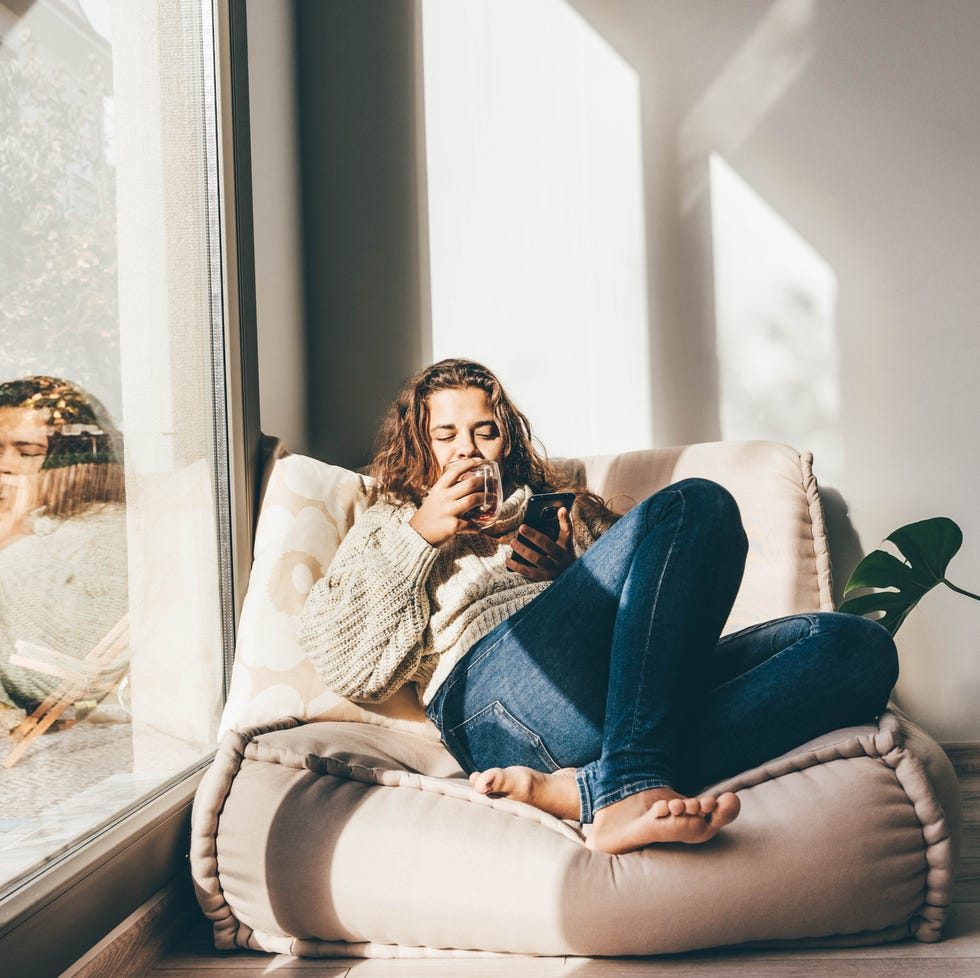
Martin says: ‘The first thing would be thermal-lined curtains. They’re thicker and better at reducing heat loss than lightweight curtains. You also want curtains that cover the whole window and extend a little beyond the frame towards the windowsill. The idea is to eliminate any gaps that will let cold air through.
‘The thing to be aware of is radiators underneath windows. Make sure curtains don’t cover the radiator when they’re closed, otherwise you end up trapping warm air behind them, rather than letting it circulate into the room.’
Curtains too long? Tie back the excess to expose the radiator or, preferably, opt for made-to-measure curtains that sit a couple of inches above it.
Top tips for keeping warm
Martin suggests combining this with draught-proofing: ‘Check the seals around windows and doors, and make sure you’re not leaving obvious gaps where warm air can escape.’
Carefully moving a lit candle around the frames of your windows and doors will tell you if there’s a leak. If the flame dances, you can look at re-caulking or using draft excluders.
Ant flags: ‘Don’t forget keyholes and letterboxes, but be sure not to block any vents around the home that are important for ventilation. Another consideration is not to block radiators with furniture as this restricts warm air from circulating.’
As well as curtains, you don’t want furniture, clothes or even dust blocking your radiators. In each case, it stops the radiator from heating your home as effectively. Aim to keep furniture about 30cm away for guidance.
‘If you’re looking at more impactful upgrades, I’d consider loft insulation,’ says Martin. ‘It’s one of the first things I’d check in an older house, because you can lose a considerable amount of heat through an uninsulated roof.’

Xavier Lorenzo//Getty Images
When should you open your curtains?
‘I would open them when there’s daylight,’ concludes Martin. ‘You definitely should if you’ve got south or east-facing windows that catch the morning sun. That sunlight coming through the glass can provide a bit of free warmth. It’s called passive solar gain and it’s essentially free heating.’
Ant adds: ‘East-facing windows get the morning sunshine, whereas south-facing homes benefit from more of the sun during the day.’
Considering that, it might be better to prioritise windows facing to the east first, followed by south-facing, and then west, working your way along with the sun for optimum solar heating. North-facing windows generally receive the least amount of sun, so you’re opening the curtains for ambient light mostly.
While the timing of the 4pm rule doesn’t have to be adhered to strictly, it’s a good habit to adopt to help trap heat in your home and stop you reaching for the thermostat too early. You can always set a daily alarm to help you remember at first.