
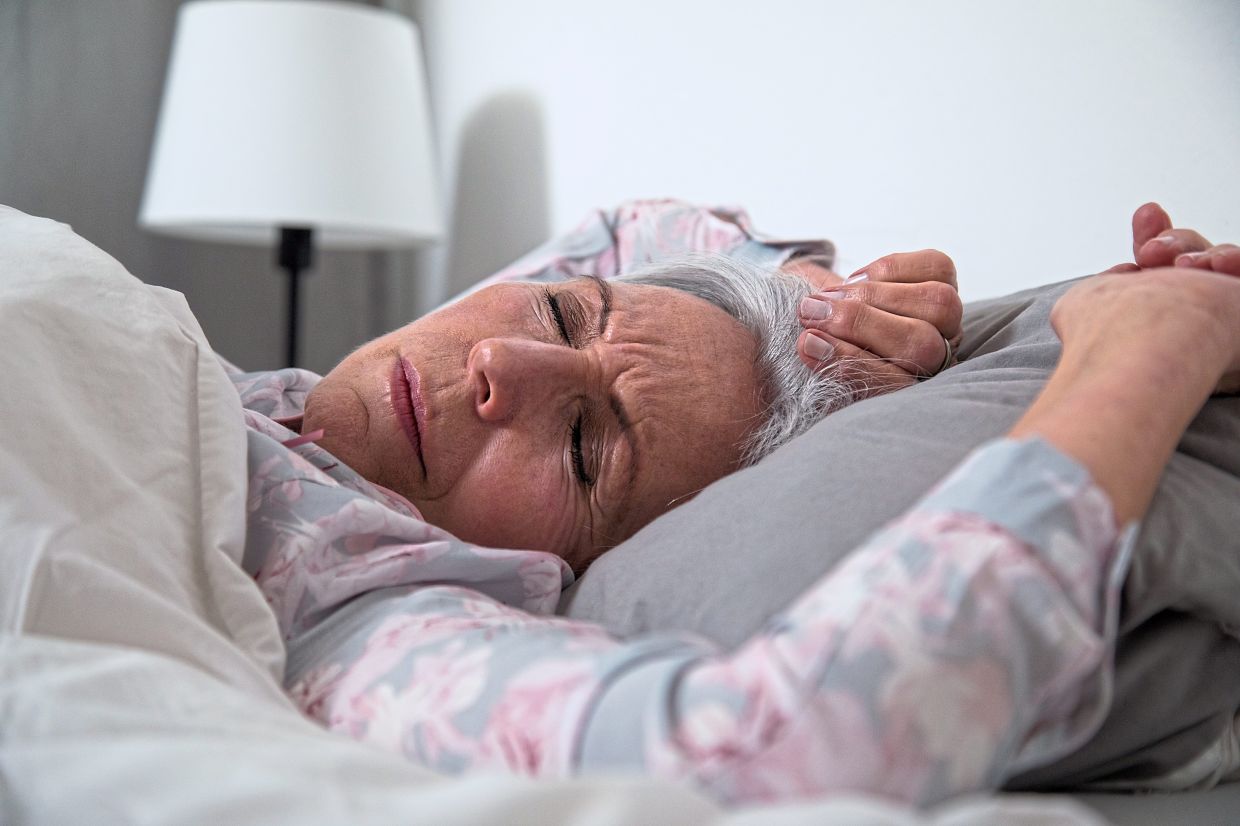
About one in four depression cases follow disruptions to the sleep-wake cycle in what scientists say is a circadian subtype of the condition.
After assessing data for more than 10,000 patients, researchers in Australia said that around one in four exhibited a body clock-based “seasonal pattern of illness”, with many tending to stay up late and feel “very tired” the following day, despite often sleeping longer than usual.
ALSO READ: Night owls appear more prone to depression than early birds
“People with circadian depression were more likely to experience their depression emerging earlier in life and had more severe symptoms,” the University of Sydney team said, listing “mania and higher levels of suicidal thoughts” among the more troubling effects.
Those affected were more likely to develop cardiovascular ailments and to show signs of neurological conditions such as attention-deficit hyperactivity disorder (ADHD), according to the team, explaining that the findings mean new treatments should be considered for such patients.
“Depression is not a uniform illness and understanding the characteristics of different subtypes mean that we can give people earlier access to treatments that will be most effective for them,” said study first author and research fellow Dr Emiliana Tonini.
Depression is “a heterogeneous condition with highly variable presentations and patterns of treatment response”, the researchers said in the paper published in the British Journal of Psychiatry.
The findings suggest that the serotonin-based medications often prescribed to depression patients might not be suitable for those with the newly-categorised circadian variant.
“Because circadian depression is linked to people’s internal body clock, treatments targeting the circadian rhythm, such as light therapy and melatonin, may be much more relevant,” said study co-senior author and senior research fellow Dr Jacob Crouse. – dpa