
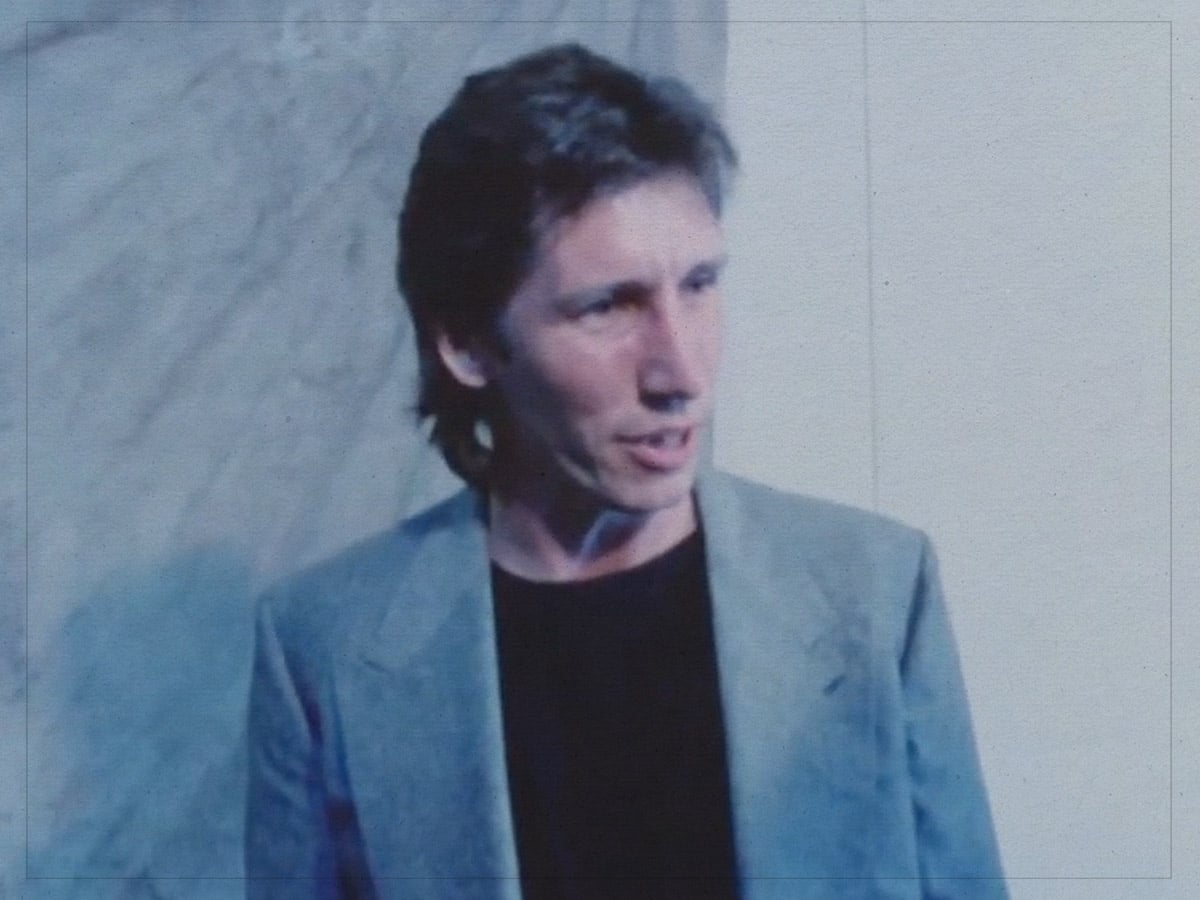

Credit: Far Out / YouTube Still
November 14th, 2026 · 3:27pm GMT
In their time, Pink Floyd released a handful of some of the most influential albums in popular music, with 1973’s The Dark Side of the Moon, arguably the pinnacle of their achievements.
One of the ultimate concept albums, it bridges the cerebral prog of their later chapter with the headiness of their earlier psychedelia. Adding to the magic, it features some of the most profound lyrics and themes Roger Waters has conceived, invariably impacting its listeners.
In short, The Dark Side of the Moon is one of the definitive moments of the album era. Reflecting its immense success, the opus is certified 14 times platinum in the United Kingdom. In an October 1975 interview with Nick Sedgewick featured in the Wish You Were Here Songbook, Waters outlined the tremendous effect their 1973 record had on the band. He labelled it “the end of the road”.
The interviewer recalled visiting the band at EMI studios in the winter of 1974, where they were recording using only bottles and rubber bands. He then clarified that this period was in the run-up to their French tour in June of that year. Waters explained: “Ah! Right, yeah. The answer starts here… (intake of breath)… Well, Nick… There was an abortive attempt to make an album without using any musical instruments. It seemed like a good idea at the time, but it didn’t come together. Probably because we needed to stop for a bit.”
This need to stop was because the band were “just tired and bored”, their creative director said. Pressed on the matter, Sedgewick asked Waters if this was to get off the road and have breathing space from each other. Here, he explained that Pink Floyd felt The Dark Side of the Moon was “the end of the road”, as they’d accomplished what they’d been aiming for since they were teenagers.
He said: “Yeah. But I don’t think it was as conscious as that, really. I think it was that when Dark Side of the Moon was so successful, it was the end. It was the end of the road. We’d reached the point we’d all been aiming for ever since we were teenagers, and there was really nothing more to do in terms of rock’n roll.”
There’s a particularly Floyd-like irony in finding success so unsatisfying after making that record. ‘Time’ turns the passing years into a frightening realisation that nobody has told you when your life is supposed to begin, while ‘Money’ gives material ambition a groove you can barely resist. The album keeps returning to the things people chase and the things that wear them down.
Then its success handed the band the rewards they had spent years pursuing, without supplying an obvious reason to get out of bed afterwards. They had made a remarkably persuasive record about the pressures of living, and still had to work out how to live with it.
Was this a matter of money? Waters asserted that “money and adulation” influenced the band’s feelings after The Dark Side of the Moon. He said: “Yes. Money and adulation… Well, those kinds of sales are every rock ‘n’ roll band’s dream. Some bands pretend they’re not, of course.”
So what prompted the decision to return to the studio and record Wish You Were Here? In his typically candid manner, Waters explained it was “boredom” more than anything. He concluded: “A feeling of boredom, I think, really. You’ve got to do something. When you’ve been used to working very hard for years and years and reached the point you were working towards, there’s still a need to go on because you realise that where you’ve got to isn’t what you thought it was…”
Crucially, that emptiness became something they could write about. Later in the same interview, Waters described Wish You Were Here as an album about “none of us really being there”. The distance between the musicians helped shape the work: ‘Welcome to the Machine’ makes the business surrounding them sound vast and impersonal, while ‘Have a Cigar’ turns industry enthusiasm into a sales pitch with teeth.
They had found a way forward by examining the uncomfortable place they already occupied. The question was no longer how to become a successful band, but what was left of them once they had.
Listen to The Dark Side of the Moon below.
ADD AS A PREFERRED SOURCE ON GOOGLE  The Far Out Classic Rock Newsletter
All the latest Classic Rock content from the independent voice of culture.
Straight to your inbox.