
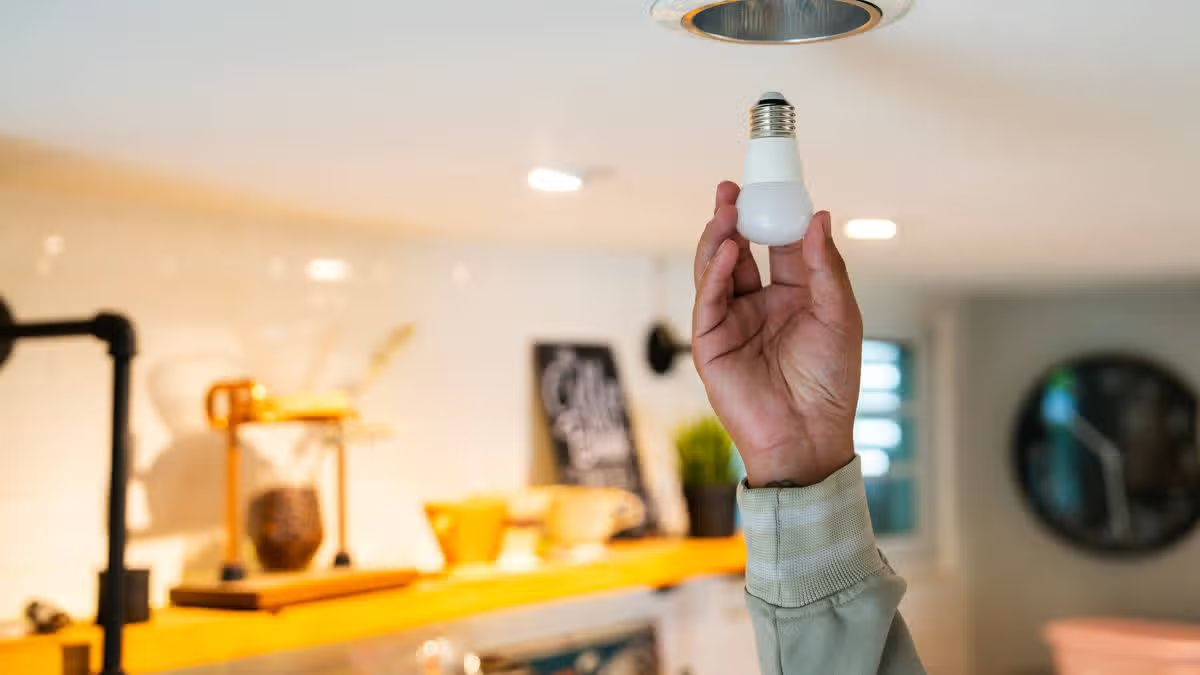
It’s important to be aware of what things in your home contain chemicals.
Vita Molyneux Travel reporter
01:19, 15 Nov 2026
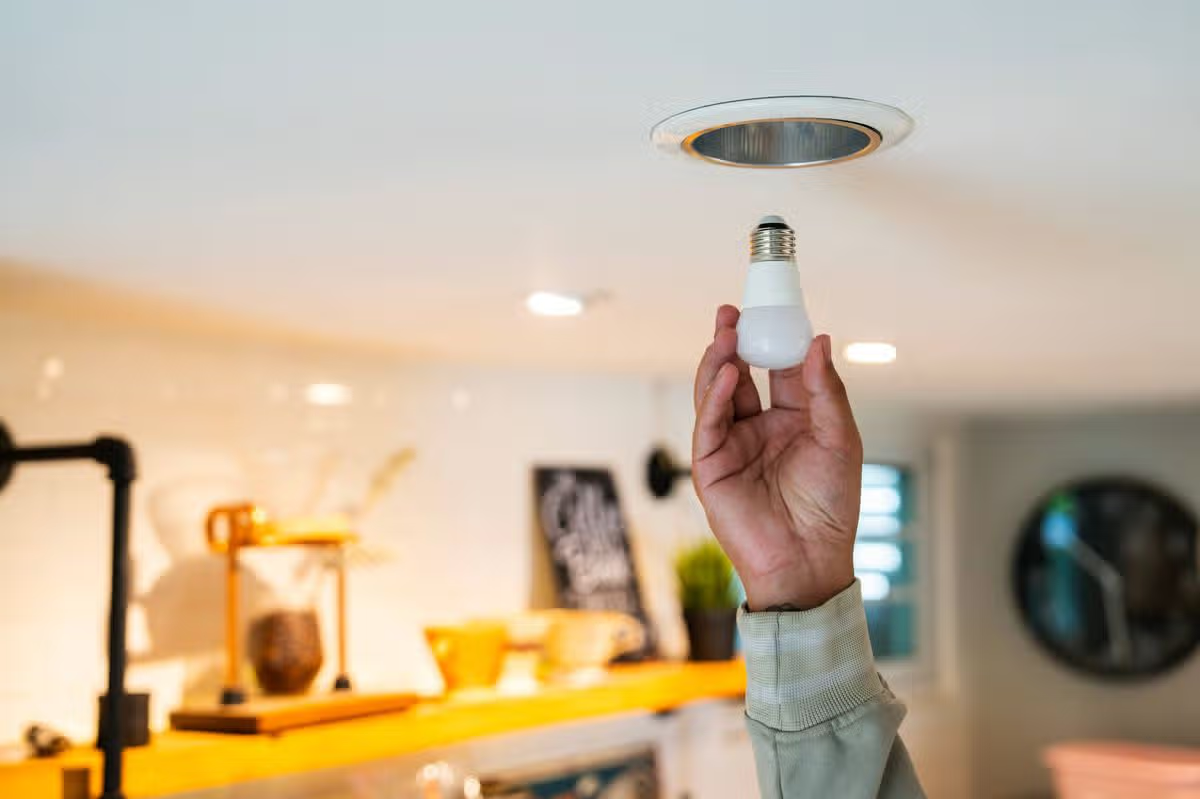
Not all bulbs can be treated the same way(Image: Witthaya Prasongsin via Getty Images)
Working out which bin to use for different items can feel like a never-ending puzzle at the best of times. When you need to dispose of something more unusual, it becomes even more challenging.
Certain items are trickier to categorise than others – and light bulbs rank among the most difficult.
Some contain hazardous chemicals, others feature tiny metal components, and all of them are fragile. So, how can you determine the correct disposal method?
Outdoor lighting experts from LightingLegends.com have shared their advice on the safest ways to dispose of various types of light bulbs.
Jon Saeed, managing director at LightingLegends, explained: “Most people don’t realise there’s no one-size-fits-all rule for disposing of light bulbs, so it’s an easy mistake to make.
“Some can go to recycling centres, others must be treated as hazardous waste, and a few can even go in regular bins.”
He added: “But different areas have their own rules on light bulb disposal, so make sure to check your local council’s advice before binning them. Getting it right is an easy way for households to reduce waste and their impact on the environment.”
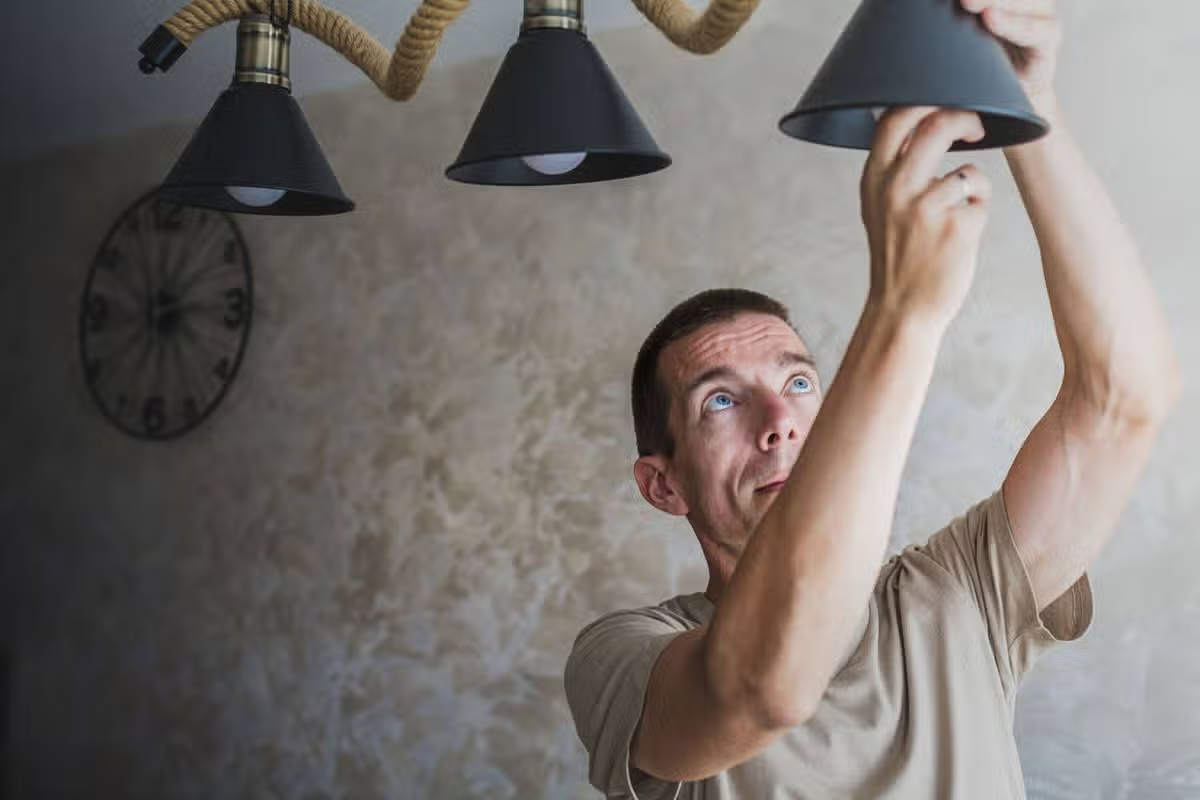
Lightbulbs need to be carefully disposed of(Image: Getty)
Where to dispose of different light bulbsLED light bulbs
Among the most widely used varieties are LEDs. They feature in the majority of electronics, displays and home lighting systems.
They can and should be recycled, though not in your household recycling bin. Instead, you’ll need to locate a Waste Electrical and Electronic Equipment (WEEE) recycling point.
Fluorescent bulbs
If you’re disposing of compact fluorescent lamps (CFL) and fluorescent tubes, bear in mind they’re classified as hazardous waste. These often contain trace amounts of mercury, meaning they must never be placed in household bins; instead, deliver them to the hazardous waste section at your local recycling centre.
The same applies to UV bulbs, which may also contain mercury.
Halogen and incandescent bulbs
These cannot be recycled, so must be carefully wrapped in paper or kitchen towels before being placed in your general waste bin. Ensure they’re sufficiently protected to prevent them shattering and creating additional hazards.
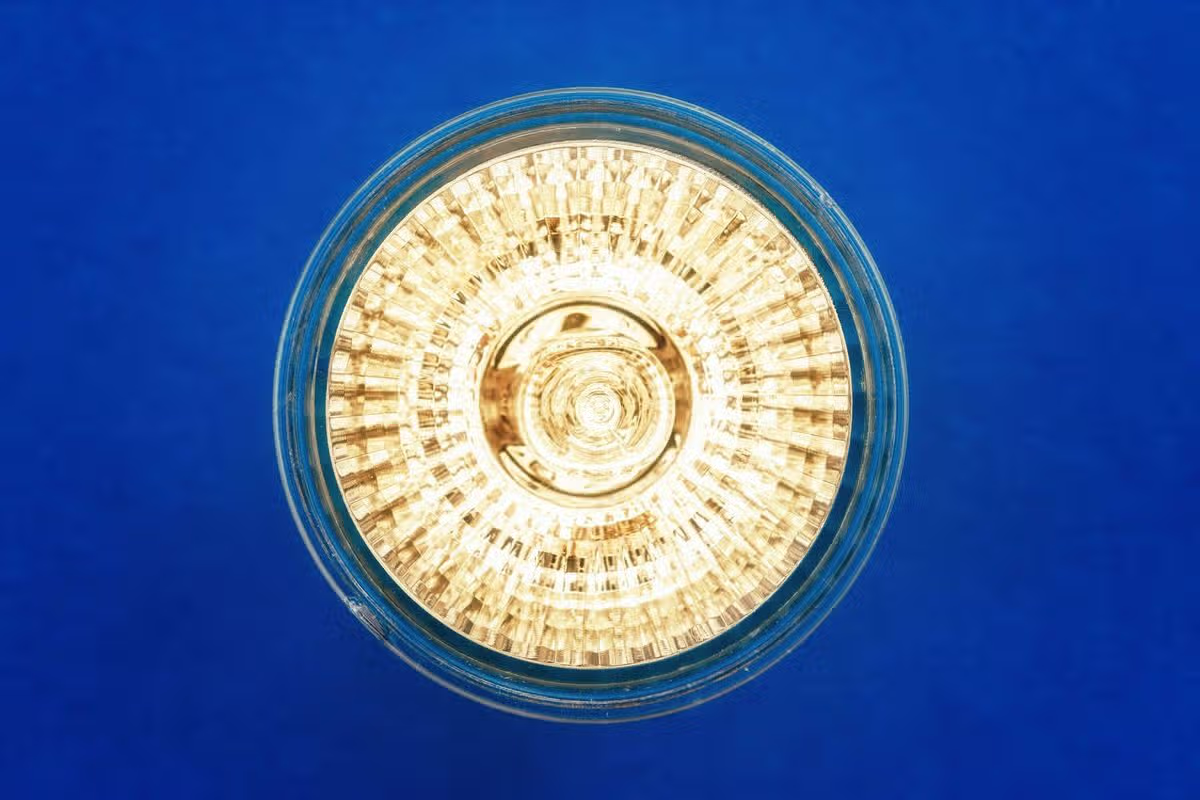
Halogen bulbs should be handled carefully(Image: Getty)
Smart bulbs
Lastly, smart bulbs are categorised as small electrical items and contain recyclable components, meaning they can be dropped off at your local household waste recycling centre or at any shop offering a Waste Electrical and Electronic Equipment collection point.