
This is Part 1 of a two-part series.
Walk through almost any American city, and you’ll likely smell marijuana smoke. Nonsmokers are complaining the most. Sidewalks. Hotels. Apartment buildings. Public spaces. Marijuana seems to be everywhere.
How did we get here?
The modern medical marijuana movement gained momentum when patients with cancer, AIDS, and other serious illnesses sought relief. Compassion was a powerful argument for this group. So was criminal justice reform because sometimes penalties for possessing small amounts of marijuana were unreasonably high. But neither compassion nor decriminalization established that marijuana was effective for one illness, let alone dozens of diseases. Evidence supports certain cannabinoid-based treatments for rare indications, but not the safety or efficacy of cannabis dispensary products.
A systematic review by Petrilli and colleagues found higher-potency cannabis was associated with increased risks of psychosis and cannabis use disorder (CUD).
How Marijuana Legalization Changed the Market
It started with the 1996 medical marijuana ballot measure in California, Proposition 215.
In 2012, Colorado and Washington became the first states to approve recreational marijuana legalization through statewide ballot initiatives.
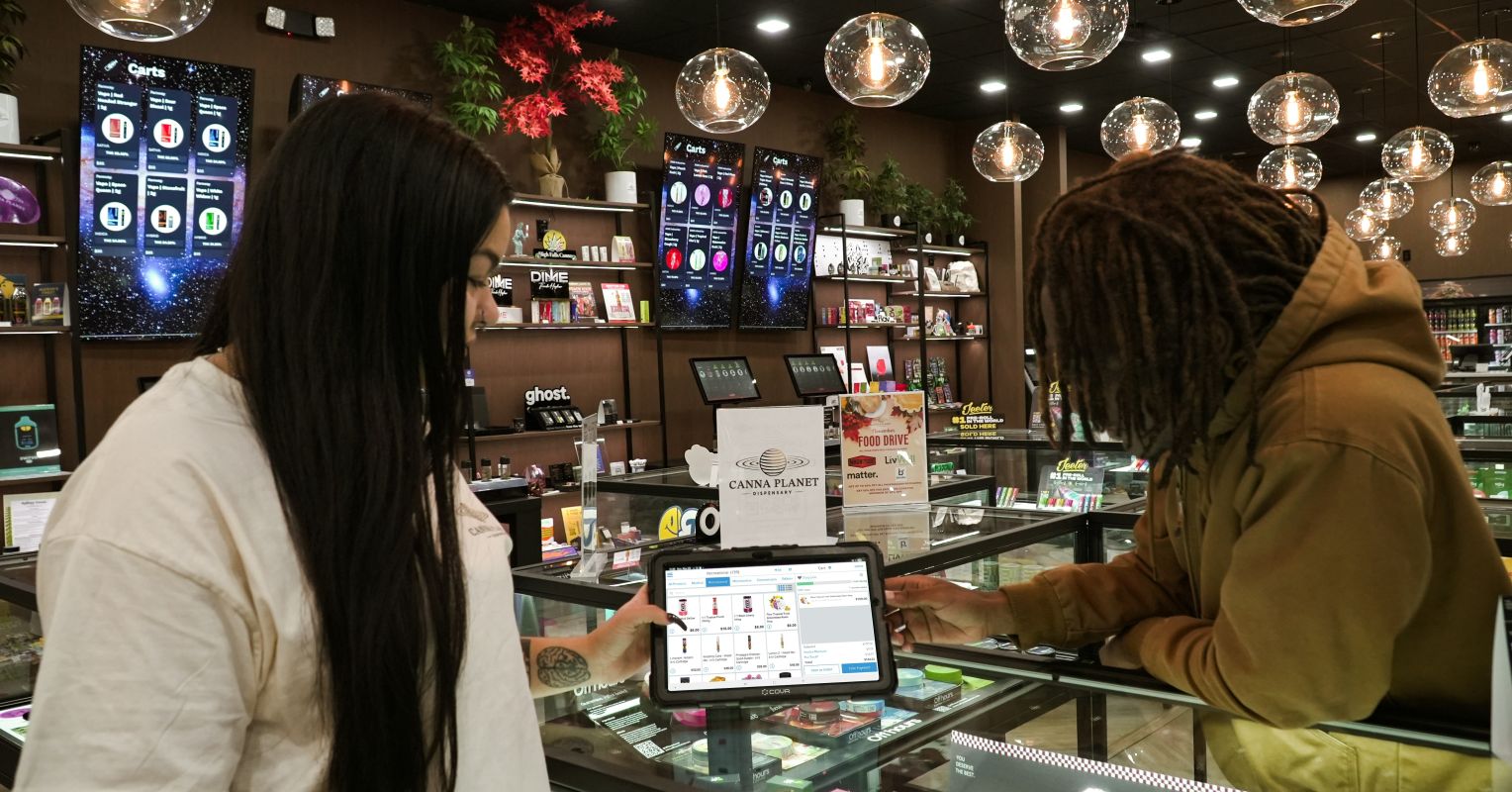
Promises made to gain citizen support included fewer arrests, less illicit dealing, and medical benefits. There were also promises of tax revenue. Legalization also created retailers who need customers and investors expecting returns. Governments collect taxes and need money.
Kevin Sabet and Big Marijuana
Kevin Sabet, PhD, and former Congressman Patrick Kennedy cofounded Smart Approaches to Marijuana (SAM) in 2013. They are advocates, but research has supported many of their policy suggestions.
One study analyzed 187,573 survey responses between 2018 and 2023. They raised questions about marketing practices, especially those reaching children. Xu and colleagues subsequently reported associations between cannabis advertising, price-based promotions, and initiation among adolescents and young adults.
Rotering and Apollonio also documented cannabis-industry lobbying concerning indoor smoking exemptions and pregnancy warnings.
Didn’t we already learn these lessons from Big Tobacco?
Cannabis Revenue: Who’s Driving Sales?
Legal U.S. cannabis sales reached an estimated $29.1 billion in 2025, with industry projections anticipating further growth in 2026. But tax revenue isn’t the same as public health benefits.
Perhaps the most important finding about commercial cannabis is not how much is sold, but who’s buying it.
Cigarette manufacturers also depend on nicotine-dependent smokers. A disproportionate share of alcohol sales come from heavy drinkers. Fast-food and ultra-processed food companies benefit from frequent consumption. The marijuana industry is similar in this way. A study of Washington State’s cannabis market estimated daily or near-daily consumers accounted for 91 percent of the market in 2016.
Reducing heavy cannabis consumption would reduce industry revenue and state tax receipts.
Did Legalization Eliminate the Illegal Market?
Approximately 62 percent of cannabis consumed in California during 2024 came from illicit sources.
The legal market expanded, but the illegal market remains as substantial as ever. Illegal cannabis products may be cheaper because producers and sellers avoid taxes, testing requirements, licensing fees, and other regulatory costs while offering anonymity and home or street delivery, providing a competitive advantage.
From Hippie Marijuana of the 1960s to High-Potency THC
The marijuana smoked during the 1960s is not the cannabis sold in today’s dispensaries. Historical estimates suggest marijuana in the 1960s often contained 1 percent THC or less. By the early 1990s, concentrations were around 3 percent, rising to approximately 4 percent in 1995. It did not stop there.
By 2014, average THC potency reached approximately 12 percent. By 2022, the DEA reported an average of 16 percent THC in monitored marijuana plants. Today’s commercial flower may contain 20 to 30 percent THC, while concentrated products such as wax, shatter, and oils may contain 60 to 90 percent.
The dose escalation in potency over time is undeniable. No one today can say, as experts did in the ‘60s, that marijuana isn’t ever addicting, and today, addiction is more likely than ever.
Petrilli and colleagues’ systematic review linked higher-potency cannabis with increased risks of psychosis and cannabis use disorder.
We didn’t legalize the marijuana of the ’60s. We commercialized highly potent, concentrated forms of THC, without the long-term safety studies or FDA evidence expected of medicines.
But shouldn’t people who never used cannabis receive protections comparable to those established for nonsmokers of tobacco? This is the most neglected question in cannabis public health, proving we are in a collective denial.
Secondhand smoke is firsthand smoke without consent.
Back to the Future
Today, cigarette smoke is treated like poison, but cannabis smoke enters apartments, office buildings, hotel rooms, shared ventilation systems, and public spaces. Neighbors complain because they smell it. Sometimes they cannot escape it.
Cannabis smoke contains fine particulate matter (PM₂.₅), carbon monoxide, volatile organic compounds, and polycyclic aromatic hydrocarbons. The CDC warns secondhand cannabis smoke contains toxic and cancer-causing chemicals also present in tobacco smoke, sometimes at comparable or higher concentrations.
Cannabis does not contain nicotine, but cannabis smoke contains something tobacco smoke does not: THC. Controlled experiments in humans by Herrmann and colleagues demonstrated secondhand cannabis smoke exposure can produce measurable blood THC concentrations in poorly ventilated environments. They also reported secondhand exposure could produce subjective psychoactive effects.
Tripathi and colleagues studied 275 children and reported cannabis smoking inside the home was associated with approximately fivefold higher odds of evidence of cannabis in the body and brain by detecting urinary cannabinoid biomarkers. This doesn’t establish intoxication or addiction, but raises an obvious question: Why should children be exposed to THC-containing smoke?
Also, uncertainty about the magnitude of harm doesn’t prove repeated exposure is safe for children or adults.
Thirdhand Exposure
Tobacco research taught homeowners, renters, hotel guests, and the rest of us another lesson: Smoke doesn’t disappear when the cigarette, joint, or bong goes out.
Tobacco researchers showed persistent residues in indoor environments. These alarming findings elevated concerns about infants’ and young children’s safety. Smoke-related combustion products remain on furniture, carpeting, clothing, walls, and household dust. Some residues can transfer or be resuspended. This is thirdhand smoke.
A 2025 JAMA Cardiology study by Mohammadi and colleagues reported associations between chronic marijuana smoking or THC-edible use (gummies, food including marijuana, such as the classic marijuana brownies) and impaired vascular endothelial function.
Who Pays for Cannabis Costs?
What about emergency department visits? Cannabis use disorder? Anhedonia? Psychosis? Cannabis hyperemesis syndrome, characterized by recurrent episodes of severe nausea and vomiting? Asthma, impaired driving? Treatment costs? Costs may include addiction treatment, psychiatric and medical emergencies, the impacts of impaired driving, environmental exposure, and other health consequences.
We need prospective studies beginning before first cannabis use and continuing over time. We need to measure potential benefits and harms of legalization. We then need to use the FDA to establish medicinal benefit and calculate the risk-benefit balance.
Conclusion
Legalization, while circumventing science and the FDA, does not make marijuana safe. Slick marketing does not make it medicine. Nothing justifies exposing others to smoke.
The lessons of tobacco, alcohol, and cocaine should not be forgotten: Public health must come before commercial interests.
The next post in this series will examine the neuroscience of THC and the addiction, pregnancy, and prevention lessons we should already be applying.