
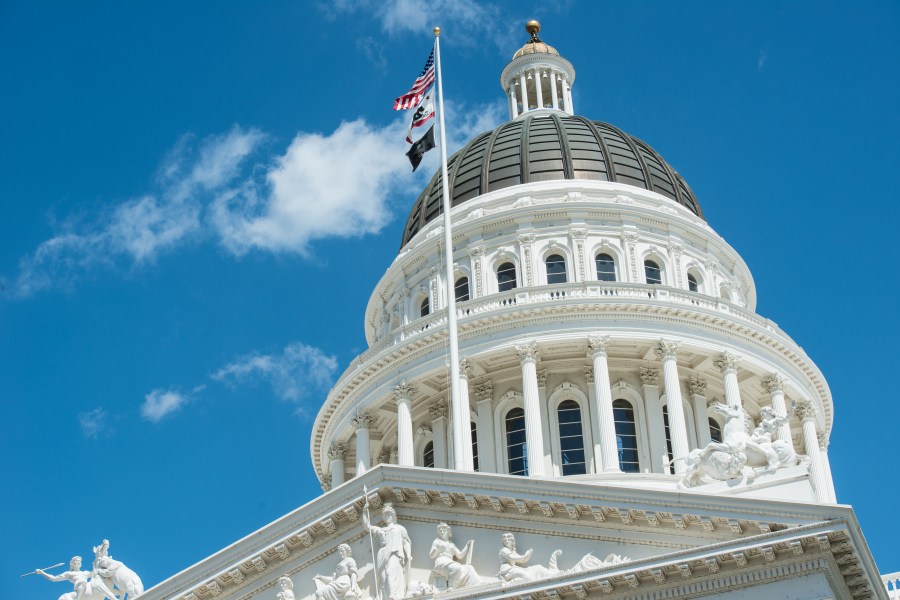
Hundreds of new laws were approved by the California Legislature and signed by Gov. Gavin Newsom this year, including measures to lower drug costs and require landlords to maintain refrigerators and stoves in apartments.
Here’s a breakdown of some of the new laws going into effect in 2026.
Banning cat declawing
Starting Jan. 1, cat owners will be prohibited from having their cats declawed, under Assembly Bill 867. After Gov. Gavin Newsom signed the bill into law, California became the largest state to ban the procedure, which involves amputating the first bone in each of a cat’s toes or severing tendons to prevent claw extension.
Declawing is permitted only when medically necessary to treat a health condition, according to the legislation.
Landlords will have to provide stoves and refrigerators in apartments
Landlords will be required to provide working stoves and refrigerators in apartments starting Jan. 1 under AB 628 by Assembly Member Tina McKinnor, D-Hawthorne.
Gender-neutral bathrooms in schools
Starting July 1, 2026, all California public schools must have at least one gender-neutral restroom, under SB 760, introduced by former state Sen. Josh Newman, D-Fullerton.
The bill was initially passed in 2023, but implementation was delayed after President Donald Trump signed multiple executive orders impacting trans people at the beginning of his second term, according to the San Francisco Chronicle.
Updated plastic bag ban
Starting next year, California grocery stores will be barred from providing customers with plastic shopping bags.
A similar ban took effect in 2014, but a loophole allowed grocery stores to provide thicker plastic bags with the intention that they would be reused. However, as most shoppers can attest, they weren’t – and the loophole led to plastic bag waste reaching an all-time high, according to the California Public Interest Research Group (CALPIRG).
Under SB 1053, those thicker plastic bags will also be prohibited, effective Jan. 1.
Grocery stores will provide recycled paper bags to customers who do not bring their own. The ban does not apply to plastic produce bags or other plastic bags used in stores to prevent contamination.
Food Delivery Platforms
Under AB 578, food delivery platforms such as Uber Eats and DoorDash will be required to provide a full refund to a customer if an order is not delivered or if the wrong order is delivered.
A human customer service representative must be provided if automated systems cannot resolve a customer’s concern.
The law also requires food delivery platforms to disclose an itemized breakdown of pay, tips and bonuses for delivery drivers.
Volume for ads on streaming services
Starting in July, streaming services would not be allowed to play ads louder than the current volume of the show or movie being watched. Current FCC regulations already prohibit this in television broadcasts, but those rules were enacted before streaming services became popular.
Parking tickets
AB 1299 reduces or waives parking fines if the owner of the vehicle provides evidence that they are unable to pay the ticket in full due to homelessness or financial hardship. The vehicle owner can request a payment plan.
Police and ICE mask ban
SB 627 bans most law enforcement officers, including federal immigration agents, from wearing face coverings while conducting official business in the state.
The new law is a direct response to federal agents wearing masks while making arrests during immigration enforcement operations, including those across Southern California and Los Angeles that prompted protests this summer.
The Department of Homeland Security announced in September that it would not comply with the law. The DOJ later sued California over the law.
Copyright 2025 Nexstar Media, Inc. All rights reserved. This material may not be published, broadcast, rewritten, or redistributed.
For the latest news, weather, sports, and streaming video, head to KTLA.