
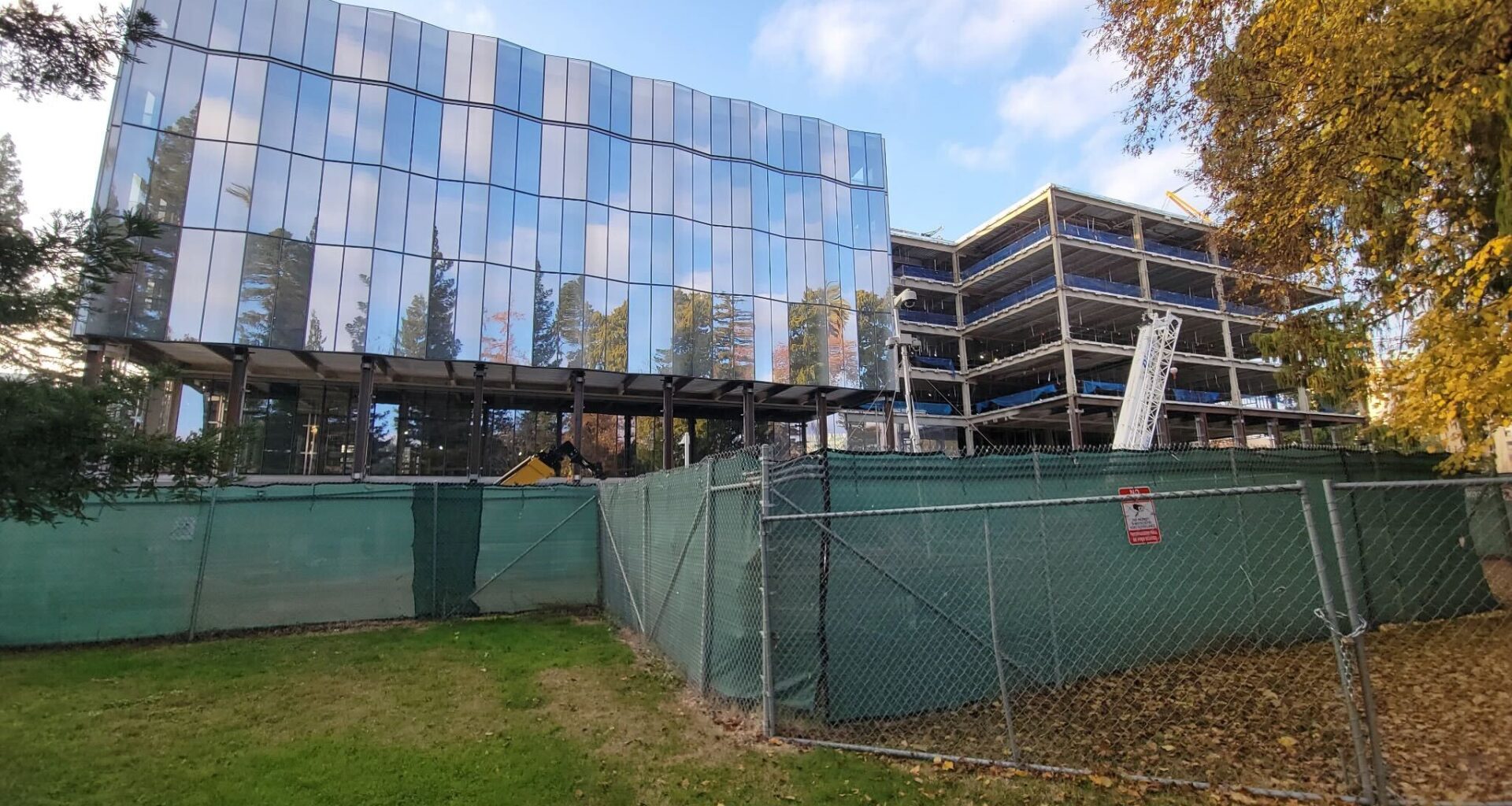
California state lawmakers overseeing the controversial and costly new State Capitol Annex building released this week their first public update on the project in years. The new building and parking garage in downtown Sacramento will be next to the historic State Capitol and have office space for the Governor, legislators, and their staff.
The project’s original cost estimate in 2018 was approximately $543 million — today the total budget for the project amounts to $1.1 billion.
In a letter from the Legislative Joint Rules Committee, which oversees the project, lawmakers indicate the state has spent $518 million so far. The letter also outlined a series of circumstances that have caused delays including litigation, increased construction costs, and the COVID pandemic.
The project has drawn criticism from some lawmakers, environmental groups, citizens and the media who say there isn’t enough cost transparency. Some have also criticized plans to demolish the Capitol’s historic West Steps, a historic gathering spot for protests and celebrations. The last time lawmakers provided a cost update to the public was in 2021.
Democratic Assemblymember Blanca Pacheco, Chair of the Joint Rules Committee, described the update as the first of many. Pacheco said legal counsel advised lawmakers not to speak publicly about the project during a lawsuit that stretched on for four years.
“Prior to this, we went through the litigation process and now we’re ready to tell the story, which is important,” Pacheco said.
“And we’re ready to do regular updates,” added Democratic Senator John Laird who serves as the committee’s Vice Chair. “We’ll do updates as information becomes available.”
But Tuesday’s update was not enough for some Republican lawmakers who say they’ve been left in the dark about project details. Republican Assemblymember Josh Hoover of Folsom said he wants to know if project leaders anticipate additional costs and what those would be.
“I think they’re going to be needing more money from the legislature and I don’t think that’s fair to taxpayers,” Hoover said.
Pacheco indicated they do anticipate costs increasing beyond the $1.1 billion allocated, but neither she nor Laird provided an estimate.
“I would say we’re not prepared to go there yet,” Laird said. “We are within the allocation now, but we really have to see how the second half of the project plays out.”
Lawmakers say construction is 50% completed as of December 2025 and anticipate its full completion in fall 2027.
Local impact
As construction is expected to continue an additional two years, downtown Sacramento residents say they’ve felt the impacts of the long-term construction. The project has limited access to Capitol Park, a popular stretch of blocks for dog-walkers and state workers on their breaks.
Nikki Whitfield has lived near the park for nearly a decade. She was walking her dog, Nala, earlier this week.
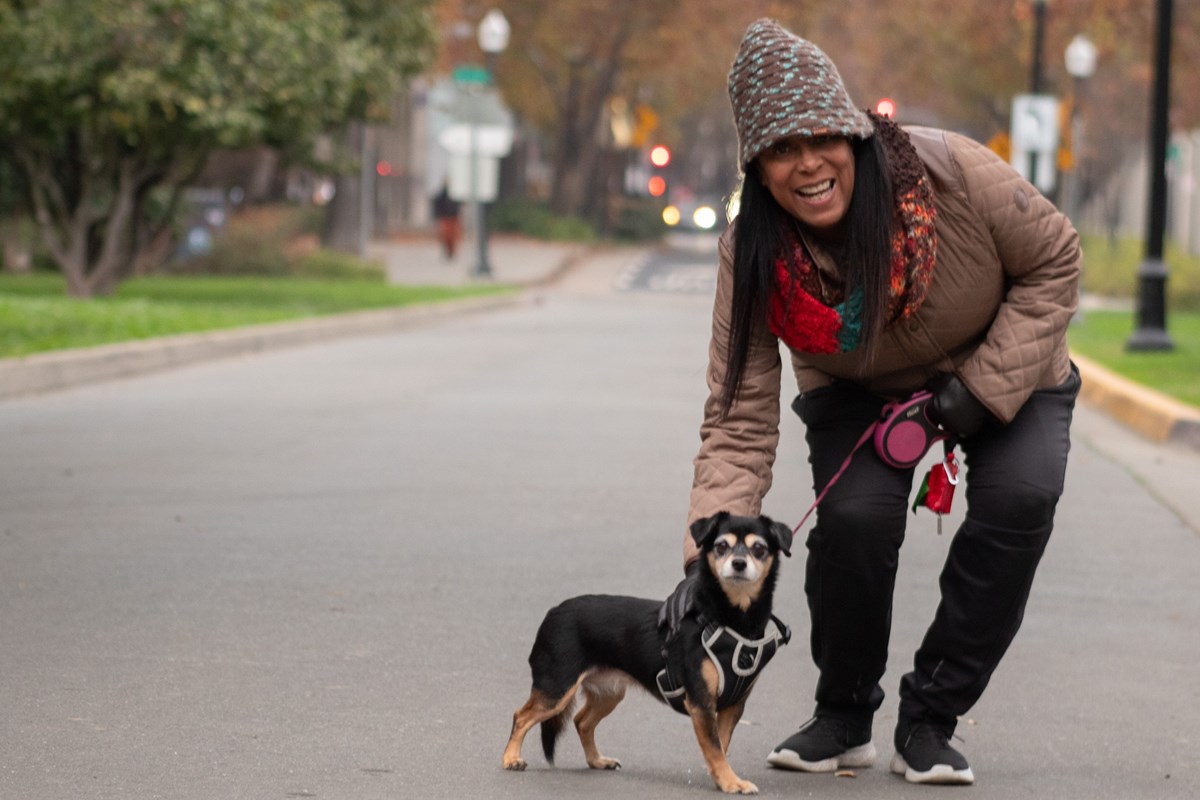 Nikki Whitfield and her dog, Nala, Monday, Dec. 15, 2025, at Capitol Park in Sacramento.Gerardo Zavala/CapRadio
“I actually think they’ve done a really good job of it not being too invasive,” she said. “It hasn’t really affected the flow or how we walk around the park.”
Whitfield said the secrecy and rising cost of the project was disappointing to hear, but not surprising.
“Just walking along the street and even peering through the gates, I can only imagine how much money is going into the project even at this state,” she added.
Leonard Row runs his own photography business and often visits the Capitol for photo shoots. After taking graduation photos on the West Steps of the Capitol building, he likened the construction process to another local project mired in controversy due to delays and cost overruns.
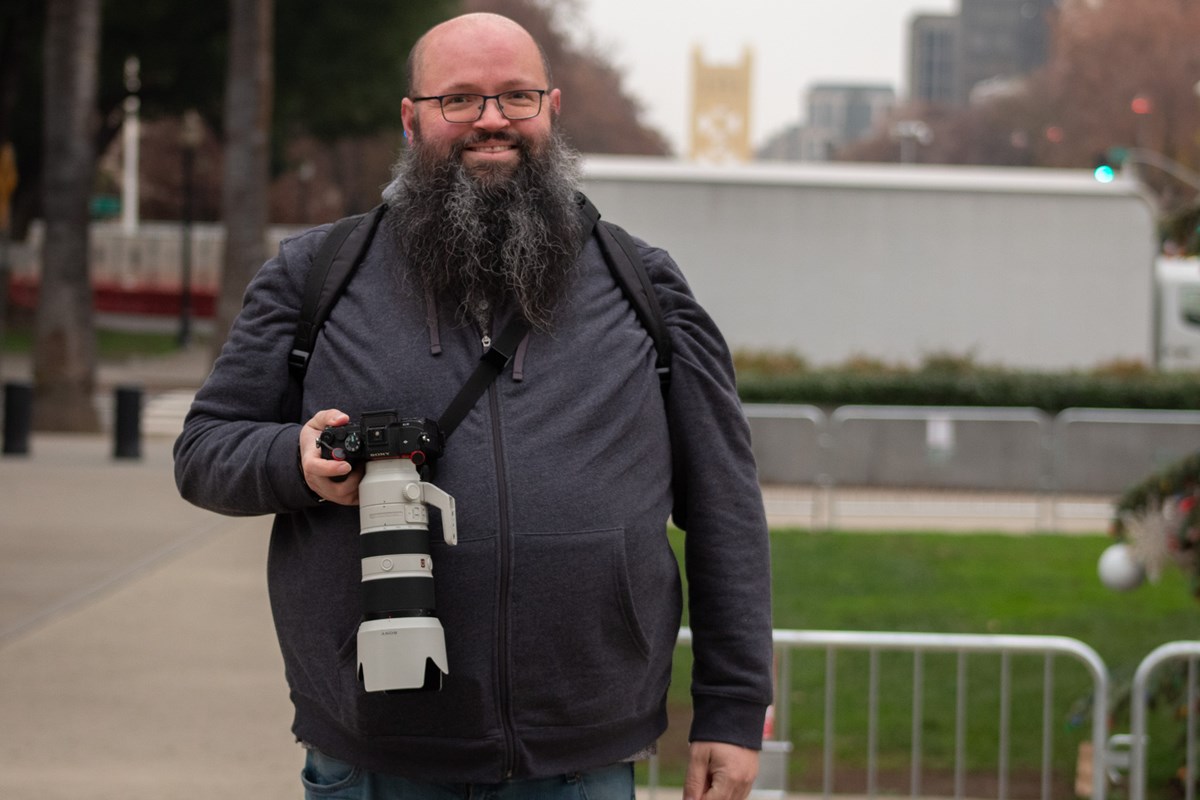 Professional photographer Leonard Row Monday, Dec. 15, 2025, in front of the California State Capitol in Sacramento.Gerardo Zavala/CapRadio
“It’s kind of like our Fix 50 project that keeps on going and going,” he said, referring to the drawn-out Highway 50 widening project in central Sacramento. “We just kind of have to hope for the best.”
Row said the project has also affected his creative process because he was previously able to take photographs on all four sides of the building. Parking has also become a challenge for him and his clients and getting to the opposite side of the park requires crossing busy streets.
Still, he’s found some silver linings.
“We just have to take a longer walk, but that’s okay,” he said. “Everybody needs some extra steps these days.”
Follow us for more stories like this
CapRadio provides a trusted source of news because of you. As a nonprofit organization, donations from people like you sustain the journalism that allows us to discover stories that are important to our audience. If you believe in what we do and support our mission, please donate today.