
What’s at stake?
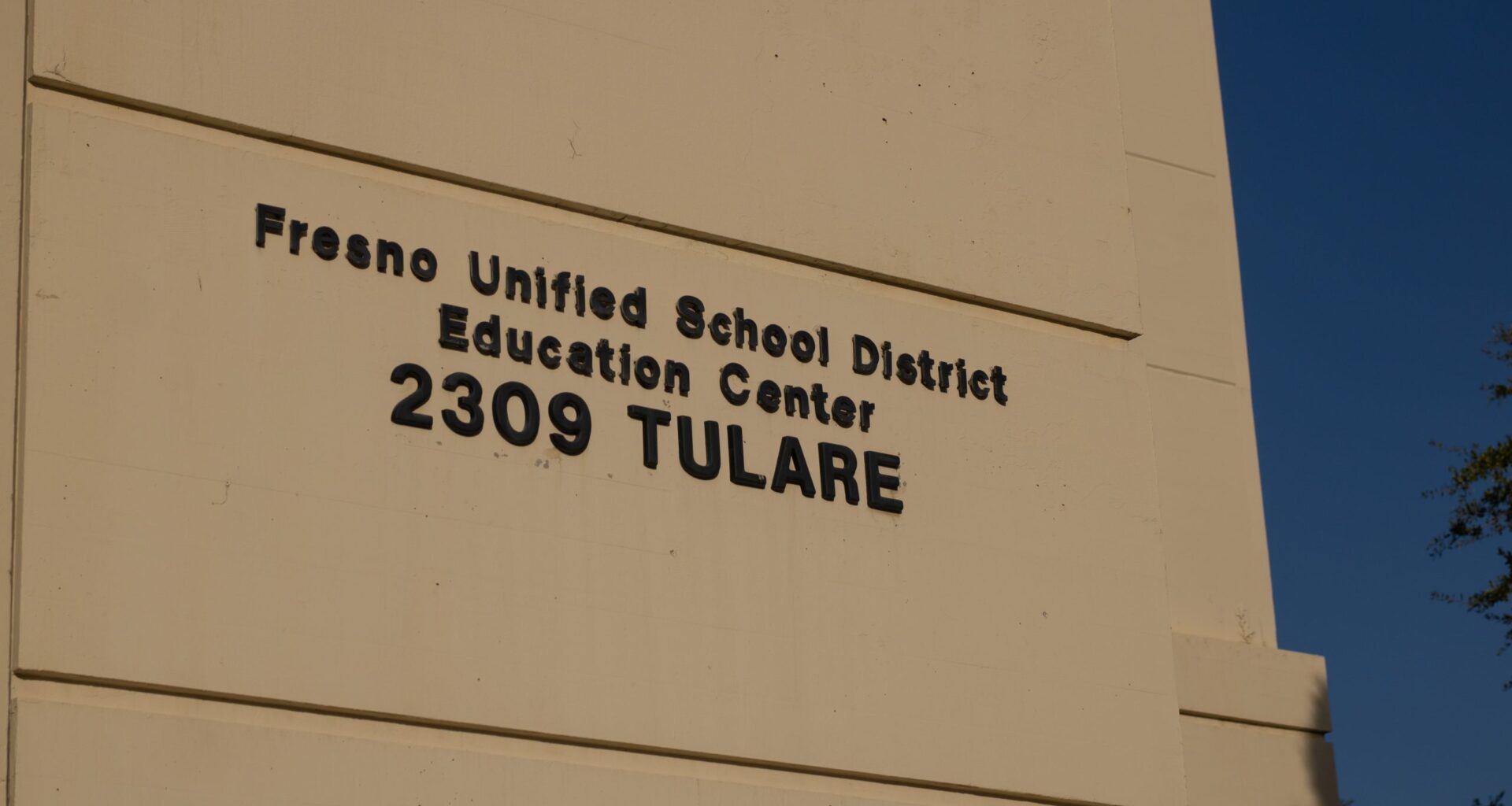
In its last meeting of the year, the Fresno Unified Board of Education approved a retirement incentive that has the potential to save the district over $56 million, but requires the resignation of 573 senior employees by the end of the 2025-26 school year.
Fresno Unified held its last board meeting of the year and approved a retirement incentive that they said could save the district tens of millions in the next five years.
An early retirement incentive by the district in collaboration with Public Agency Retirement Services (PARS) was presented at a meeting early in October. Projections by PARS from October estimate that 459 retirements could save the district $35 million over five years.
At Wednesday’s meeting, a presentation by PARS Executive Vice President Dennis Yu showed that 573 employees signed up for the retirement incentive, raising the district’s projected savings to over $56 million.
Patrick Jensen, the district’s chief financial officer, explained during the meeting that the district’s need for cost reductions of around $50 million this year and another $50 million over the next two years prompted the consideration of a supplemental retirement plan.
“When we came to the board last spring to discuss this year’s budget, the board made some very difficult budgetary reductions last year for this year’s budget,” Jensen said during the meeting.
“We also discussed, due to declining enrollment and low ADA, the need to reduce potentially $25 million in each of the next two years, above and beyond this year’s reductions; that calculus fundamentally hasn’t changed,” Jensen added, saying that the district lost around 1,100 students in this year and anticipates losing an additional 1,200 next year.
How much the district saves over the next few years from the retirement incentive depends on how many positions stay vacant over the next few years.
Additionally, while the projected savings could potentially cover a bulk of the district’s reduction needs, it isn’t without its drawbacks.
Trustee Elizabeth Jonasson Rosas pointed out that though the potential for savings can help in the long run, the departure of hundreds of senior employees saddles the district with a major “brain drain.”
“We have a lot of employees who have a lot of expertise in their field that will be departing, and replacing that knowledge gap is going to be hard and [a] strain on our system,” Rosas said.
On top of this, Jensen explained that the easy part is over with and the hard part for the district will be streamlining itself to ensure that staff numbers don’t increase as student enrollment continues to decrease.
In an interview on Friday, Jensen told Fresnoland that the district is currently in the process of assessing what positions need to be refilled on a case-by-case basis.
“We’re going to be doing that over the next few weeks as we prep for the governor’s budget announcement in January,” Jensen said on Friday.
The incentive was aimed at employees who were at least age 55 with five years or more of consecutive service to the district. PARS identified around 1,900 employees who were eligible for the retirement incentive.
Those who enrolled agreed to resign from their positions by the end of the 2025-26 school year and will receive an equivalent of 80% of their final pay through a tax-qualified annuity.
The district will be paying $9,449,003 each July for next five years, which includes the annuity and fees from PARS. Retirees are expected to receive their payments starting August 2026.
Some Fresno Unified retirees might lose access to Community hospitals
The Fresno Unified Board of Education approved an agreement with insurance provider Aetna to maintain medical coverage for approximately 6,200 retirees and dependents, despite ongoing negotiations between Aetna and Community Regional Medical Centers (CRMC).
If an agreement is not reached before the current contract expires on Dec. 31, CRMC would be out of network for about 1,500 retirees on Medicare who see a primary care doctor at the hospital.
While only around a quarter of retirees may be impacted by the ongoing negotiations between Aetna and CRMC, Jensen explained to the board that the other 75% of retirees will not be impacted by the negotiations and said that approving coverage would prevent a disruption of services.
Moreover, Jensen said that some stipulations in the district’s agreement could allow it to cancel its contract with Aetna if negotiations go south. One of those stipulations is if Aetna isn’t able to maintain coverage with a major hospital in the area.
However, if the district were to cancel its contract with Aetna, Jensen said it would disrupt coverage for all retirees and take six months for a complete transfer to a new provider, which he described as a last resort if an agreement between Aetna and CRMC is not met.
FUSD Board approves student transfer to Massachusetts education facility
At Wednesday’s meeting, multiple board members discussed the district’s transfer of a student to the Judge Rotenberg Education Center (JREC) that will cost the district over $500,000.
According to Patrick Morrison, executive director of the district’s special education department, the high cost comes from a need to monitor the student 24 hours a day along with one-on-one support.
“I’ve been involved with this case for about seven years now,” Morrison said. “I do truly believe that this placement is the best opportunity for this student to gain the skills necessary to live a long and healthy life.”
Located in Canton, Massachusetts, the JREC has faced scrutiny due to its use of a device known as the graduated electronic decelerator.
Invented by the center’s founder, Matthew Israel, the device delivers electric shocks and is used at the center for behavior modification. The center has also been reported to use food and sensory deprivation, restraints and solitary confinement as part of its therapy methods.
According to chief academic officer Carlos Castillo, the district’s contract with the center specifically outlines that the controversial therapy methods will not be used on the student, and stressed that the center was chosen because of the severity of the student’s needs.
“I want to assure the board that staff is aware, but also that the need was very, very extreme for the student,” Castillo said during the meeting.
“We do feel the student is in a safe place, and we’ve already seen some preliminary data that shows promise as to how the student is doing now compared to when they went in,” Castillo added.
Morrison also explained to the board that this is the second historical placement by the district. As required by law, the district checks in with the student four times a year through confidential phone calls and physically visits the facility at least once a year.
Related