
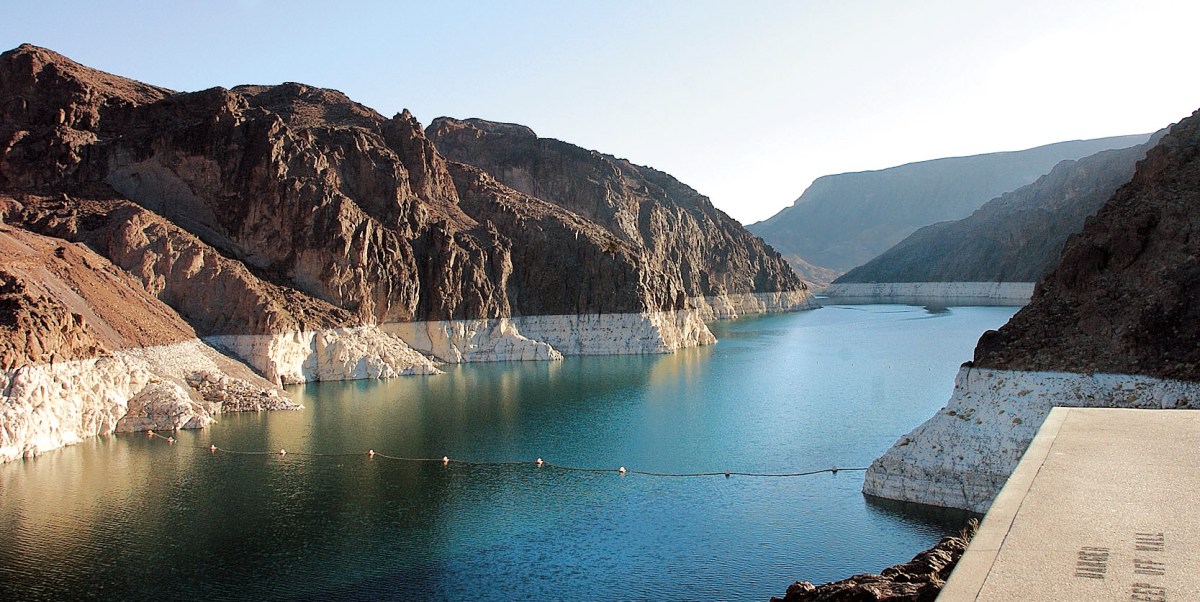
California is poised to see its lowest use of Lake Mead water in 75 years this year, a milestone achieved through sweeping conservation efforts and amid negotiations over the future of the drought-stricken Colorado River system.
California’s 2025 draw on Lake Mead is projected to reach just 3.76 million acre-feet—the smallest volume since 1949—even as the state’s population has grown significantly, the Colorado River Board of California announced in a statement on Tuesday.
“California is leading with constructive action,” JB Hamby, chairman of the Colorado River Board of California, said. “We are doing our part and we invite every state to join us in this shared responsibility.”
Newsweek has contacted the Colorado River Board of California via email for comment.
Why It Matters
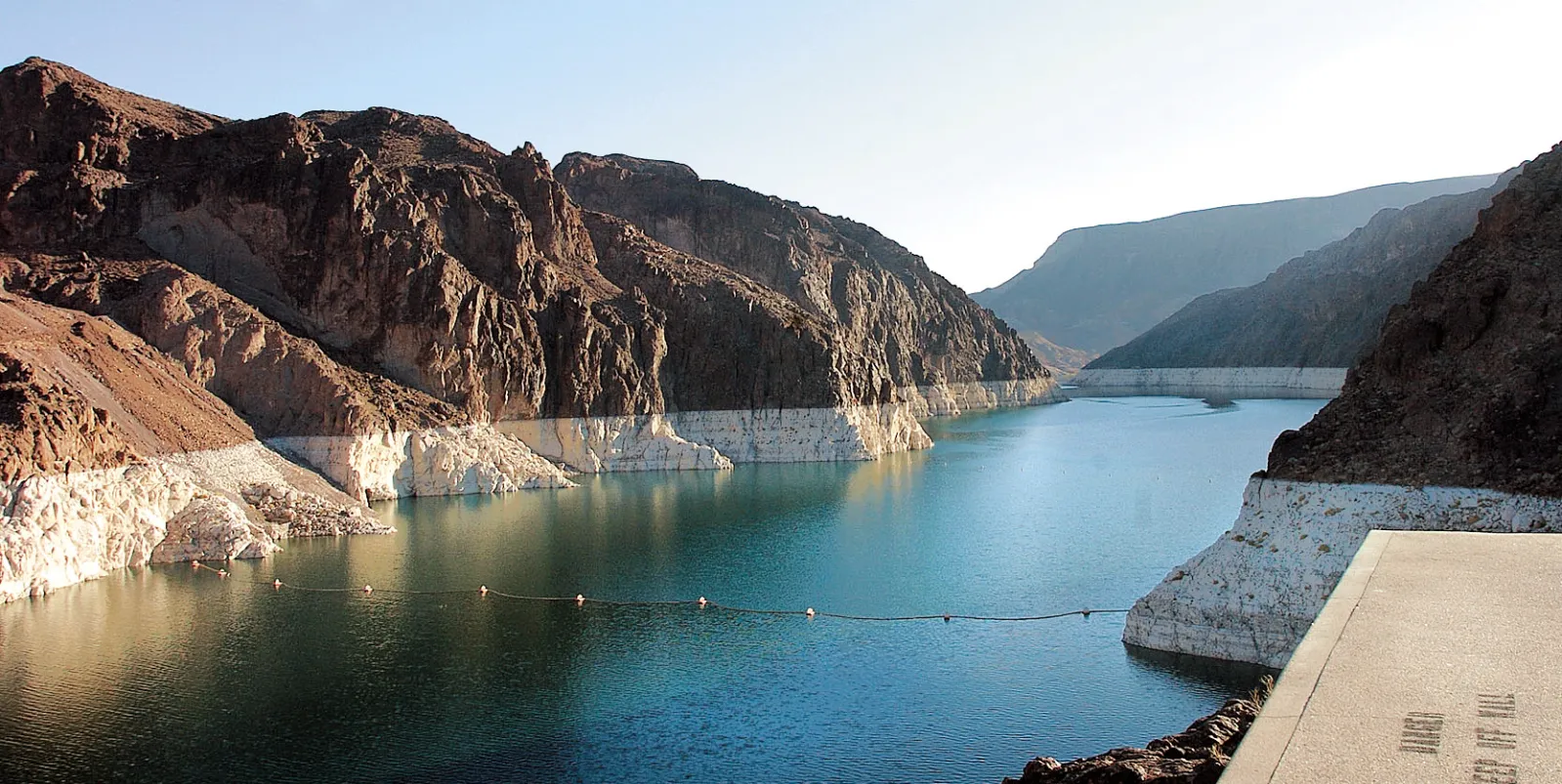
Lake Mead provides drinking water to around 25 million people, meaning its falling levels pose a significant problem to tens of millions of Americans in the area.
Its persistent decline—driven by drought, intensifying climate pressures and decades of over-allocation—threatens water security for households, businesses and agricultural industries across the Southwest.
The current rules for managing the water levels are set to expire in October next year, prompting states and experts to call for action now so that new rules can be drawn up before regulation returns to that of the 1970s.
What To Know
At the December 2025 Colorado River Water Users Association conference, California officials announced the state is set to use just 3.76 million acre-feet of Colorado River water.
This marks the lowest usage since 1949 despite the state’s explosive growth, with municipalities like Los Angeles and San Diego dependent on the river for drinking water and the Imperial Valley for agriculture.
Leaders cite decades of investments in urban water efficiency, farmland fallowing, canal lining, wastewater recycling, and the adoption of drip irrigation for crops.
These conservation milestones come as federal data projects that Lake Mead could reach its lowest recorded level by 2027, prompting warnings from experts and new urgency for regional water cuts.
 What People Are Saying
JB Hamby said in a statement: “We have reduced our water use to the lowest levels since the 1940s, invested billions to modernize our water systems and develop new supplies, partnered with tribes and agricultural communities, and committed to real water-use reductions that will stabilize the river.”
California Natural Resources Secretary Wade Crowfoot said: “The future of the Colorado River is vital to California – and our nation. As the fourth largest economy in the world, we rely on the Colorado River to support the water needs of millions of Californians and our agricultural community which feeds the rest of the nation.
“California is doing more with less, maintaining our economic growth while using less water in our urban and agricultural communities.”
What Happens Next
While these measures have produced significant milestones, conservationists are pushing more aggressive measures—such as large-scale water recycling and land-use changes—may be required to protect Lake Mead in the long term.
As existing rules expire in 2026, further regional collaboration and decisive adaptation will determine whether a stable water future is possible for the American West.