
Health insurance costs to double for millions of Americans | California Politics 360
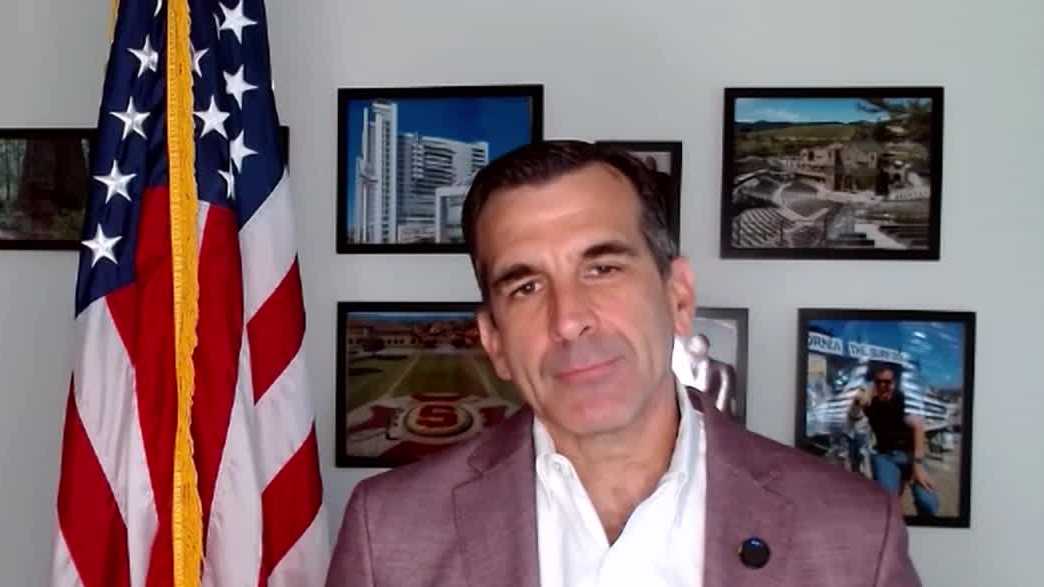
Health insurance premiums are set to increase pretty dramatically for 20 million people on January 1st as the enhanced Affordable Care Act subsidies expire. Democratic Congressman Sam Ricardo joins us now on California Politics 360. Thank you so much for being here. Great to be with you, Eddie. So Representative Ricardo, you introduced *** proposal teaming up with *** Republican Representative Kevin Kiely called the Fix It Act. Just very briefly, what does your bill do and what’s the status? Well, we drafted this and launched it during the shutdown, hoping to break this impasse, uh, essentially it would extend the tax credits, uh, that 22 million Americans depend on to help pay for their, Insurance premiums, extend them 2 years. It pays for the cost of those extensions by reforming reimbursement formulas with insurance companies essentially going after excess insurance payments and also contains *** lot of anti-fraud provisions that many Republicans wanted. So we thought we had *** good compromise. Many Republicans joined us. In *** bipartisan effort and as we know, the momentum of the House has changed in different ways. So it looks like we have *** straight 3 year extension going to the Senate. I would expect after the House approves it in January, I expect the Senate is going to come back and look at compromises like this before they get anything passed. So let’s talk about some of the proposals that are floating around. Republicans, including the president, have been proposing an alternative where the government would put money into health savings accounts. People can decide how to use that money. Do you feel like that’s an acceptable replacement for these subsidies that are expiring? Well, HSAs can be very helpful, that is health savings accounts can be very helpful, but there are no replacement. The reality is that if someone is hit. With *** very substantial bill, perhaps they’ve got *** cancer diagnosis or *** chronic illness of some kind, that $1000 or $1500 is going to go pretty fast. What they need is insurance, and they need access to insurance, and that’s why the ACA, I think, created, was created essentially to enable more folks to join the pool and hopefully if you get enough younger, healthy people in that insurance pool, it reduced the cost for everybody. So I think that’s one of the problems we’re looking at right now, right, because monthly premiums are expected to more than double. Many Californians are expected to just give up their insurance because they can’t afford it. So this does impact everyone, not just those who get their insurance through Covered California. If you can talk about the broader impact and the costs. Sure, I mean, the most acute impacts will be to those 22 million Americans who will see their, uh, who are seeing their premiums double starting in January, uh, *** little more than double. Probably 2 to 3 million of those folks are going to choose not to sign up simply because the costs are too high. Uh, those are gonna be younger, healthier people that will, would have reduced the cost burden for all of us. According to the Congressional Budget Office, that means all of our premiums will be 5% higher on average because we no longer have as healthy an insurance pool. So all of us bear the cost for the failure to bring more people into the ACA insurance pool. That’s why we need to extend the tax credits and we need to find an affordable way to do it, that is without worsening our deficit. That was the point of our bill. Let’s talk quickly about the political impact because healthcare is so personal. There may be *** lot of scared, angry people as these subsidies end in 2 weeks. In fact, we saw 4 Republicans vote with Democrats to force that vote that you were talking about to extend subsidies. Are they worried politically? Well, there’s *** lot of worry. I’m hearing it from many Republican colleagues in particular. one, Mike Lawler, said publicly that what the Speaker was doing is political malpractice. I think he’s right. Uh, the truth is Americans of all parties are being hurt. In *** severe way here and we need to step up with *** solution. Whether it’s my solution that I worked on with Kevin or *** different one, probably matters less than that we have *** real solution rather than *** health savings account, which is no solution. We have just *** short time left, but you mentioned that you will be voting next month, likely on the 3 year extension. By then, subsidies will have expired, so what do you want people to know? Yes, well, I expect that this will pass the House. It will stall in the Senate, and the Senate is going to have to come up with *** compromise. So I’m working hard with colleagues in the Senate to see if we can get to *** space where we can include some cost savings with extensions so we can actually help folks, but it means everyone’s going to feel the pain in January, OK, and we’re going to need to find ways to extend. The period in which people can actually sign up for insurance on the ACA exchanges to be able to incorporate what we hope will be lower rates once we can get *** tax credit extended. All of that depends on whether or not we can get action in the Senate. OK, still so fluid. Congressman Ricardo, thank you so much for joining us on California Politics 360.
Health insurance costs to double for millions of Americans | California Politics 360

Updated: 8:25 AM PST Dec 21, 2025
Health insurance costs will more than double for 22 million Americans on January 1, 2026, as Congress voted down an extension of a key subsidy. Enhanced Affordable Care Act (ACA) premium tax credits have significantly lowered the cost of premiums. Without Congressional action, they will expire at the end of the year, leaving enrollees to pay a much larger share of their costs. A compromise bill emerged from two California representatives this fall. As a congressional stalemate over whether to extend the subsidies led to a government shutdown, Republican Rep. Kevin Kiley and Democratic Rep. Sam Liccardo introduced a proposal called the “Fix It Act.” Their goal was to break the impasse by extending the tax credits for two years and paying for those credits through various insurance reforms and other measures. What the House will likely vote on instead is a three-year extension pushed by democrats and a handful of republicans who teamed up to use a procedural move to force a bill to the House floor. House Speaker Mike Johnson declined to hold that vote before representatives left for the holiday recess. “We thought we had a good compromise, many Republicans joined us in a bipartisan effort, and as we know, the momentum of the house has changed in different ways,” explained Liccardo in an interview on California Politics 360. Without the enhanced subsidies, Liccardo and many health industry experts believe two to three million Americans will lose their health insurance. They won’t be able to afford the premiums as the costs more than double. That group is expected to be a largely younger and healthier segment of the current enrollees. With fewer people left in the insurance pool, Liccardo warns that premiums will rise for everyone, not just those who get their health insurance through the ACA. “That means all of our premiums will be 5% higher on average, because we no longer have as healthy an insurance pool,” Liccardo said. “So all of us bear the cost for the failure to bring more people into the ACA insurance pool.” Liccardo noted that representatives on both sides of the aisle are feeling political pressure over this issue, and he said he’s especially hearing that from his Republican colleagues. He said Americans in both parties will be “hurt in a severe way” by the steep increases in the cost of their healthcare, and may vote out the politicians they hold responsible. As for what’s next, Liccardo expects the House will pass the three-year extension of the enhanced premium tax credits in January, after those subsidies expire. He expects the bill will then stall in the Senate, and they will have to continue to work toward a compromise. “I’m working hard with colleagues in the Senate to see if we can get to a space where we can include some cost savings with extensions so we can actually help folks, but it means everyone is going to feel the pain in January,” Liccardo said.This story was produced for California Politics 360, which reports in-depth coverage of top California politics and policy issues. Get informed each Sunday at 8:30 a.m. on KCRA 3.See more coverage of top California stories here | Download our app | Subscribe to our morning newsletter | Find us on YouTube here and subscribe to our channel
Health insurance costs will more than double for 22 million Americans on January 1, 2026, as Congress voted down an extension of a key subsidy.
Enhanced Affordable Care Act (ACA) premium tax credits have significantly lowered the cost of premiums. Without Congressional action, they will expire at the end of the year, leaving enrollees to pay a much larger share of their costs.
A compromise bill emerged from two California representatives this fall. As a congressional stalemate over whether to extend the subsidies led to a government shutdown, Republican Rep. Kevin Kiley and Democratic Rep. Sam Liccardo introduced a proposal called the “Fix It Act.” Their goal was to break the impasse by extending the tax credits for two years and paying for those credits through various insurance reforms and other measures.
What the House will likely vote on instead is a three-year extension pushed by democrats and a handful of republicans who teamed up to use a procedural move to force a bill to the House floor. House Speaker Mike Johnson declined to hold that vote before representatives left for the holiday recess.
“We thought we had a good compromise, many Republicans joined us in a bipartisan effort, and as we know, the momentum of the house has changed in different ways,” explained Liccardo in an interview on California Politics 360.
Without the enhanced subsidies, Liccardo and many health industry experts believe two to three million Americans will lose their health insurance. They won’t be able to afford the premiums as the costs more than double. That group is expected to be a largely younger and healthier segment of the current enrollees. With fewer people left in the insurance pool, Liccardo warns that premiums will rise for everyone, not just those who get their health insurance through the ACA.
“That means all of our premiums will be 5% higher on average, because we no longer have as healthy an insurance pool,” Liccardo said. “So all of us bear the cost for the failure to bring more people into the ACA insurance pool.”
Liccardo noted that representatives on both sides of the aisle are feeling political pressure over this issue, and he said he’s especially hearing that from his Republican colleagues. He said Americans in both parties will be “hurt in a severe way” by the steep increases in the cost of their healthcare, and may vote out the politicians they hold responsible.
As for what’s next, Liccardo expects the House will pass the three-year extension of the enhanced premium tax credits in January, after those subsidies expire. He expects the bill will then stall in the Senate, and they will have to continue to work toward a compromise.
“I’m working hard with colleagues in the Senate to see if we can get to a space where we can include some cost savings with extensions so we can actually help folks, but it means everyone is going to feel the pain in January,” Liccardo said.
This story was produced for California Politics 360, which reports in-depth coverage of top California politics and policy issues. Get informed each Sunday at 8:30 a.m. on KCRA 3.
See more coverage of top California stories here | Download our app | Subscribe to our morning newsletter | Find us on YouTube here and subscribe to our channel