
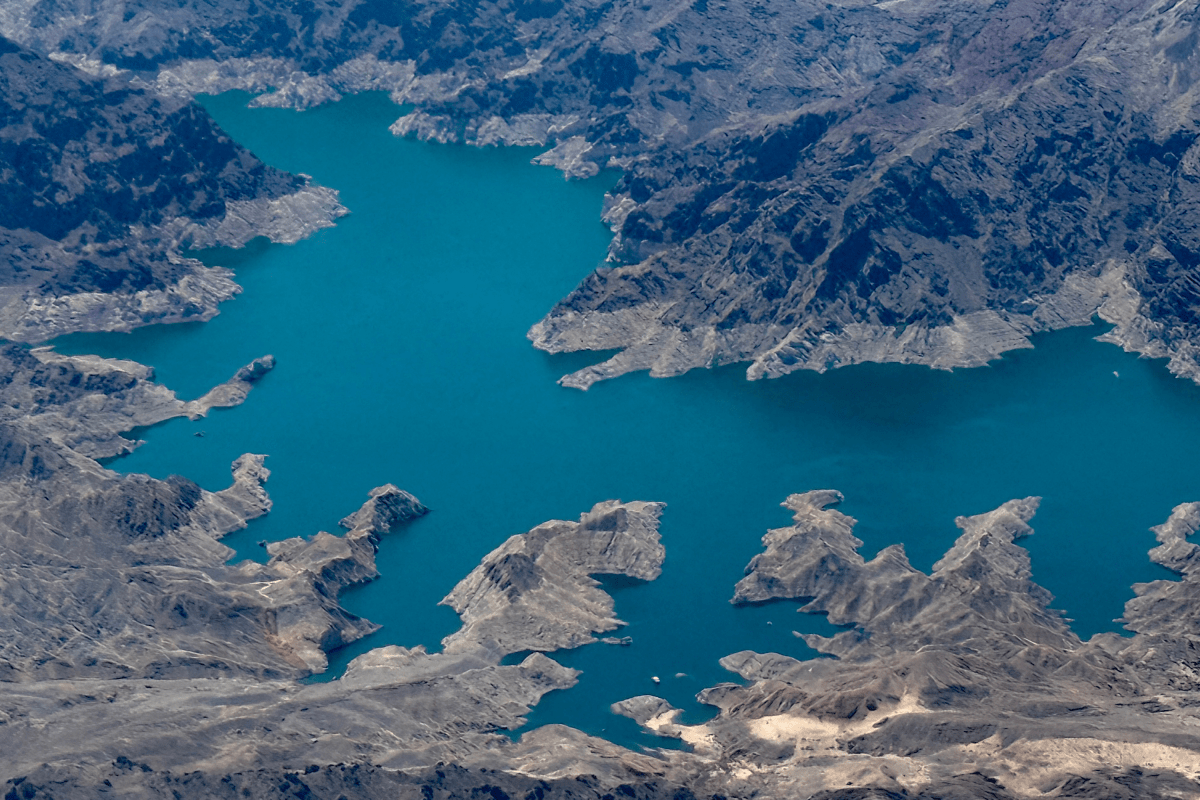
Lake Mead’s water level rose about 3 feet above projections in December, following significant November rainfall in California.
Why it Matters
The Colorado River, which feeds Lake Mead, is under unprecedented strain from drought, over-allocation, and climate change. The lake, which is America’s largest reservoir, supplies water to 25 million people and supports major agriculture in California, as well as communities in Nevada, Arizona, and Mexico. A recent rise in its levels, driven by California’s heavy rains, offers only temporary relief.
States remain deadlocked over how to share the river’s shrinking supply ahead of a February deadline for a new agreement. Failure to reach consensus could trigger federal intervention or costly litigation, jeopardizing water security and economic stability across the Southwest.
 What To Know
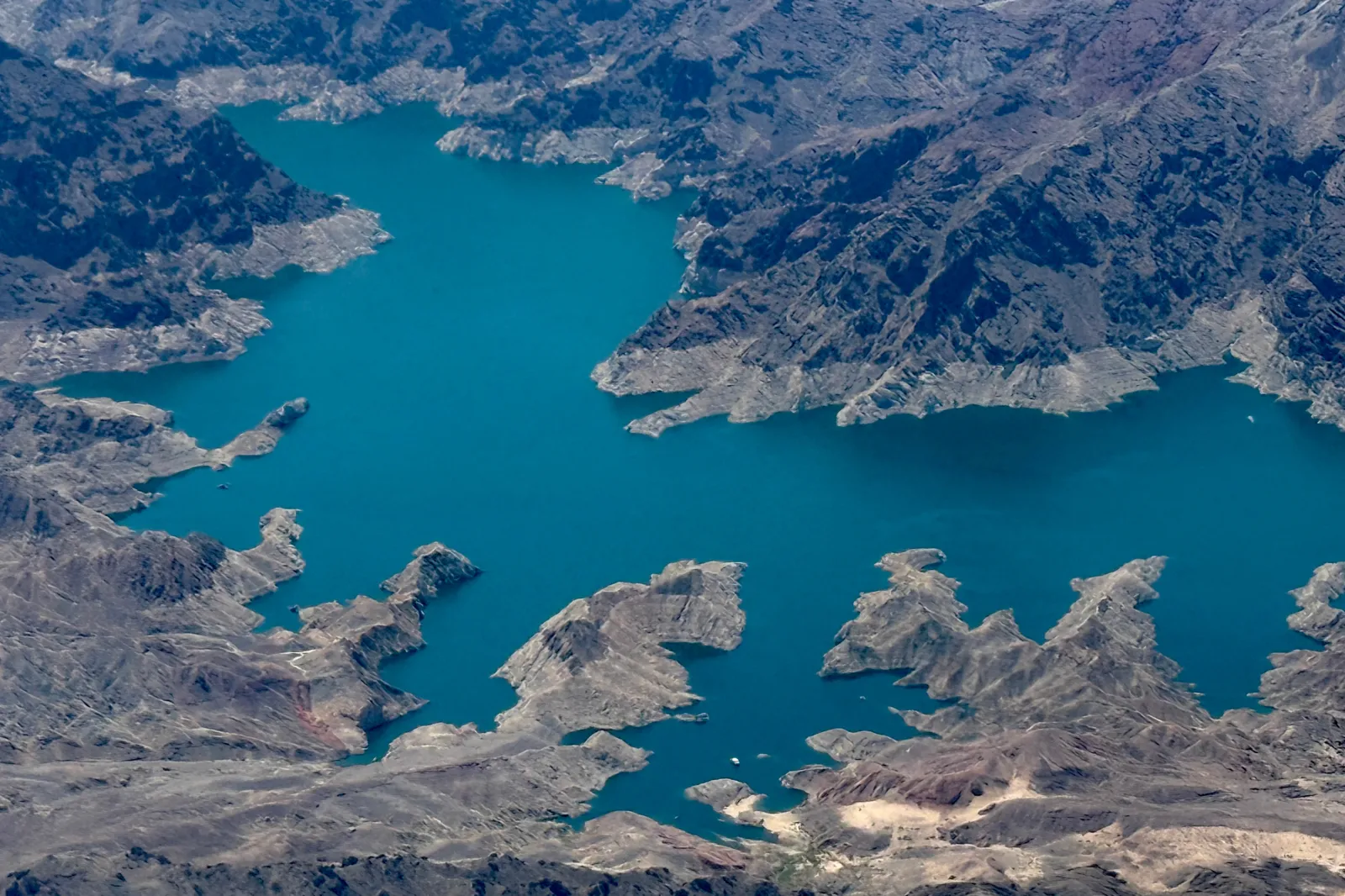
According to 8 News Now, a Nevada news outlet, the Bureau of Reclamation reported that in December that Lake Mead’s water levels are now expected to be around 1,062.86 feet above sea level—up from its previous projection of 1,059.60 feet. This is due to the November heavy rains in California, which reduced demand downstream, allowing the lake to retain more water—about 72 billion gallons, according to the bureau, which is more than all of southern Nevada’s anticipated 2025 water use.
In a related development, California officials announced earlier this month that the state is on track to draw just 3.76 million acre-feet of Colorado River water in 2025—the state’s lowest draw from Lake Mead since 1949, despite significant population growth and agricultural demands. State leaders attribute this to decades of investment in urban water efficiency, farmland fallowing, canal lining, wastewater recycling, and the adoption of drip irrigation.
What People Are Saying
Las Vegas outlet 8 News Now confirmed that a Bureau of Reclamation spokesman said: “Following significant rainfall in November, downstream water orders were reduced. In addition, coordinated operational adjustments at Hoover, Davis, and Parker Dams—made in collaboration with water users and the Western Area Power Administration—led to improved conditions at Lake Mead in December.”
JB Hamby, chairman of the Colorado River Board of California, said: “We have reduced our water use to the lowest levels since the 1940s, invested billions to modernize our water systems and develop new supplies, partnered with tribes and agricultural communities, and committed to real water-use reductions that will stabilize the river.”
Wade Crowfoot, California natural resources secretary, emphasized the river’s national importance: “The future of the Colorado River is vital to California—and our nation. As the fourth-largest economy in the world, we rely on the Colorado River to support the water needs of millions of Californians and our agricultural community, which feeds the rest of the nation. California is doing more with less, maintaining our economic growth while using less water in our urban and agricultural communities.”
What Happens Next
The next months will determine whether the temporary gains from rainfall can be sustained. The decisions made in early 2026 are likely to shape water security for tens of millions throughout the Southwest for years.