
Lawmakers defend use of non-disclosure agreements in Capitol Annex Project | California Politics 360
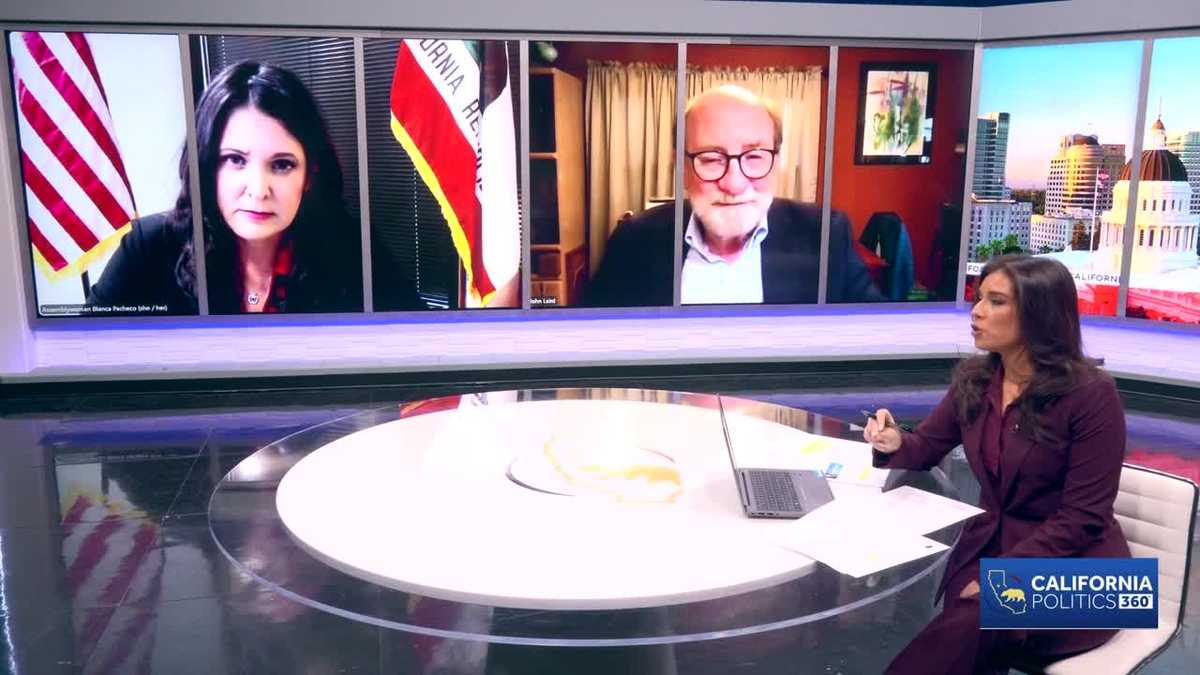
Joining us now are the leaders of the California Legislature’s Joint Rules Committee, the people overseeing the Capitol annex project, assembly member and chair of this committee Blanca Pacheco, and the vice chairman state senator John Laird, thank you both so much for joining us today. Great. Thank you, thank you for inviting us. uh, this is, uh, timely, and I appreciate, uh, you inviting both Senator Laird and myself. So you both agreed and wanted to come on to provide an update on the Capital annex project. What can you share with us today? What would, what would you like to know? Well, uh, the main question that I’ve been asking is how much is the project going to cost taxpayers. So, uh, this is an ongoing project, as you’re aware, uh, 1.1 billion was allocated for this project and as of today’s date 518 million is the actual cost of the project. So the price tag went from $1.1 billion to now $518 million. No, the $1.1 billion is the total authorized. The $518 million is what has been spent of it thus far. OK. And how much is this project overall? Estimated to cost. I’ll let *** senator answer that. We’re within the $1.1 billion allocation. OK, so you don’t expect any cost increases at all given that the $1.1 billion allocation was provided in 2021 or 2022. Correct, we are looking at, um, seeing what are the accurate figures. So this, uh, this interview is, uh, *** first of many, and we will be providing, uh, updates as they become available. So will the figures change? Yes, the figures will change, and we will provide them to you as we get the information because we believe it’s also important for us to be transparent. So, just, OK, so just to confirm. You don’t have an estimated cost update on this project right now in this very moment that you can provide that is the most accurate reflection of how much this building. Could cost we are providing it and we just did. It’s ***, it’s *** $1.1 billion allocation. We are within that allocation. We have actually spent $518 million to date. And there have been changes and there have been challenges, but we are at this point within the allocated amount that it will change as we continue to spend and it moves toward the $1.1 billion total authorization. And I just again wanna remind you Ashley that we will be providing uh because this again is just one of many conversations that we will be having. I guess which is why I’m confused because you’re assembly member Pacheco, you’re already acknowledging that the figures are going to change, which is why I’m wondering how this could, could be an update. Um, we’ve known that 1.1 billion has been allocated. Um, we are getting, I acknowledge the update that you’ve spent 518 million. But, but I guess, I mean, what is there’s some confusion here and it’s not ours. It’s basically that we have spent $518 million and that number will change as we spend more toward the $1.1 billion that is authorized. So is it likely that the 1.1 billion right now that is estimated and allocated could that number expand? It could expand, uh, but, uh, we will, you know, as the project continues, we will provide you with more of an update as to how things are going and how, how the, the budget may change, but we will be providing you with that information. I just wonder, you know, I’ve been asking both of you, your committee, for this information for the last year or so, and, and I wonder why now. Why now, um, it is important for us to share that information and for us to be transparent as *** reminder, we had to deal with nearly 4. Years of litigation and we had been meeting and we had been developing *** plan and getting the accurate figures for you and so now we’re ready to provide you with that information and we’re doing it before even the new year began because we thought it was important for us to be transparent and for us to be here to share that information you mentioned the lawsuit which um was essentially. I mean it took, as you mentioned, years uh the Department of General Services was found um by uh Sacramento appellate court to have not provided the public with an accurate project description or *** thorough analysis of how the demolition of the old. Annex building would impact the historical resources and aesthetics. Um, that’s what the Third District Court of Appeals said back in 2022. The department also failed to properly analyze alternatives such as renovating the existing building or choosing *** design. That minimize destruction and as the fight over these elements continued, the legislature exempted this project from SEA so that this argument could not play out and so again this was from 2022 and there was not *** single hearing, there was not *** single public update. The Capitol annex website is still, I mean, completely stagnant with old information. Um, what, what has been, what has been happening for the last few years that you couldn’t even provide this, this basic update today of how much has been spent, how much has been allocated, just some sort of check in with taxpayers on this, and that’s why we’re here today. It’s important for us to be transparent and important for us to provide the most accurate information and as *** reminder, I was not in the state legis. Later, uh, when this project began, I just recently, uh, came into this role, uh, as the chair of joint rules, and we wanted to make sure that we had the accurate information. We wanted to make sure we had the figures that we could present, and it’s at this time that we are ready to present that information and I can’t speak about the past, but I can speak about, uh, from now going forward. And I would add that the uh. During the litigation, uh, that really paused the updates on the, on the website, and now we are committed to updating it and, and it will be updated regularly going forward. But that litigation has been over for more than *** year. Again, I mean, what was happening this past year that these updates couldn’t have happened? It’s less than *** year, but that’s neither here nor there. The point is, the litigation paused it. When did, excuse me, sorry, Senator Laird, when did the litigation end, because it’s my understanding that in October is when essentially the Supreme Court of 2024 sided with you. It might have, but the lawsuit wasn’t settled until later, and I believe it was January of this year. So, OK, so I, I, the 518 million that oh yeah, I was just going to say let’s not quibble over. The precise date that the litigation, uh, ended, the real point is, is that it ended and, and at that point, we could gather the numbers together and get them ready to do exactly this and, and feel comfortable that we’re given *** clear, uh, accounting of, of where we are and we’re making the commitment. That going forward there will be regular updates. The web page will be updated and, and we will make sure that the public hears on *** regular basis where this project stands. OK, can you say how soon the website will be updated? We’re gonna get it updated as soon as possible. Uh, right now actually our, our focus is on getting this, uh, annex building built, but we are gonna be updating and you’ll see it within, within the next month or so. OK, so I’ll, I’ll move on just um from, from this segment of the discussion um to different aspects of the project that we’ve at least tried to report on earlier this year your committee did confirm that an addition was made to the project in 2020 to include separate hallways for lawmakers that could allow them to avoid the public, uh, as they move through the building. What more can you tell us about that and how much is that costing? Uh, so there are secure hallways, um, for this is for legislators and for staff, and this is to keep, uh, legislators and staff safe after what we saw in their insurrection on January 6th, we saw that it was important to keep, uh, legislatures and, uh, their staff safe. And also I just wanna remind you, uh. Legislators will always be available. uh, we are available, uh, in our offices we are available in our committee rooms. We are, we are open we are transparent and we’re here for the public, uh, but we also have to make sure that our capital is safe because, um, I just wanna remind you we have many visitors that come to the Capitol. We have children that also take tours at this Capitol and so we just wanna make sure that our capital is safe and secure for everyone. And I think that there were updates made to the project after the January 6, 2021 experience in Washington DC. That was *** lesson. About security and so without going into detail because then we’re talking about the security measures we took, there were security changes made after the January 6th event, right? And there was no public hearing on those changes and taxpayers did not learn about them until *** group of lobbyists apparently heard it from the former Senate pro tem. So I, I, I just wonder with that, I mean, can you, can you shed any light again on the cost of those added security measures and what. Other broad, I, I understand Senator Laird for security reasons you can’t say everything, but what else those security measures entail. So I can’t go into full detail what these security measures are, uh, because of course you know these are security measures which, uh, we cannot share with the public, but what I can share is the the cost of these security measures is 64 million. $64 million total. OK. Um, that decision on the secure corridors, um, the security measures again among apparently many others were made behind closed doors. Um, what other major changes have been made to this project that you can share with us? Uh, there have been no other changes from the original design. What about the West Side Visitor Center? Uh, so at this time, uh, because of litigation and we had to put *** halt on the, the annex project, uh, we are not pursuing the visitor center at this time. The focus will be on the annex project, uh. Will it be revisited at *** later time? The visitors center may be revisited, but at this time our focus is just on the annex project, getting it built, and making sure that no further delays are caused, and so that we are saving taxpayer money. So the. Visitor center was part of the $1.1 billion allocation. So uh that sort of circles me back to the uh my very first question about the cost of it with that eliminated. Um, is that still? I mean, *** suggestion that the parking garage and the Capitol annex building are still going to cost more than you all expected it to in 2022. The, there were $5 million of planning costs for the visitor center that were expended even though the project has been paused. And uh while there are no changes other than the security measures that are significant since the, um, the plan was approved in 2021 before both of us were, were doing this. Um, we’re within the budget and the, the allocated amount at this point, and yes, there have been some ups and downs due to different things where, where there might have been, uh, uh, some savings and might have been some additional expenditures, but we’re still within the authorization. OK, so the visitor center completely off the table. I know you’re saying at this time, but I think there are. I know opponents of the project who’ve wanted *** solid answer from you, something in writing. I mean, is, is the West Side Visitor Center. I mean something that the state can even afford at this point, um, in the future. We don’t know, uh, what’s gonna happen in the future so it’s hard to predict what’s gonna happen in the future, uh, but what we, we can, um, what we can do right now is get that annex project built. I, I want to ask about the handling of public records by your committee, the Joint Rules Committee, again overseeing this project, but I do want to start with the 2000 nondisclosure agreements that are in place on this project which both of you have signed, agreeing to keep broad information about this project *** secret. Will those remain in place as this building is being built? So I just wanna start off with explaining why there we have NDAs with respect. This project, uh, this project, uh, also contains some security measures that could not be shared with the public. Uh, this is the people’s, uh, building, uh, this is where the legislature is housed. This is where the governor will be housed, and this is where we’ll have many visitors come, and sometimes this, uh, security information. Uh, needs to be confidential to keep everyone safe and secure. This is *** unique building and so because of that, anybody that is involved with the project and receives this confidential information, the security information, uh, these are the individuals that signed the NDAs. I have *** copy. And secondly, let me, let me just finish and, and add to that. Uh, secondly, the major contractor does subcontracts all the way through this process. And those subcontracts are subject to bidding, and there’s *** real desire that there be *** way that information that doesn’t influence those bids or put the sum, thumb on the scales is not fed to people that might be submitting bids, and that’s the second half of the reason for those. OK, so you both have mentioned security and bids, but I have *** copy of the nondisclosure agreement right here, and, and nowhere does it actually say either of those words. In fact, it, it says, you know, the signee would warrant that I shall maintain in strict confidence any documents, diagrams, information. Information storage media and data made available to me in connection with any services I may perform in connection with this MOU, which is the NDA. Why, why not change this NDA to say what the two of you are saying right now about security and bids? So, uh, these are drafted by, uh, legal counsel, and so I cannot say why legal counsel were drafted in such *** manner. Sometimes legal counsel prefers to have broad language, but we’re explaining to you the rationale behind why these NDAs were signed. And it covers those subjects even though they might not be named specifically, and your question said, why don’t we talk about broad things? We’re here to talk about the broad things. We are talking about the broad amount of month, broad expenditure of money and other things, but we are not talking about the specifics of what the security measures were. We’re not talking about something that might influence *** subcontracting bid, right? If you’re able to talk about the broad things, then, then why does this NDA. Cover in strict confidence any documents, diagrams, information, information storage, media, and data. I mean it doesn’t say related to security related to bids. It says broadly and I mean, and Senator Laird, I mean why should taxpayers and the public trust either one of you when you have signed these NDAs legally agreeing and legally, uh, essentially threatening anyone who does share any information storage media documents, diagrams related to this project. But if you read that, you, go ahead, if you read that, that’s really specific and that is really specific to the, the drawings and those kinds of issues. We are as elected officials entitled and obligated to speak to the higher level of the policy measures that are involved in this, and that is why we are here today telling you exactly how much has been spent. And exactly what the budget is and talk about the broad issues about how the construction has been and and the other questions that you’re asking. I’ve, I mean, I’ve been asking for public records, submitting Legislative Open Records Act requests for just, I mean, financial statements, documents, change orders, different things that could help demonstrate and, and even back up some of what you both are saying today, but your committee. In some cases has ignored those requests and and still I mean hasn’t given given us any of the most recent documents um and not only that with with the the the stones, um, the $5.2 million worth of stones that were quarried in California then shipped to Italy, then shipped back here for the facade of the building, I simply asked for documentation that that was the cheapest way. To go and I never ever got that. So I mean, do you stand by the handling of these public records requests? No, let me correct that because you did get *** letter and you did get *** letter with an attachment, and the attachment showed that it would have taken 121 weeks to finish the stone if it were in the United States and with the contractor that was the low bid. Uh, um, it took 42 weeks to just have the finishing of the stone which was quarried in California and it’s California stone in, uh, uh, Italy and the real difference between 121 weeks and, and, and 42 weeks. Is halting construction on the project and halting work and having escalating costs, and that was part of *** chart that I know was given to you in 2024 and so it explained that and no it didn’t. No one explained that that chart, I was not provided with that. I believe it was. I was provided *** copy of the letter, but let’s set that aside. I’m explaining it to you now. So, that is the differences in the time and what that meant and that is cost, OK, but then what about the financial statements and the contracts change orders? I mean, any other, I mean public record that is not protected that I’ve asked for that could help demonstrate the latest costs. You made *** significant Public Records Act request or or Laura. Uh, uh, 5 or 6 months ago and it has involved thousands and thousands of pages of records and the staff has been going through them and as they clear them, they’ve been releasing them to you. No, they haven’t. I’ve I’ve gotten one update and, and that’s it. That was in, I believe, September. Well, we intend to release them. We intend to follow up on your request, and, and they’re going through the thousands of pages and as they, uh, uh, vet them, find them, make sure they’re legally releasable, they will be released. And, and I’ll just add upon that, um, uh, I’m Senator Laird and I, we were informed and we believe our staff has provided you with some information. Uh, I agree with you, not all the information, but we do have to staff needs to go over everything and, and council needs to go over everything and information has been provided and will continue to be provided even leading up to the new year. More information will be provided to you, um, and we will continue having these updates with you. California is without *** historic state capital commission which was designed to preserve the historic integrity of the people’s house in California. What, what are you two doing to, to address that, if, if anything? This, uh, commission, uh, was disbanded prior to me even getting to the legislature. I know there is *** history behind it, um, and we are willing to look into, um, how we, how we bring back this, uh, commission, uh, but we’re, we’re, we’re, we’re committed to working on this annex project and we’re committed to working, doing everything possible for this project. Uh, I, uh, I share *** similar sentiment which is, uh, uh, now that we’re where we are and the lawsuit has been settled, we’re gonna take *** look at this and see if it’s uh something we can repopulate. Moving forward, this is my last question. How regularly can we, can taxpayers expect to hear from you on this project? Uh, we are committed to giving updates as soon as updates become available. Senator Laird. Same thing, uh, um, sometimes the information comes and fits and starts, and we will wanna, uh, tie the time we talk to the time that the information becomes available, and, uh, this is the first, uh, of what we think will be many, and we look forward to it. OK, I would be remiss if I didn’t ask this. When is the building expected to be complete? Should be completed within the fall of 2027. Fall of 2027. OK. Senator John Laird, Assembly Member Blanca Pacheco, thank you so much for your time. We appreciate it. Thank you. Happy holidays. Yes.
Lawmakers defend use of non-disclosure agreements in Capitol Annex Project | California Politics 360

Updated: 8:25 AM PST Dec 21, 2025
Lawmakers leading the California Capitol Annex Project said they will keep controversial non-disclosure agreements in place on the taxpayer-funded construction, which legally force those involved to keep basic and broad information about the project a secret. This week on California Politics 360, Assemblymember Blanca Pacheco and State Sen. John Laird defended the secrecy agreements, stating they are meant to protect security and sensitive bid information. Pacheco and Laird are the leaders of the Legislature’s Joint Rules Committee, which is overseeing the project. Neither the words “security” nor “bid” are used in the project’s NDA. When asked why not refine the NDA to explicitly protect security and bids, Pacheco stated they were drafted by the Legislature’s legal counsel. “I cannot say why legal counsel would draft these in such a manner,” Pacheco said. “Sometimes legal counsel prefers to have broad language.” Both Pacheco and Laird have signed the NDA. When asked why the public should trust them, Laird said as elected officials they are “obligated to speak to the higher level of the policy measures that are involved in this.” For the two or so years that Laird and Pacheco have been leading this project, neither would talk about it until this week. (See the full interview in the video above.) The project has been shrouded in secrecy for years, to the point that several state lawmakers have also been kept in the dark about the project. With the NDAs in place, the project price tag nearly doubled from 2018 to 2021. “This cloak of secrecy, this surpasses anything I ever saw in my career,” said Dick Cowan, the ex-chairman of the state’s Historic State Capitol Commission. “I think for the legislators themselves to be able to ask themselves, ‘Hey, what the heck happened here? How did this project get so big?’ They’re going to have to invalidate those non-disclosure agreements and go to the separate parties, who have bits and pieces of the information,” Cowan said. Cowan said security information should be kept confidential.”As for the bidding information, the procurement professionals who work for the state, they know very well what the ethical bits of information are that they can and cannot share of competitive information supplied during a procurement. They’re professionals. That’s not a risk at all.” Watch the full interview with Dick Cowan in the video player below. KCRA 3 Political Director Ashley Zavala reports in-depth coverage of top California politics and policy issues. She is also the host of “California Politics 360.” Get informed each Sunday at 8:30 a.m. on KCRA 3.See more coverage of top California stories here | Download our app | Subscribe to our morning newsletter | Find us on YouTube here and subscribe to our channel
Lawmakers leading the California Capitol Annex Project said they will keep controversial non-disclosure agreements in place on the taxpayer-funded construction, which legally force those involved to keep basic and broad information about the project a secret.
This week on California Politics 360, Assemblymember Blanca Pacheco and State Sen. John Laird defended the secrecy agreements, stating they are meant to protect security and sensitive bid information. Pacheco and Laird are the leaders of the Legislature’s Joint Rules Committee, which is overseeing the project.
Neither the words “security” nor “bid” are used in the project’s NDA. When asked why not refine the NDA to explicitly protect security and bids, Pacheco stated they were drafted by the Legislature’s legal counsel.
“I cannot say why legal counsel would draft these in such a manner,” Pacheco said. “Sometimes legal counsel prefers to have broad language.”
Both Pacheco and Laird have signed the NDA. When asked why the public should trust them, Laird said as elected officials they are “obligated to speak to the higher level of the policy measures that are involved in this.”
For the two or so years that Laird and Pacheco have been leading this project, neither would talk about it until this week. (See the full interview in the video above.)
The project has been shrouded in secrecy for years, to the point that several state lawmakers have also been kept in the dark about the project.
With the NDAs in place, the project price tag nearly doubled from 2018 to 2021.
“This cloak of secrecy, this surpasses anything I ever saw in my career,” said Dick Cowan, the ex-chairman of the state’s Historic State Capitol Commission.
“I think for the legislators themselves to be able to ask themselves, ‘Hey, what the heck happened here? How did this project get so big?’ They’re going to have to invalidate those non-disclosure agreements and go to the separate parties, who have bits and pieces of the information,” Cowan said.
Cowan said security information should be kept confidential.
“As for the bidding information, the procurement professionals who work for the state, they know very well what the ethical bits of information are that they can and cannot share of competitive information supplied during a procurement. They’re professionals. That’s not a risk at all.”
Watch the full interview with Dick Cowan in the video player below.
KCRA 3 Political Director Ashley Zavala reports in-depth coverage of top California politics and policy issues. She is also the host of “California Politics 360.” Get informed each Sunday at 8:30 a.m. on KCRA 3.
See more coverage of top California stories here | Download our app | Subscribe to our morning newsletter | Find us on YouTube here and subscribe to our channel