
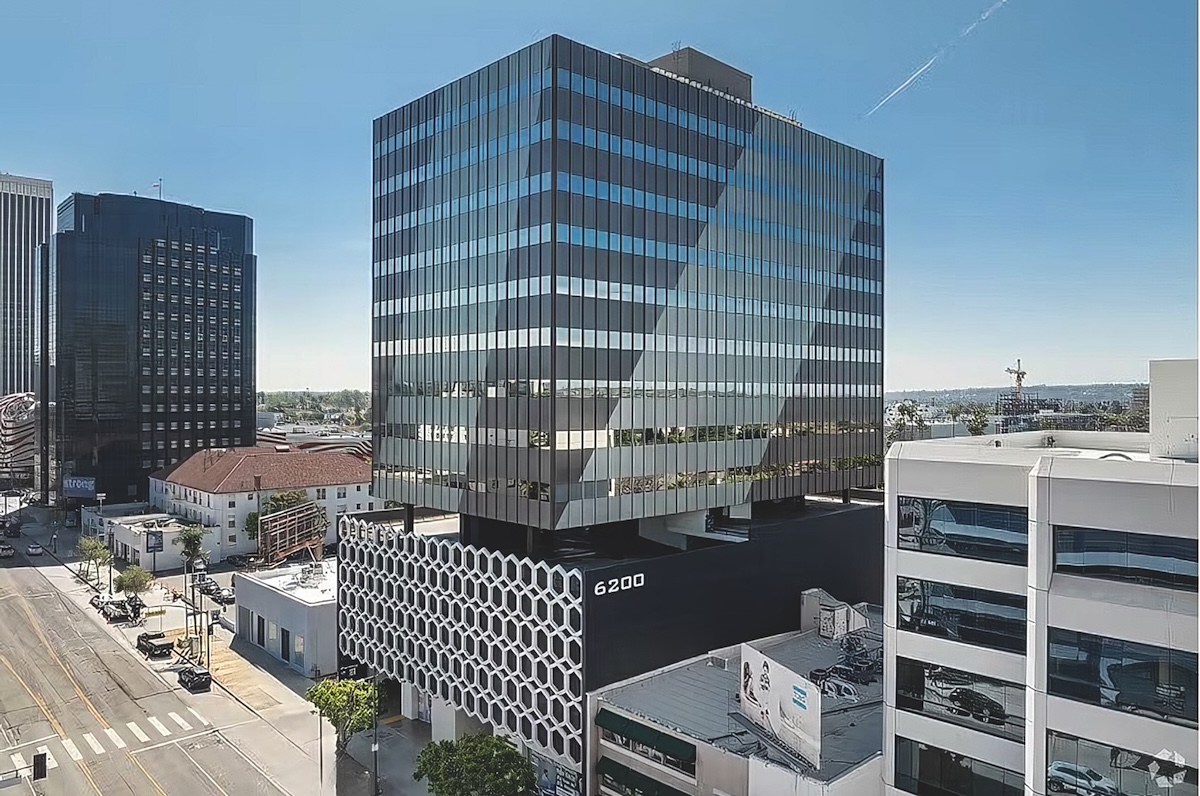
Crescent Heights – a real estate developer which was founded in Los Angeles but is now headquartered in Miami – launched a new tenant ownership initiative for 6200 Wilshire, a medical office building in Mid-Wilshire.
The firm first purchased the asset in February 2020, just weeks before the Covid-19 pandemic took off and subsequently blew up L.A.’s office market. Not long after, the world shut down and about half of the building’s tenants decided to leave, said Elliott Khan, partner at Crescent Heights.
Like many other office owners, Crescent Heights has been working through moderate office recovery and debating what the best path forward looked like.
“The wheels started turning and we said, ‘Hey, maybe we have the chance to do something unique,’” Khan said.
Given the favorable financing options available to physicians, which Kahn said are “more competitive than any rates I get even as a real estate professional,” it could make sense from an investment perspective.
“(Physicians often) don’t realize the benefits they have because they’re not focused on using their practice to leverage their lending capacity,” Kahn said, noting that it’s more common for them to finance practice materials and equipment rather than real estate.
On the low end, a buyer could purchase 1,000 square feet and on the high end, they could purchase an entire floor, or 11,755 square feet, in 6200 Wilshire with prices starting at $350,000. Crescent Heights has secured lenders willing to offer 100% financing to work with qualified applicants. The team has closed several deals, Kahn said, with one buyer who paid for his portion of the building all up front.
The building is going under seismic retrofitting, as well as upgrades and renovations to the office spaces, common areas, corridors and bathrooms. That work is expected to be completed by mid-2026. Kahn said he is in talks with possible buyers who are waiting to see these upgrades realized, and in some cases, who are waiting out their current leases.
After the first five years of ownership – during which the occupant is “paying more interest to principal ratio” – their monthly payment will typically be less than it would be if they were renting, Khan said. This may not always be the case depending on the down payment. However, “after 10 years, the math is in the favor of the owner without a question,” Kahn added.
As the firm continues rolling out this ownership structure, it will consider replicating the practice which has been a growing trend in Germany’s health care real estate scene.
Kahn sees this as a favorable alternative to renting especially given the lengthy leases medical offices usually carry out.
“Doctors do not want to move,” Kahn said. “They spend a lot of money getting their spaces ready. They have a practice equity within their location so it’s hard for them to move, but it happens when landlords jack up the rent.”
This checks out. Other than a minor dip in 2021, research from Jones Lang LaSalle Inc. shows steady rent growth for Los Angeles outpatient medical buildings from 2015 through this year. Average asking rents increased by nearly 40% from the third quarter of 2015 to the third quarter of this year.