
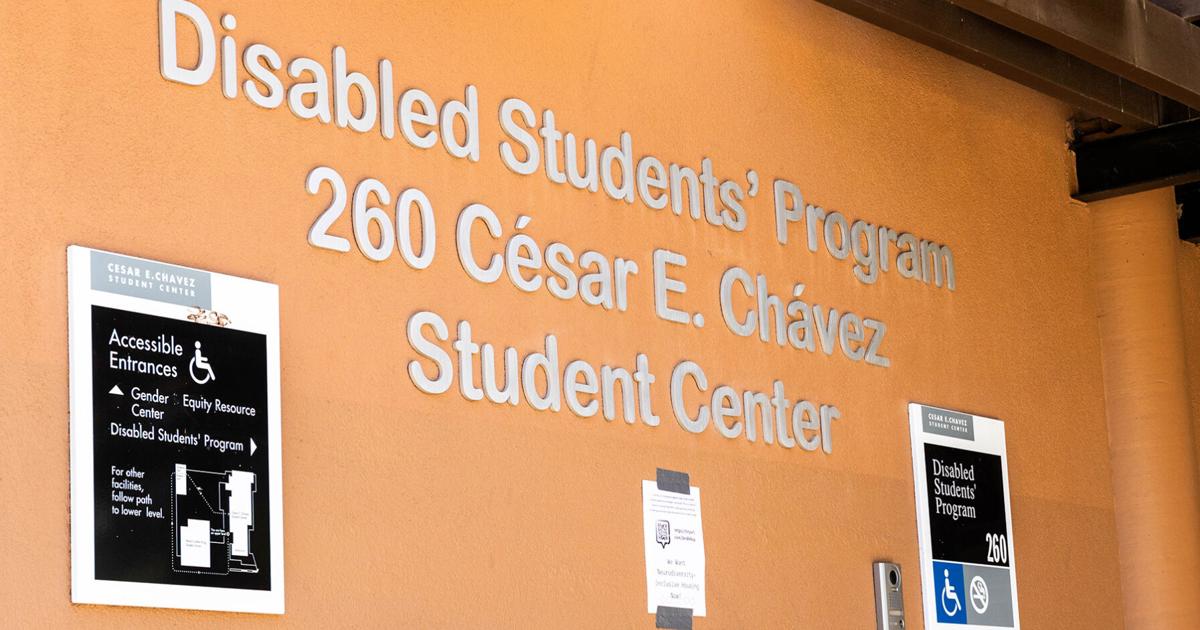
The number of students enrolled in UC Berkeley’s Disabled Students’ Program, or DSP, has reached an all-time high this semester, according to DSP’s annual report.
5,959 students are enrolled in the program for fall 2025, including 2,432 students with two or more disabilities. The number has more than tripled over the past 10 years, up from 1,800 in the 2014-15 academic year.
Currently, the largest primary disability identity is psychological/emotional disability, with 2,528 active students, constituting more than 40% of DSP students.
According to Laura Sterponi, the director of the disabled studies minor, the increase in students with DSP accommodations related to psychological or emotional conditions reflect a “constellation of factors rather than a single cause,” including the lingering effects of social isolation from the COVID-19 pandemic and stresses of the modern-day university environment —but also a reduction in stigma surrounding mental health.
“There is so much existing stigma around disabilities and getting support, especially for those in our community that have psychological and emotional disabilities,” said ASUC Senator Jada Yang, who represents the disabled student community. “I think breaking down barriers of that stigma, hopefully, fingers crossed, has something to do with (this increase).”
Disability studies instructor Emily Nusbaum noted that the current actions of the federal government may be contributing further stress and anxiety to students who identify as disabled.
“A lot of (first-generation) or transfer students identify as disabled along with other marginalized identities,” Nusbaum said. “I think that the current context of what we’re living in is really a threat in very real ways. We saw that with (Supplemental Nutrition Assistance Program) benefits, and we can see it with all kinds of (Immigration and Customs Enforcement) stuff related to the administration.”
The increase in DSP enrollment comes as $8 million in UC-wide one-time DSP funding is set to run out by 2026.
According to Carmen Varela, executive director of DSP and the Disability Cultural Community Center, the funding has enabled DSP to reduce waiting times for intake appointments from 6-8 weeks to “24-72 hours and 1-2 weeks.”
“High wait times for students with disabilities is highly detrimental, as students lack access to necessary accommodations during this time period, which can impact academic performance, course completion and university standing,” Valera said in an email.
Molly Hall, a student enrolled in DSP, expressed concerns about how the funding cuts could affect whether she receives her accommodation as someone who requires a scribe.
Hall said DSP already struggled to find her a scribe this semester.
“I’m mostly concerned that DSP will have to cut down on staff members, which will then cause a bit of chaos during the proctoring approval process, especially during exam season when they have to approve thousands of exam accommodations,” Hall said in an email.