
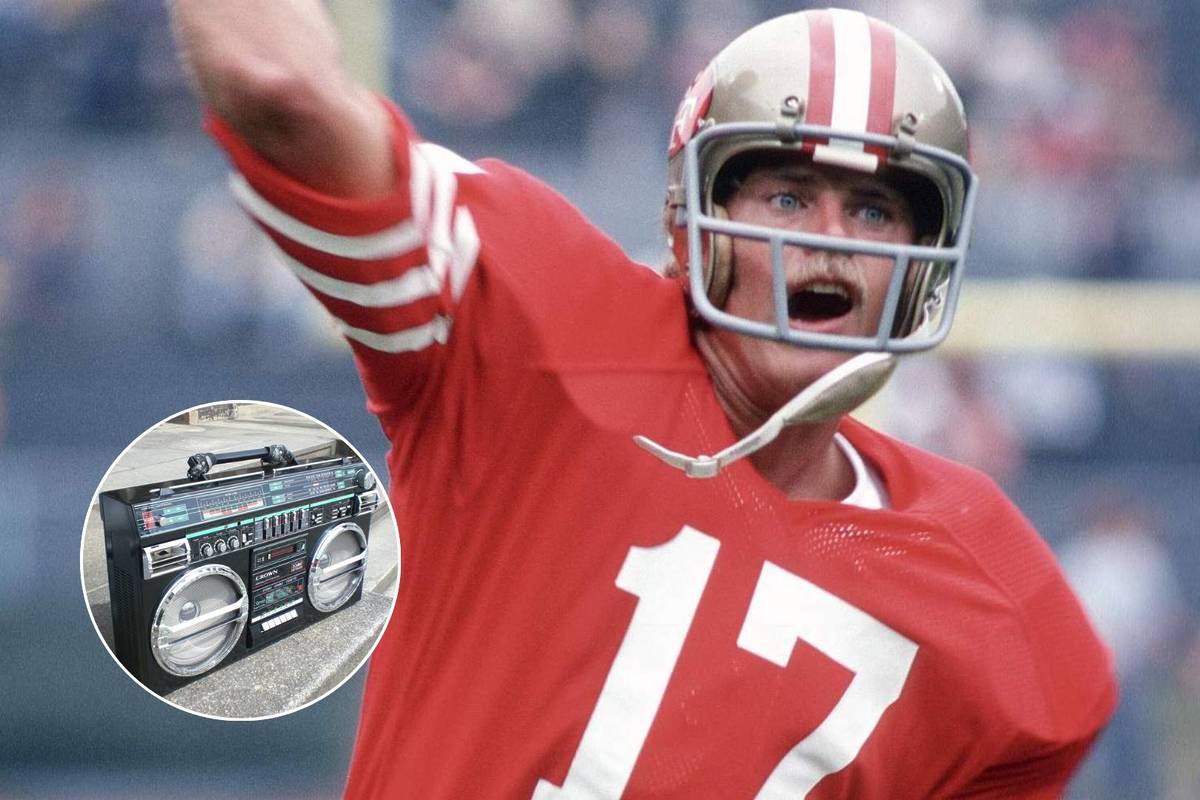
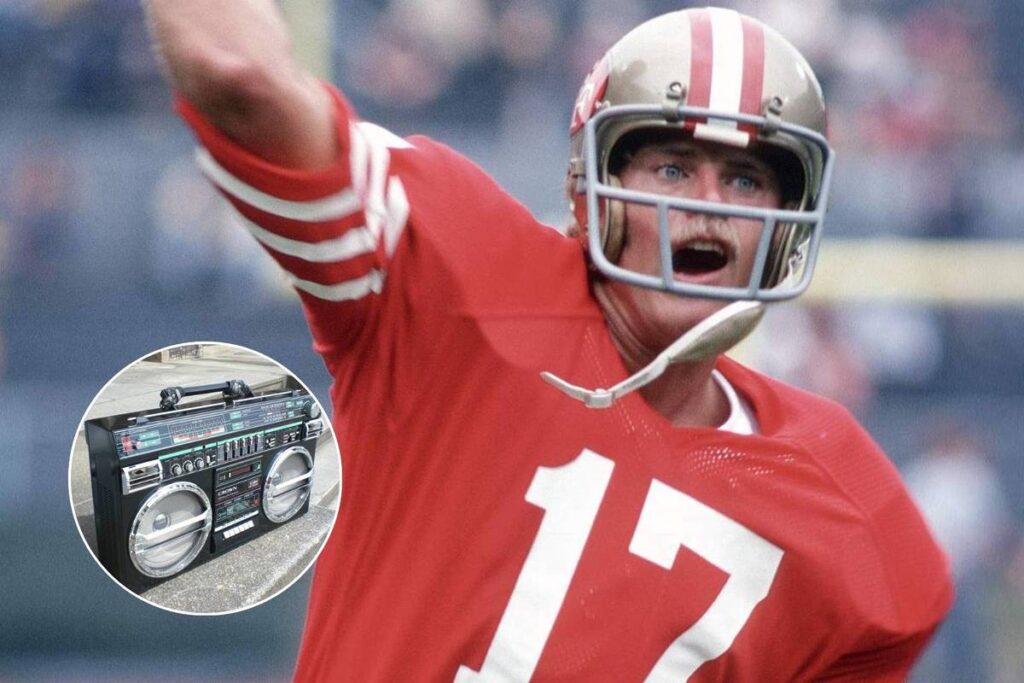
Mitchell Layton / Getty Images
Save
The San Francisco 49ers are famous for their dynasty era, but one of the strangest moments in franchise history happened right before the glory days. In 1980, the 49ers faced a nightmare scenario when their starting quarterback, Steve DeBerg, suffered a vocal cord injury that left him unable to call plays.
Rather than benching him, the team engineered one of the most bizarre equipment hacks the NFL has ever seen, turning a standard player into a walking sound system.
The Injury That Silenced A 49ers Quarterback
The 1980 season was looming, and quarterback Steve DeBerg was set to lead the charge. However, a preseason hit to the throat changed everything in an instant. The impact severely damaged DeBerg’s vocal cords, leaving the starting QB unable to produce anything louder than a raspy whisper.
In the deafening environment of an NFL stadium, a quarterback who can’t scream audible changes at the line of scrimmage is usually as good as benched. But this was San Francisco, and the team wasn’t ready to give up on their starter just yet.
The Original Wearable Tech
The team’s solution was a marvel of glorious, clunky 80s ingenuity. Rather than relying on hand signals, the equipment staff wired a microphone directly into the inside of DeBerg’s helmet. That wire fed down his neck and connected to a massive amplifier strapped securely to the back of his shoulder pads.
It was essentially a portable PA system. To prevent feedback or accidental hot-mic moments, they even installed a toggle switch inside the helmet so DeBerg could turn his “voice” on and off between plays.
Visually, it was jarring. You could see the square, hunchback-like outline of the speaker box pushing against the back of his jersey. Yet, against all odds, the contraption worked perfectly. For the first three games of the season, DeBerg’s amplified voice boomed across the line of scrimmage, allowing him to command the offense despite his injury.
He played with the setup until his vocal cords healed enough to shout on his own, cementing this as one of the weirdest, most creative injury workarounds in Bay Area sports history.
While the technology was retired after just three games once his voice returned, it remains a testament to the “whatever it takes” mentality of the 49ers.