
THE NEW YEAR WILL BRING with it a chance for San Jose’s 96,000 registered businesses to square their overdue tax bills with the city — without paying a late fee.
Beginning Jan. 1, the city will roll out a year-long business tax amnesty program. For businesses making late payments under the program, the city will waive the added penalties and interest charges it typically applies.
Based on previous amnesties administered by San Jose, officials estimate next year’s program, which runs until Dec. 31, will bring in $3.2 million in additional revenue to the general fund. It’s also seen as a way to engage with local businesses that might not be aware of their municipal tax obligations.
“The Business Tax Amnesty Program benefits both businesses and the city of San Jose by improving compliance with the business tax regulations, reducing outstanding liabilities and supporting long-term revenue stability for the city,” Finance Director Maria Öberg told San José Spotlight.
The city plans to launch a website supporting the program in January, officials said.
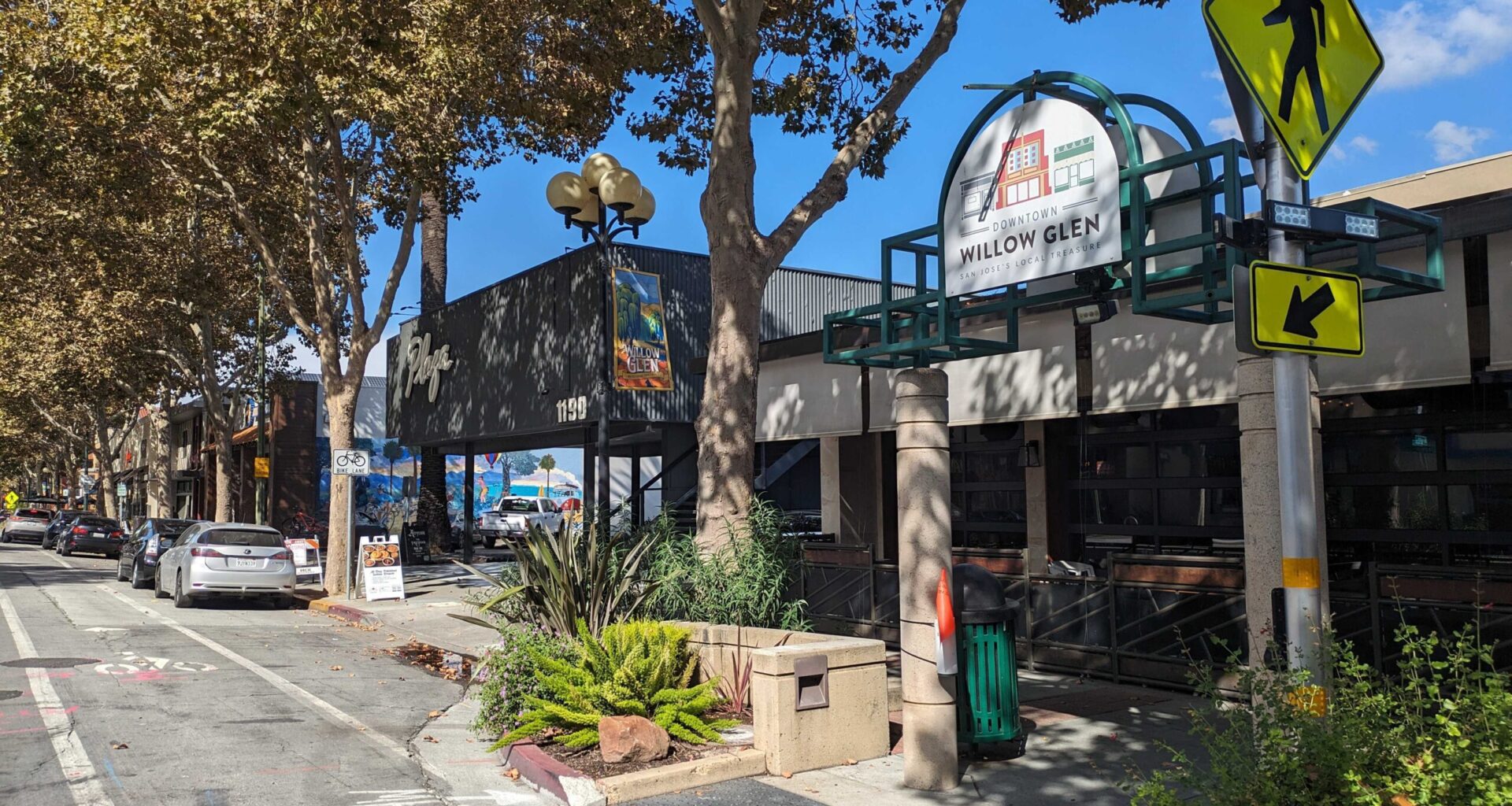
The program will cover late payments owed to San Jose under its business tax, which is assessed based on a company’s employee headcount in most cases. In addition, it will also cover overdue fees owed to the city’s Business Improvement Districts. Such districts — which include portions of Japantown, downtown and the Monterey Road corridor — levy annual fees on member businesses and then reinvest the funds in services, such as street cleaning or private security, geared toward improving neighborhoods and driving local commerce.
The amnesty program is intended to benefit businesses that have fallen behind on payments, as well as newer companies that may be unaware of the city’s tax policies.
“New businesses are started all the time,” Öberg told the City Council during its Dec. 9 review of the amnesty program. “People move in. They don’t know always that they are required to register and pay a business tax in the city of San Jose. So it’s part outreach and education, and part getting people back in compliance.”
The city has administered similar amnesty programs periodically over the decades, with three conducted since 2006. Most recently, the city launched another 12-month program in October 2019. It drew in payments from 5,800 taxpayers, generating $3.2 million in revenue, officials said.

While overdue tax payments must be paid in full by the end of the year, the city will allow businesses to do so under a payment plan, officials said. In some cases, the city will offer payment exemptions to certain qualifying businesses that generate incomes for their owners falling well below federal poverty standards.
During the past amnesty period, the city granted 175 such exemptions, according to past reporting by San José Spotlight. Most were granted as a result of financial hardship, but some were also granted to older adults or to charitable organizations.
Öberg told councilmembers that for some of the city’s newer Business Improvement Districts, the city has collected just 60% of the fees owed by member businesses.
District 6 Councilmember Michael Mulcahy warned that such unreliable fee collection has become a significant challenge for these districts. He’s urging Finance Department staff to explore ways to boost compliance among businesses, even once this year’s amnesty ends.
“I want to make sure that we don’t become too reliant on an amnesty,” Mulcahy told San José Spotlight.
Contact Keith Menconi at keith@sanjosespotlight.com or @KeithMenconi on X.