
California will require most tortillas and corn masa products to include folic acid starting in 2026, while a new law banning non-essential cat declawing takes effect in January.”The presence of folic acid or having liquid levels of folic acid in a woman’s body is very critical,” said Nelda Moreno, an Esthetician Gynecologist. “This development of the brain and spine happens even before a woman knows that she’s pregnant, so we’re talking about 3 to 4 weeks after conception.”Hispanic women are less likely than other groups to have sufficient folic acid during pregnancy due to their dietary habits. According to the California Department of Health, between 2017 and 2019, about 28% of Latinas reported taking folic acid the month before becoming pregnant, compared to 46% of white women.”Fortifying corn masa flour and fresh corn masa specifically targets Latino populations because Latinos rely on those varieties of foods based on corn as a staple food,” said Moreno. “This initiative of fortifying this product expands into the fortification of folic acid of wheat flour products, that’s been going on for 25 years, so the hope is that it’s going to have an impact on Latino communities, preventing these types of defects.”Additionally, a new law effective January 1 will make it a crime for veterinarians to declaw cats unless medically necessary.”The only way that it could be done legally is if it’s medically necessary, so the veterinarian would have to prove why it’s medically necessary to do so,” said a representative from SPCA Monterey County, Jacob Duarte.SPCA Monterey County staff explained that declawing a cat can lead to more issues. “A lot of people tend to think that the declawing is like a nail trim, but it’s a lot more than that,” Duarte said. “It’s basically an amputation of the toe, which can be very painful. They can get an infection, it could also go as far as getting behavior issues for the cat.”For cat owners concerned about declawing, the SPCA encourages contacting local veterinarians.
SALINAS, Calif. —
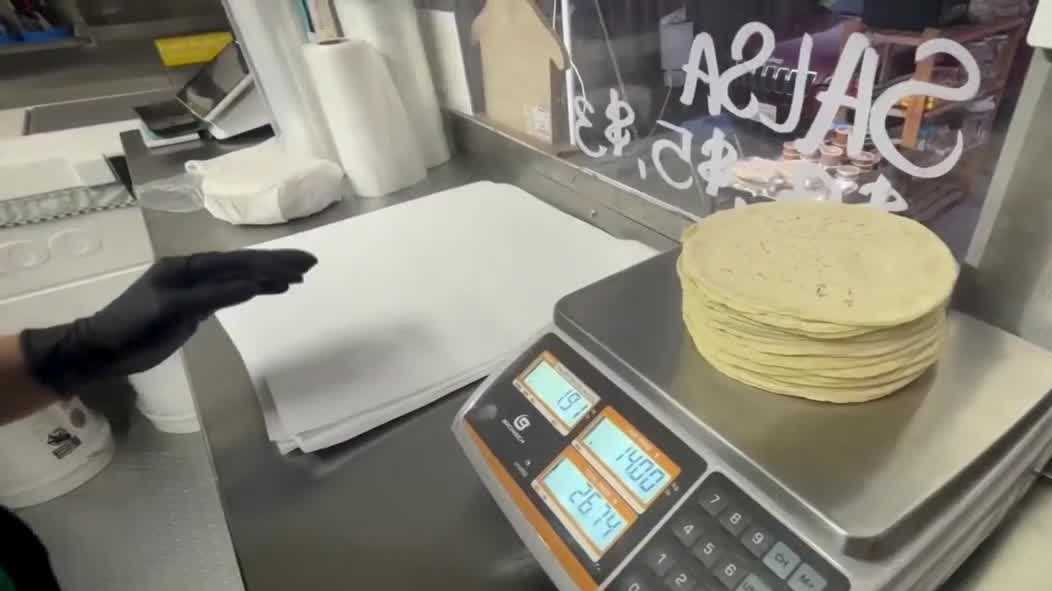
California will require most tortillas and corn masa products to include folic acid starting in 2026, while a new law banning non-essential cat declawing takes effect in January.
“The presence of folic acid or having liquid levels of folic acid in a woman’s body is very critical,” said Nelda Moreno, an Esthetician Gynecologist. “This development of the brain and spine happens even before a woman knows that she’s pregnant, so we’re talking about 3 to 4 weeks after conception.”
Hispanic women are less likely than other groups to have sufficient folic acid during pregnancy due to their dietary habits.
According to the California Department of Health, between 2017 and 2019, about 28% of Latinas reported taking folic acid the month before becoming pregnant, compared to 46% of white women.
“Fortifying corn masa flour and fresh corn masa specifically targets Latino populations because Latinos rely on those varieties of foods based on corn as a staple food,” said Moreno. “This initiative of fortifying this product expands into the fortification of folic acid of wheat flour products, that’s been going on for 25 years, so the hope is that it’s going to have an impact on Latino communities, preventing these types of defects.”
Additionally, a new law effective January 1 will make it a crime for veterinarians to declaw cats unless medically necessary.
“The only way that it could be done legally is if it’s medically necessary, so the veterinarian would have to prove why it’s medically necessary to do so,” said a representative from SPCA Monterey County, Jacob Duarte.
SPCA Monterey County staff explained that declawing a cat can lead to more issues. “A lot of people tend to think that the declawing is like a nail trim, but it’s a lot more than that,” Duarte said. “It’s basically an amputation of the toe, which can be very painful. They can get an infection, it could also go as far as getting behavior issues for the cat.”
For cat owners concerned about declawing, the SPCA encourages contacting local veterinarians.