

From wildfire prevention to increased firefighting support and making the region more affordable, elected leaders who represent Poway, Rancho Bernardo and 4S Ranch have a lot on their agendas for 2026.
All locally-elected representatives were asked to name their priorities for the coming year. Those who chose to participate are featured below. Responses were not received from Assemblymembers Darshana Patel and Carl DeMaio or Rep. Darrell Issa.
* * * * *
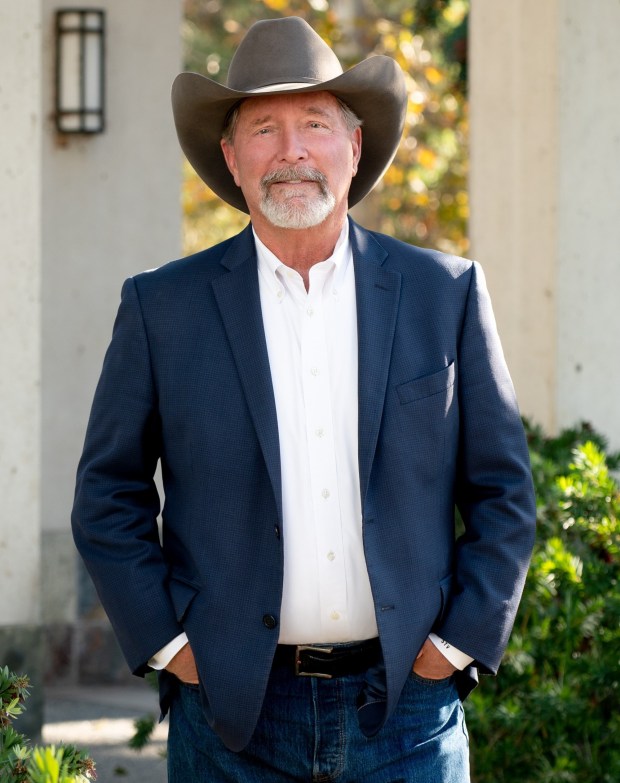
“Looking toward 2026, the most pressing issue (for Poway) will be filling the District 2 City Council seat in the June election,” said Mayor Steve Vaus. “That decision will help shape how effectively the city navigates the years ahead.
Courtesy city of Poway
Poway Mayor Steve Vaus. (Courtesy city of Poway)
“Poway is best served by leaders who can step in ready to govern — leaders who understand how the city actually works, the limitations imposed by the state and the difference between advocacy and governing,” Vaus said.
“But elections alone do not define a city,” he added. “What defines Poway is a shared expectation that things work. Residents may not think about it every day, but they notice when neighborhoods are safe, roads are maintained, water is reliable, finances are sound and public service is more than a slogan.
“By those measures, Poway is strong,” Vaus said. “We remain the safest city in the county, our infrastructure is solid and our financial position is the envy of other cities.
“The guiding principle for 2026 should be stewardship — protecting what works, improving what matters and making sure Poway continues to get the fundamentals right,” Vaus said.
* * * * *
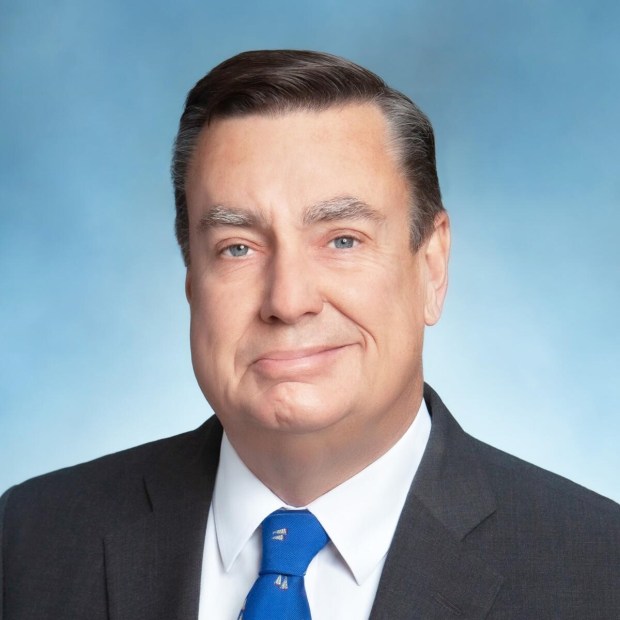
“As we move into 2026, my top priority will always be making county government work for you,” said Supervisor Joel Anderson, a Republican whose District 2 includes Rancho Bernardo, 4S Ranch and Poway. “We are making significant investments in our infrastructure, implementing innovative programs to end homelessness and focusing on public safety. Additionally, we are making sure our unincorporated communities have a real voice in the regional decisions that shape their future.
Courtesy of Joel Anderson
San Diego County Supervisor Joel Anderson (Courtesy of Joel Anderson)
“(In 2025), the county purchased a second night-flying firefighting helicopter, significantly strengthening our ability to protect Poway, Rancho Bernardo, 4S Ranch and the entire San Diego region from wildfires,” Anderson said. “This helicopter will be delivered and in service by spring of 2026. Having the capability to fight fires around the clock is a game-changer for public safety, especially as wildfire seasons grow longer and more intense.
“We have also funded a special Fentanyl Enforcement Team through the San Diego Sheriff’s Office that in just one year’s time has taken more than 2 million pills off our streets, which protects all of our communities and our kids,” Anderson said.
“For far too long, communities like 4S Ranch have lacked meaningful representation at the San Diego Association of Governments (SANDAG), the body responsible for regional transportation and infrastructure planning,” he added. “I remain committed to ensuring unincorporated residents have a seat at the table and a voice in decisions that affect traffic, transit, housing and our quality of life.”
* * * * *
“My office remains at the ready to help constituents navigate the ever-growing and burdensome maze created by state lawmakers and regulators in 2026,” said Sen. Brian Jones, a Republican whose 40th State Senate District includes Poway, Rancho Bernardo and 4S Ranch. He is also the Senate minority leader.
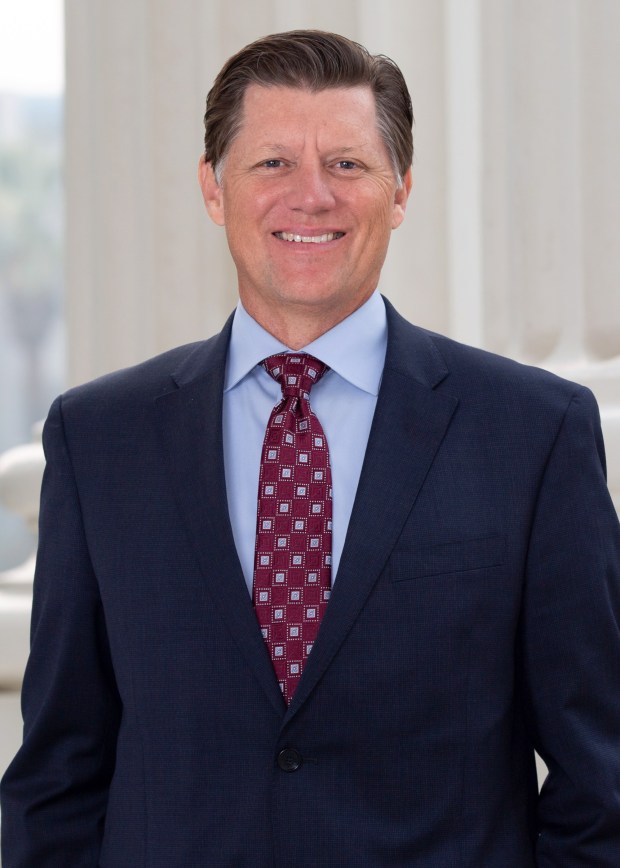 State Sen. Brian Jones (Lorie Leilani Shelley)
“My legislative priorities remain laser focused on creating a safer, more affordable place to live for the residents of the 40th Senate district,” Jones said. “My job in Sacramento is to fight for the interests of the people I was elected to represent … (and I will) be keeping close watch on the publicity stunts our governor pulls this year and the impact of those on the people of California.”
Jones said what matters most to “everyday Californians” are affordability, cost of living and making good use of limited state spending.
“California has become simply unaffordable for most of us … and we must take major steps now to reduce the cost of everything from electric bills to gas and groceries in 2026,” Jones said. “While Governor Newsom … may be able to stomach the sky-high costs of life in our state, it’s long grown unmanageable for working families like mine, and I know I’m not alone.
“The 2026 budget will be a crucial piece of my work this year as we’re facing billions in budget shortcomings thanks to reckless spending by our governor … I’ll be fighting to fully fund Prop. 36 (the Homelessness, Drug Addiction and Theft Reduction Act), bring infrastructure improvements – including money for Highway 67 and Lake Hodges Dam improvements – to the area and to enhance wildfire readiness in the rural-suburban interface zones of our county.
“This can and must be achieved while also preserving funding for education, public safety and other core government functions,” Jones said. “We cannot continue to spend on social engineering pet projects while letting our roads decay and our wildfire fuel grow unchecked, and I’ll be fighting for a sane spending plan that puts the people first in 2026.”
Jones added that as Senate Minority Leader, he will also be working to get more conservative voices elected to state office.
* * * * *
“Throughout 2025, I’ve focused on addressing San Diego’s most pressing concerns in Washington to better our communities,” said Rep. Scott Peters, a Democrat whose 50th District includes Rancho Bernardo and 4S Ranch.
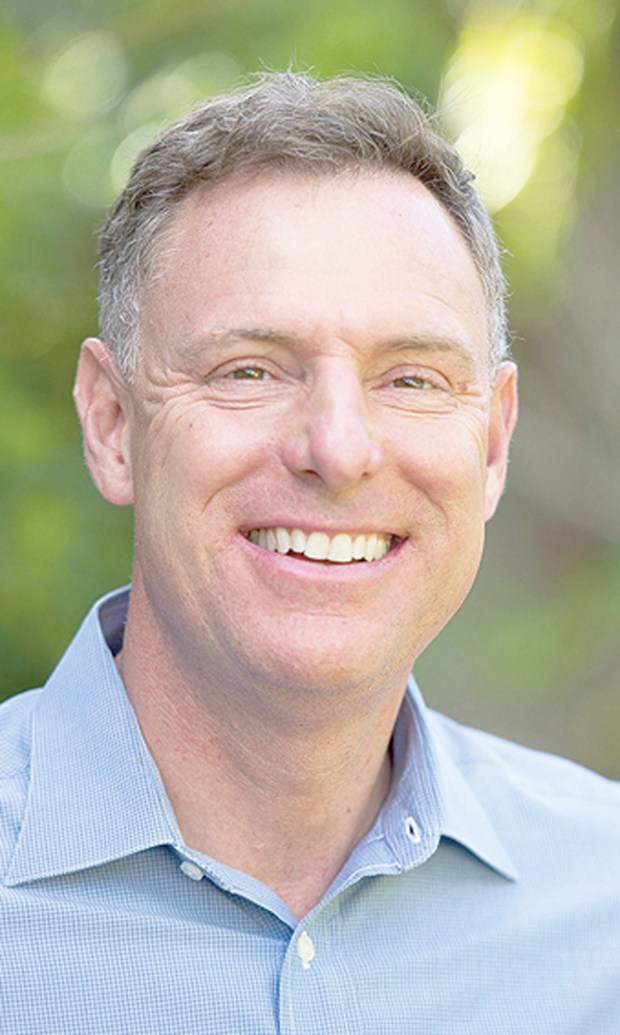 Rep. Scott Peters (Courtesy of Scott Peters)
“I’ve worked to lower the cost of living, to support those who have served our country and to protect their hard-earned benefits, to combat the climate crisis, stop air and water pollution in the Tijuana River Valley and so much more,” Peters said.
Citing the 2025 Point-in-Time Count which identified 9,905 people in San Diego County as homeless, compared to 10,605 the previous year, Peters said it was “encouraging data” that shows proven strategies are making a difference.
An example he gave was the opening of a new youth shelter, for which he said he secured $1.5 million. Peters said it is part of the City of San Diego’s Safe Shelter for Transition-Age Youth (Safe STAY) program. It provides wrap-around case management to help young people exit homelessness through education, employment and supportive services, he said.
“Too many San Diegans remain unsheltered,” Peters said. “I will continue to advocate for investments and federal jobs that help us get people off the streets and into safe, stable housing.”
Peters also said he will continue focusing on climate change, as it impacts health and safety.
“Wildfires and other extreme weather events have dramatically increased in severity and frequency,” Peters said. His work on that included getting the House to pass his Fix our Forests Act last January to help reduce the intensity of catastrophic wildfires, restore forest health and build fire-safety defenses for communities in high-risk areas, Peters said.
He said the Senate Agriculture Committee passed companion legislation last October and he is looking forward to getting “this critical solution across the finish line in 2026.”
Peters said in the new year, “I will continue fighting for San Diego — working with Republicans when I can to help our community and serving as a check when I must to protect San Diegans. I will work to bring people together when possible and tone down the bitterly partisan rhetoric.
“While I do not agree with much of the Trump Administration’s agenda, I will continue to advocate for the same things I always have — lower costs, affordable housing, clean air and water, reliable and affordable energy, fiscal responsibility and San Diego’s critical role in our national defense,” Peters said.