
Multiple bills signed into law this year are set to take effect in 2026. The changes span from addressing insulin prices to college admission regulations and plastic bag laws.Here is a breakdown of what each law entails and its impact on day-to-day life in California.EducationCSU automatic admissionSB 640 establishes the CSU Direct Admission Program, granting qualified high school students automatic acceptance to participating universities in the California State University system. Students will need to meet specified admission requirements.It would go into effect for the fall semester of 2026.Addressing student literacyAB 1454 aims to improve children’s literacy by providing educators with more tools and training to support students’ reading abilities. Among other things, it will require program standards for training educators and professionals to meet set standards when teaching literacy.Supporting LGBTQ mental healthAB 727 aims to support mental health resources for LGBTQ youth by adding crisis and suicide prevention support numbers to public school ID cards.Public and private schools with students in grades seven through 12 will be required to print on those cards the phone number and text line for a suicide hotline available 24 hours a day, seven days a week.It builds upon an existing law that requires those educational institutions to include the phone number for the National Suicide Hotline, as well as the number for the 988 Suicide and Crisis Lifeline.The law also requires a list of resources for youth and their families who have been subjected to discrimination or bullying in school based on sexual orientation, gender identity, and gender expression.This law will go into effect on July 1, 2026.Removing ultra-processed foods from schoolsAB 1264 removes some ultra-processed foods from being served in public schools. It will require the State Department of Public Health to define which foods are of concern and restrict what is served in schools. It will then begin phasing out those foods no later than July 1, 2029. In July 2032, vendors will be prohibited from offering the restricted foods to schools.HealthCapping insulin costsSB 40 caps the cost of insulin for large state-regulated health insurers. A 30-day supply would now have a $35 copay. The suggested retail price for a pack of five three-milliliter pens will not exceed $55. This will go into effect on January 1, 2026.Emergency food bank to have diapersAB 798 expands the state emergency food bank program to include diapers and wipes to support young children. It would also authorize the use of funds distributed by that program to buy those items.Prenatal vitamin testingSB 646 would require prenatal multivitamin manufacturers to test a sample of each lot for heavy metals. That testing requirement will start January 1, 2027. Heavy metals include arsenic, cadmium, lead, and mercury. It would also require the brand owner to disclose that testing to the public.Making birthing centers more accessibleAB 55 makes alternative birthing centers more accessible to midwives by adjusting requirements the bill describes as unnecessary. It would also require the center to offer comprehensive perinatal services.Midwife education standardsAB 836 addresses midwife education standards by funding a statewide study on the profession’s landscape and workforce. The study aims to identify educational programs that can serve both urban and rural areas. The bill would also define “reproductive health care professionals” as medical doctors and licensed midwives.ImmigrationSchools must post students’ rightsAB 419 requires schools to post information about students’ rights related to immigration enforcement. It requires this information to be posted in administration offices and on school websites. It also bars school officials from collecting information regarding the immigration status of students and their families. It also mandates that school officials report the presence of immigration enforcement on campus.Emergency preparedness for familiesAB 495 aims to help families prepare for the absence of a parental figure and prevents child facilities from gathering information regarding immigration status. The bill expands who can give a caregiver’s authorization, granting them the right to make decisions on school-related medical care. This is intended to prepare for the possible absence of a parental figure due to detention by immigration enforcement.Immigration advisements before pleaSB 281 requires courts to give an immigration advisement before a guilty plea or a no-contest plea. The court must advise the defendant that these pleas could result in deportation, denial of naturalization, or denial of admission to the country. The law goes into effect on January 1, 2026.Legal counsel for unaccompanied immigrant youthAB 1261 requires the state to provide legal counsel to immigrants under the age of 18 in federal or state proceedings related to immigration. It defines immigrant youth as undocumented minors who do not have a parent or legal guardian in the country.HousingLandlords must provide some appliancesAB 628 requires landlords to provide working refrigerators and stoves in rental units. This goes into effect on January 1, 2026. If the unit does not have these appliances, or if they are not in working and well-maintained order, the unit will be untenantable.Affordable housing near public transitSB 79 requires each county to create a long-term plan to develop affordable housing near public transit. It allows the construction of multifamily housing within a half-mile of public transit stations, overriding local land zoning.This goes into effect on July 1, 2026.Workplace rightsWorkplace sexual assault cover-upsAB 250 temporarily lifts the statute of limitations for workplace sexual assault cover-ups. Between January 2, 2026, and December 21, 2027, victims can file civil claims regardless of how long ago the assault occurred.Equal pay lawsSB 642 expands the state’s equal pay laws. It aims to close the pay gap for women and encourage more women to return to the workforce. It also aims to address pay discrepancies that Latinas face, who earn 54 cents for every dollar earned by white men.Animal welfareCombating puppy millsAB 506 requires pet sellers to disclose a pet’s origins and health information to help combat puppy mills. This applies to dogs, cats, and rabbits. It also allows lawsuits against a business or individual that violates these requirements. It also requires a refund to be issued within 30 days if these requirements are not met, without requiring the pet to be returned to the seller.Third-party pet brokersAB 519 bars third-party pet brokers from selling cats, puppies, and rabbits for profit if the animals were not bred by the brokers themselves. This particularly applies to online pet sellers.Health certificates when importing dogsSB 312 requires dog importers to submit health certificates to the California Department of Food and Agriculture within 10 days of shipping the dogs. It also requires the department to approve the certificates. This shifts the responsibility for submitting documentation away from the person purchasing the dog.Technology and AI safetyAI impersonations of licensed professionalsAB 489 prohibits AI chatbots from presenting themselves as licensed professionals, such as doctors and nurses.AI-generated pornographyAB 621 aims to address AI-generated pornography that victimizes a minor or a non-consenting adult. It increases payable damages to $50,000 if the creation of the content was not malicious and to $250,000 if it was malicious. It gives the violating party 30 days to stop all deepfake pornography services after being notified.Chatbot disclaimers for minorsSB 243 requires companies to include disclaimers reminding minors that chatbots are not real people. It also requires safety protocols to prevent chatbots from encouraging minors to self-harm.Police reports using AISB 524 requires law enforcement agencies to disclose when AI tools are used to create official police reports.Paying delivery driversAB 578 bars companies from using tips to offset pay. It also requires itemized pay breakdowns for delivery drivers for transparency. Companies will also be required to have customer service representatives available when automated systems cannot solve a given issue.EnvironmentPlastic bag banSB 1053 strengthens the state’s plastic bag ban by requiring retailers to transition to more durable reusable bags or switch to paper bags. It closes the loophole that allowed thicker plastic bags to be offered as reusable bags.
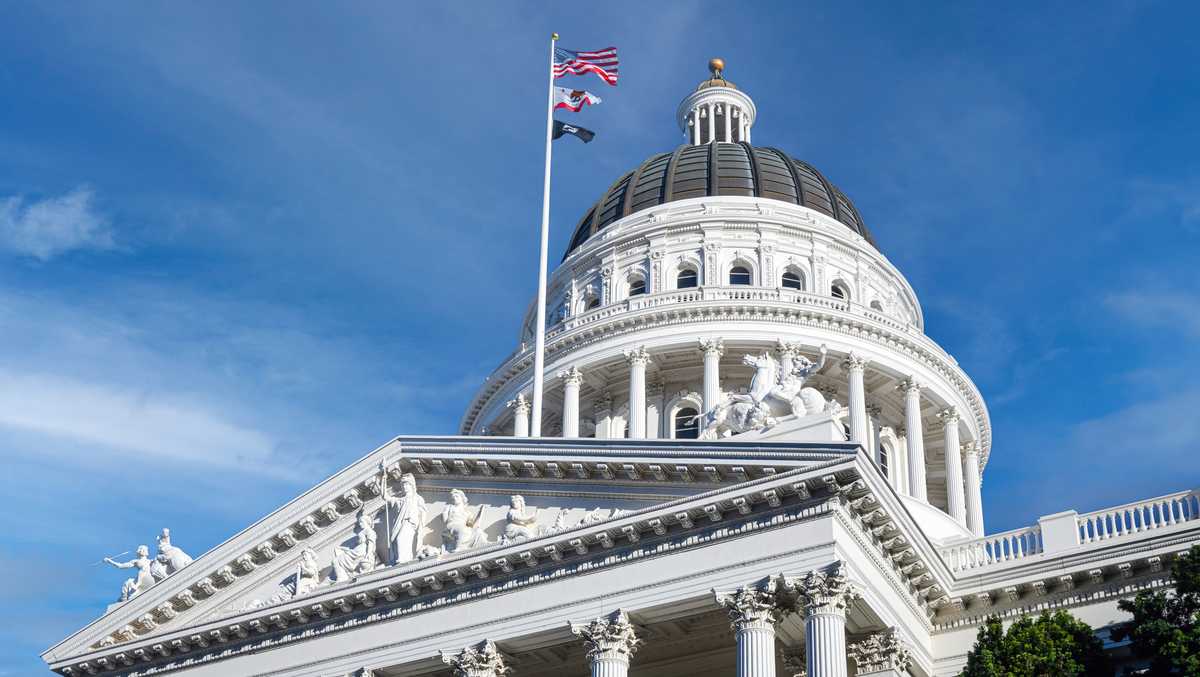
Multiple bills signed into law this year are set to take effect in 2026. The changes span from addressing insulin prices to college admission regulations and plastic bag laws.
Here is a breakdown of what each law entails and its impact on day-to-day life in California.
EducationCSU automatic admission
SB 640 establishes the CSU Direct Admission Program, granting qualified high school students automatic acceptance to participating universities in the California State University system. Students will need to meet specified admission requirements.
It would go into effect for the fall semester of 2026.
Addressing student literacy
AB 1454 aims to improve children’s literacy by providing educators with more tools and training to support students’ reading abilities. Among other things, it will require program standards for training educators and professionals to meet set standards when teaching literacy.
Supporting LGBTQ mental health
AB 727 aims to support mental health resources for LGBTQ youth by adding crisis and suicide prevention support numbers to public school ID cards.
Public and private schools with students in grades seven through 12 will be required to print on those cards the phone number and text line for a suicide hotline available 24 hours a day, seven days a week.
It builds upon an existing law that requires those educational institutions to include the phone number for the National Suicide Hotline, as well as the number for the 988 Suicide and Crisis Lifeline.
The law also requires a list of resources for youth and their families who have been subjected to discrimination or bullying in school based on sexual orientation, gender identity, and gender expression.
This law will go into effect on July 1, 2026.
Removing ultra-processed foods from schools
AB 1264 removes some ultra-processed foods from being served in public schools. It will require the State Department of Public Health to define which foods are of concern and restrict what is served in schools. It will then begin phasing out those foods no later than July 1, 2029. In July 2032, vendors will be prohibited from offering the restricted foods to schools.
HealthCapping insulin costs
SB 40 caps the cost of insulin for large state-regulated health insurers. A 30-day supply would now have a $35 copay. The suggested retail price for a pack of five three-milliliter pens will not exceed $55. This will go into effect on January 1, 2026.
Emergency food bank to have diapers
AB 798 expands the state emergency food bank program to include diapers and wipes to support young children. It would also authorize the use of funds distributed by that program to buy those items.
Prenatal vitamin testing
SB 646 would require prenatal multivitamin manufacturers to test a sample of each lot for heavy metals. That testing requirement will start January 1, 2027. Heavy metals include arsenic, cadmium, lead, and mercury. It would also require the brand owner to disclose that testing to the public.
Making birthing centers more accessible
AB 55 makes alternative birthing centers more accessible to midwives by adjusting requirements the bill describes as unnecessary. It would also require the center to offer comprehensive perinatal services.
Midwife education standards
AB 836 addresses midwife education standards by funding a statewide study on the profession’s landscape and workforce. The study aims to identify educational programs that can serve both urban and rural areas. The bill would also define “reproductive health care professionals” as medical doctors and licensed midwives.
ImmigrationSchools must post students’ rights
AB 419 requires schools to post information about students’ rights related to immigration enforcement. It requires this information to be posted in administration offices and on school websites. It also bars school officials from collecting information regarding the immigration status of students and their families. It also mandates that school officials report the presence of immigration enforcement on campus.
Emergency preparedness for families
AB 495 aims to help families prepare for the absence of a parental figure and prevents child facilities from gathering information regarding immigration status. The bill expands who can give a caregiver’s authorization, granting them the right to make decisions on school-related medical care. This is intended to prepare for the possible absence of a parental figure due to detention by immigration enforcement.
Immigration advisements before plea
SB 281 requires courts to give an immigration advisement before a guilty plea or a no-contest plea. The court must advise the defendant that these pleas could result in deportation, denial of naturalization, or denial of admission to the country. The law goes into effect on January 1, 2026.
Legal counsel for unaccompanied immigrant youth
AB 1261 requires the state to provide legal counsel to immigrants under the age of 18 in federal or state proceedings related to immigration. It defines immigrant youth as undocumented minors who do not have a parent or legal guardian in the country.
HousingLandlords must provide some appliances
AB 628 requires landlords to provide working refrigerators and stoves in rental units. This goes into effect on January 1, 2026. If the unit does not have these appliances, or if they are not in working and well-maintained order, the unit will be untenantable.
Affordable housing near public transit
SB 79 requires each county to create a long-term plan to develop affordable housing near public transit. It allows the construction of multifamily housing within a half-mile of public transit stations, overriding local land zoning.
This goes into effect on July 1, 2026.
Workplace rightsWorkplace sexual assault cover-ups
AB 250 temporarily lifts the statute of limitations for workplace sexual assault cover-ups. Between January 2, 2026, and December 21, 2027, victims can file civil claims regardless of how long ago the assault occurred.
Equal pay laws
SB 642 expands the state’s equal pay laws. It aims to close the pay gap for women and encourage more women to return to the workforce. It also aims to address pay discrepancies that Latinas face, who earn 54 cents for every dollar earned by white men.
Animal welfareCombating puppy mills
AB 506 requires pet sellers to disclose a pet’s origins and health information to help combat puppy mills. This applies to dogs, cats, and rabbits. It also allows lawsuits against a business or individual that violates these requirements. It also requires a refund to be issued within 30 days if these requirements are not met, without requiring the pet to be returned to the seller.
Third-party pet brokers
AB 519 bars third-party pet brokers from selling cats, puppies, and rabbits for profit if the animals were not bred by the brokers themselves. This particularly applies to online pet sellers.
Health certificates when importing dogs
SB 312 requires dog importers to submit health certificates to the California Department of Food and Agriculture within 10 days of shipping the dogs. It also requires the department to approve the certificates. This shifts the responsibility for submitting documentation away from the person purchasing the dog.
Technology and AI safetyAI impersonations of licensed professionals
AB 489 prohibits AI chatbots from presenting themselves as licensed professionals, such as doctors and nurses.
AI-generated pornography
AB 621 aims to address AI-generated pornography that victimizes a minor or a non-consenting adult. It increases payable damages to $50,000 if the creation of the content was not malicious and to $250,000 if it was malicious. It gives the violating party 30 days to stop all deepfake pornography services after being notified.
Chatbot disclaimers for minors
SB 243 requires companies to include disclaimers reminding minors that chatbots are not real people. It also requires safety protocols to prevent chatbots from encouraging minors to self-harm.
Police reports using AI
SB 524 requires law enforcement agencies to disclose when AI tools are used to create official police reports.
Paying delivery drivers
AB 578 bars companies from using tips to offset pay. It also requires itemized pay breakdowns for delivery drivers for transparency. Companies will also be required to have customer service representatives available when automated systems cannot solve a given issue.
EnvironmentPlastic bag ban
SB 1053 strengthens the state’s plastic bag ban by requiring retailers to transition to more durable reusable bags or switch to paper bags. It closes the loophole that allowed thicker plastic bags to be offered as reusable bags.