
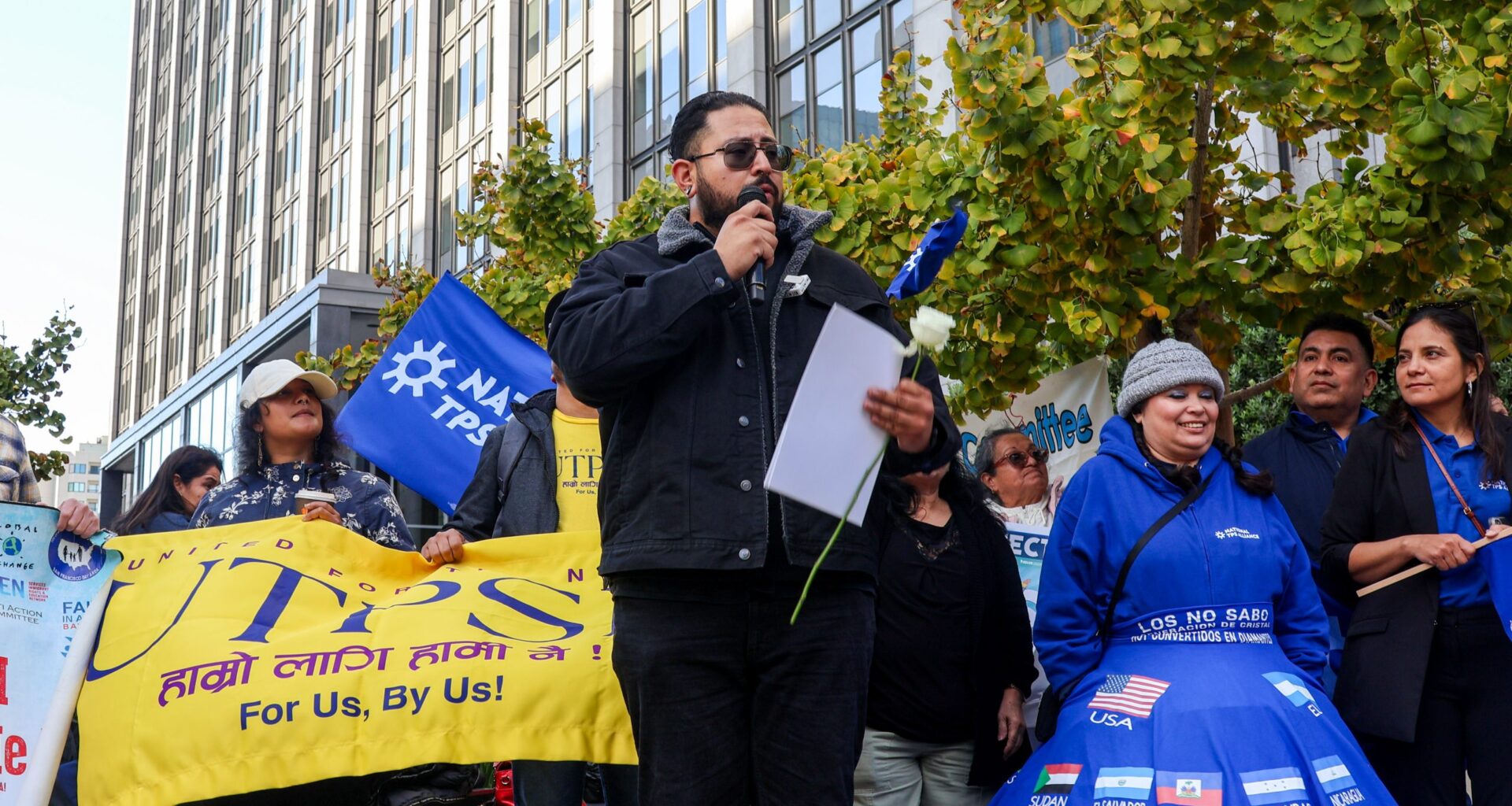
A San Francisco federal judge ruled Wednesday that the Trump administration’s decision to end Temporary Protected Status was unlawful, restoring the status for nearly 90,000 immigrants.
Judge Trina Thompson’s decision pertains to a recent lawsuit that challenged the administration’s decision to terminate TPS for migrants who fled natural disasters in Honduras, Nepal and Nicaragua. It was filed by the American Civil Liberties Union of Northern California, and partnering law firms.
The program covers about 72,000 Hondurans, 13,000 Nepalis and 4,000 Nicaraguans, according to the U.S. Department of Homeland Security. It gives them temporary status to legally stay in the country.
The administration announced its intentions to cancel the Biden-era extension of TPS in July, the Ninth Circuit Court of Appeals upheld the decision on Aug. 20 and on Sept. 7, TPS holders from Nicaragua and Honduras lost their status.
Wednesday’s decision restores TPS for those from Nepal, Nicaragua and Honduras. However, the government could challenge Thompson’s ruling by appealing the decision to the 9th Circuit Court of Appeals.
Jhonny Silva, 30, who is from Honduras, lost his job as a nursing student after TPS was terminated in September. “The court’s order today is a tremendous relief, but the administration’s decision to terminate TPS has already wreaked havoc for me and so many others,” Silva wrote in an email today.
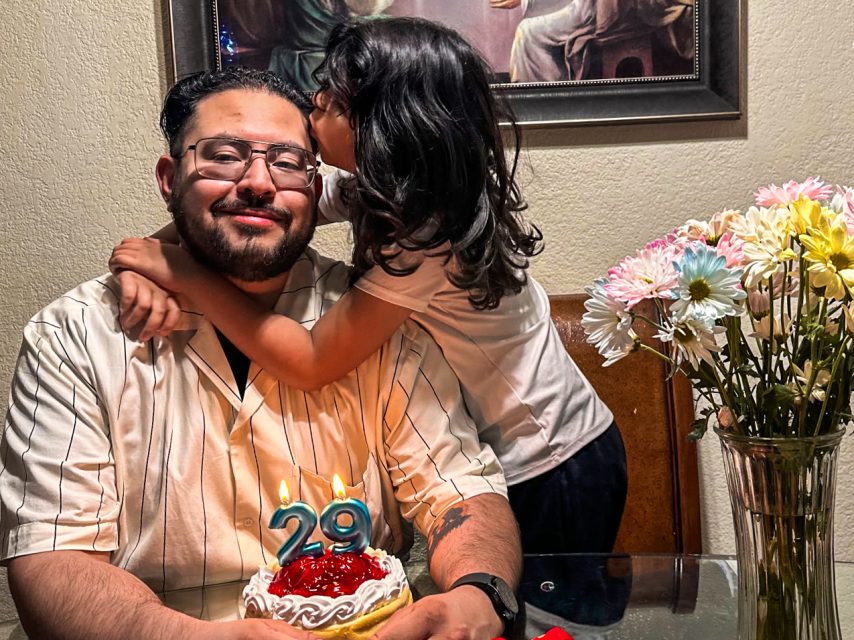 Jhonny Silva celebrates his 29th birthday with his child in 2024. He will be turning 30 in November 2025, the same month as the next TPS court hearing, which will determine whether TPS status for Hondurans, Nepalis and Nicaraguans remains valid or not. Photo courtesy of Jhony Silva.
He continued,“I hope that this means my child and I can be secure in the United States for the time being but we will not give up fighting to protect our rights and the rights of others.”
In today’s 52-page decision, Thompson wrote that the administration failed to adequately consider country conditions that would prevent TPS holders from safely returning and rebuilding their lives in their home countries.
Thompson found that the decision to end TPS was likely “preordained,” meaning that it was made before the government received country-condition reviews for Honduras and Nicaragua.
The decision alleges that the Department of Homeland Security relied on “skewed data,” requesting roughly one page of information on country conditions. The latter, Judge Thompson concluded, failed to capture the full scope of the conditions in the affected countries.
The judge further concluded that the decision was likely motivated by racial animus, echoing claims previously raised by the National TPS Alliance, one of the organizations that represents the plaintiffs.
In the court order, Thompson cited statements by President Trump and social media posts by Homeland Security Secretary Kristi Noem that portrayed TPS holders as criminal invaders. Among them were Trump’s statement that migrants were “poisoning the blood of our country,” and another in which he wrote, “You now know a murderer, I believe this, it’s in their genes,” when referring to migrants in the United States.
Thompson wrote, “These statements reflect a stereotyping of the immigrants protected under the TPS program as criminal invaders and perpetuate the discriminatory belief that certain immigrant populations will replace the white population.”