
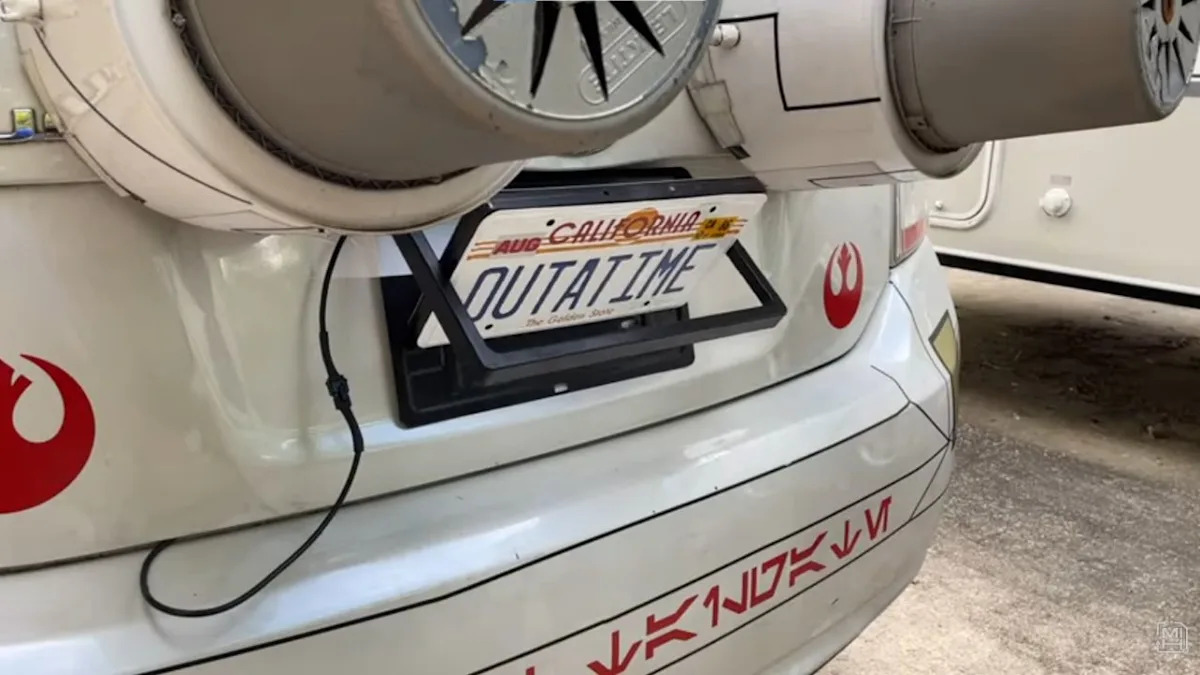
SACRAMENTO, California — Effective January 1, 2026, California will enforce one of the most stringent sets of rules in the nation targeting devices and practices used to obscure vehicle license plates. The new legal framework, embodied in Assembly Bill 1085, responds to a surge in cheap “license plate flippers,” tinted covers, shaded films, and other aftermarket products that interfere with the visibility and electronic readability of plates.
The aim is to close a legal loophole that critics say has enabled toll evasion, impeded law enforcement, and bolstered certain types of criminal activity.
California Closes the License Plate Loophole
The Legislature passed AB 1085 during the 2025 session, and it was signed by Governor Gavin Newsom on October 1. The law amends sections of the California Vehicle Code that pertain to the display, alteration, and sale of products intended to obscure license plates.
Although the use of devices that block plates, such as demonstrated by YouTuber Make It Hackin, has technically been illegal since earlier statutes, enforcement has proven uneven because existing language did not explicitly ban the sale and manufacture of such devices.
Under the new statute, it is now an infraction to manufacture, sell, or import any product designed to obscure the visual or electronic reading of license plates. Those caught manufacturing or selling these devices in the state face fines of up to $2,500 per item, potentially rising to $10,000 in total penalties once court assessments are added.
Drivers using these products remain subject to fines of $250 per violation. Prosecutors and consumer advocates emphasize that the staged availability of such items on commercial platforms and in physical stores has been a longstanding problem for enforcement.
California is hardly alone in grappling with this issue. States including Florida have passed similar legislation that criminalizes the alteration or obscuring of license plates and treats certain violations as misdemeanors or felonies depending on context. However, California’s approach is notable for the breadth of its prohibition and the inclusion of sales and manufacturing in addition to mere possession or use.
Public Safety, Toll Evasion, and the Case for a Crackdown
State legislators and public safety officials justify the law on both security and financial grounds. Critics of plate-obscuring devices argue these tools are often deployed by drivers seeking to evade automated tolls or high-occupancy toll lane charges.
They have also been linked, according to some lawmakers, to more serious crimes such as vehicle theft and robbery where perpetrators try to avoid detection by automatic license plate recognition cameras. Assemblymember Catherine Stefani, the primary author of AB 1085, said this law was necessary to ensure public safety and protect state revenue streams.
Law enforcement agencies have broadly backed the changes. License plate readers are used increasingly by highway patrol officers and local police not just for traffic enforcement, but also as investigative tools in locating stolen vehicles and suspects. When license plates are obscured, these systems cannot function properly, curbing investigative reach and sowing confusion in automated toll systems. This has contributed to millions of dollars in uncollected toll revenues.
One of the most contentious elements of the new law involves plate covers that use tinted or shaded films. Proponents of such covers often claim they protect plates from dirt or fading.
However, under the updated Vehicle Code language, almost all such products are unlawful if they interfere with visibility or electronic capture. The law’s text reflects this emphasis on clarity and readability at all times, directing that license plates be securely fastened, mounted, and maintained so they are clearly visible and legible.
A Clear Law with Murky Enforcement
The California Department of Motor Vehicles has been circulating guidance on these changes to prepare residents and dealers. Officials stress that nonobstructed plates remain essential for effective traffic enforcement, emergency response, and toll collection operations. Plates that fail to meet these standards risk fines or other administrative action.
Despite the clear language of the new law, enforcement on the ground may be challenging. Online marketplace listings for plate-obscuring devices proliferate, and distinguishing illegal products from lawful protective accessories will require active engagement from prosecutors and courts. Experts say some degree of interpretation will be necessary, particularly where products claim to serve protective purposes rather than evasive ones.
For now, however, California is sending a tough message to motorists who have treated license plate obscuring devices as a minor nuisance rather than a legal violation. With January 1 looming, drivers and sellers must comply with the updated law or risk significant penalties and legal trouble.