
Home
»
Latest Travel News
»
Florida Joins California, Virginia, Illinois, Maryland, and Other States in US Experiencing Secondary Airport Boom as Travelers Opt for Oakland, Fort Lauderdale, John Wayne, Chicago Midway Over San Francisco, Miami International, Los Angeles, and Chicago O’Hare to Save Extra
Published on
January 1, 2026
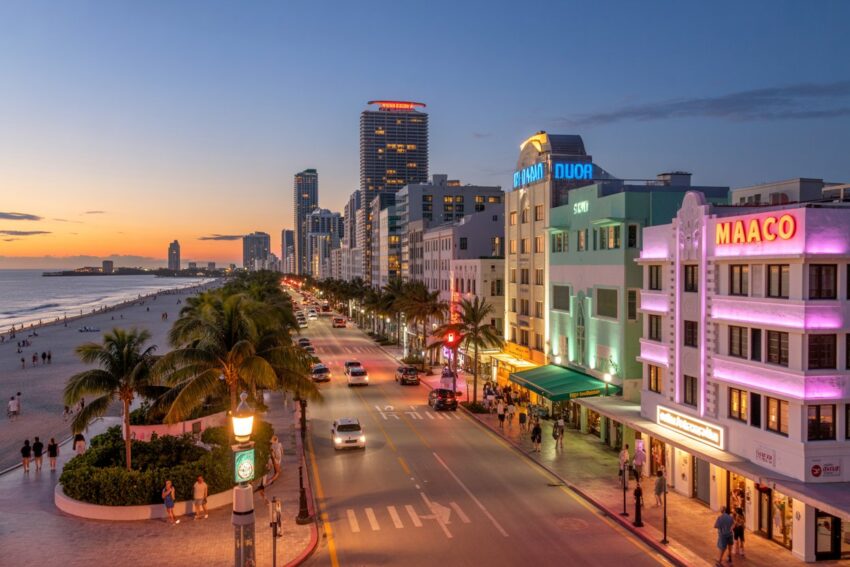
Florida joins California, Virginia, Illinois, Maryland, and other states in the U.S. experiencing a secondary airport boom, as travelers opt for Oakland, Fort Lauderdale, John Wayne, and Chicago Midway to save over major hubs. This shift is part of a broader trend where more passengers are discovering the benefits of flying through smaller, secondary airports, which often offer lower fares, quicker security lines, and more efficient overall travel experiences. With major airports like San Francisco, Miami International, Los Angeles, and Chicago O’Hare facing congestion, rising fees, and longer wait times, these secondary airports have become attractive alternatives. Offering significant savings, especially on popular domestic routes, these airports are reshaping the way travelers approach air travel, making it more affordable and convenient. This article explores why more travelers are choosing secondary airports and how they’re changing the dynamics of air travel in 2026.

The Rise of Secondary Airports: Why Travelers Are Flocking There
In recent years, secondary airports have experienced a surge in popularity. While major international airports like Chicago O’Hare (ORD) and Los Angeles International (LAX) have long dominated air travel in their respective cities, smaller airports are increasingly offering competitive advantages that can’t be ignored. These secondary airports, also known as regional or alternative airports, are benefiting from lower operating costs, fewer crowds, and a growing number of budget airlines seeking to reduce operational expenses. With Southwest Airlines leading the charge, these airports are attracting more passengers, offering them a chance to save significant amounts on airfare. For many travelers, this shift has changed the landscape of domestic air travel, with the savings and convenience being too good to pass up.
Baltimore/Washington International (BWI) vs. Washington Dulles International (IAD): Battle of the Airports – Save 20–30%!

The growing popularity of secondary airports like Baltimore/Washington International (BWI) is primarily driven by Southwest’s dominance, commanding about 75% of the market share in BWI. This results in heightened competition on major routes, such as flights to Boston, Las Vegas, and Florida, which in turn drives down ticket prices. For many travelers in the DC metro area, BWI offers a more budget-friendly alternative compared to the larger Washington Dulles International Airport (IAD). In addition, BWI’s proximity to downtown Baltimore and easy access to the MARC train, which costs only $8, further boosts its appeal as a more affordable choice for air travel, especially when compared to the high costs of getting to Dulles via rideshare.
Oakland International Airport (OAK) vs. San Francisco International Airport (SFO): How to Save 25% on West Coast Travel

The Oakland International Airport (OAK) offers significant savings over its larger counterpart, San Francisco International Airport (SFO). Landing fees at OAK are lower, and the airport enjoys a high volume of budget-friendly carriers like Spirit and Southwest. This makes OAK a great choice for short-haul flights or those traveling to or from the West Coast. Additionally, OAK’s smaller and more efficient layout, combined with fewer security lines, offers a faster, stress-free experience for travelers. While the location is not as central as SFO, for shorter trips, OAK provides a competitive alternative that can save passengers up to 25% on their airfare compared to the larger, more congested San Francisco airport.
Chicago Midway International Airport (MDW) vs. Chicago O’Hare International Airport (ORD): Save 15–20% and Skip the Hassle

Chicago Midway International Airport (MDW) has emerged as a major contender against O’Hare International Airport (ORD) due to its more compact layout and the cost advantages it offers. MDW is primarily served by budget carriers such as Southwest and Frontier, which help to keep prices lower than at ORD. A key factor in this lower cost is MDW’s single-terminal setup, which reduces operational costs for airlines. Additionally, the Chicago “L” Orange Line provides easy, affordable access from downtown to Midway, with a one-way fare of just $2.50. This combination of cheaper fares, lower transit costs, and quick access to downtown Chicago makes MDW a viable alternative for travelers looking to save on airfare without sacrificing convenience.
Fort Lauderdale-Hollywood International Airport (FLL) vs. Miami International Airport (MIA): How to Save 35% on Florida Flights
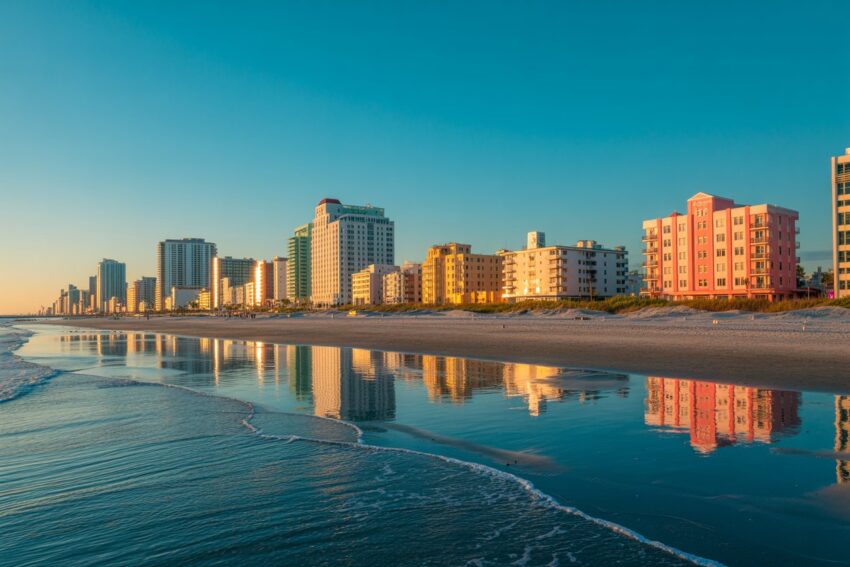
Fort Lauderdale-Hollywood International Airport (FLL) has seen a dramatic increase in passengers due to its affordability compared to Miami International Airport (MIA). The savings can reach up to 35% on fares, particularly for flights originating from the Northeast. FLL is particularly favored by budget-conscious travelers due to its lower landing fees and the concentration of low-cost carriers like Spirit Airlines. Furthermore, FLL is experiencing a surge in round-trip fares under $100 for many routes, particularly to popular tourist destinations. For many travelers, the combination of cheaper fares and a more relaxed airport experience makes FLL the go-to choice for flying into the Miami metro area, especially in 2026, as it becomes a hotspot for budget travel.
John Wayne Airport (SNA) vs. Los Angeles International Airport (LAX): Save 10–15% and Skip the Crowds

John Wayne Airport (SNA) in Orange County, California, offers a more affordable and convenient alternative to the often-overcrowded Los Angeles International Airport (LAX). While SNA does have certain limitations, such as slot restrictions, it avoids the high congestion charges and massive rideshare surcharges that can add up at LAX. Travelers benefit from cheaper parking rates, faster security lines, and easier access to nearby attractions in Orange County. Although SNA serves fewer international flights and can be limited in terms of direct routes, for travelers seeking a quick domestic getaway or avoiding the hassle of LAX, SNA presents an attractive secondary option that offers savings of up to 15%.
Why Secondary Airports are More Affordable
One of the primary reasons secondary airports are able to offer cheaper fares is their significantly lower operating costs compared to major hubs. Airports like Baltimore/Washington International (BWI) or Fort Lauderdale-Hollywood International (FLL) have lower landing fees for airlines, which translates into cheaper tickets for passengers. Additionally, smaller airports tend to be less congested, reducing turnaround times for airlines and making the entire travel process smoother. This efficiency enables airlines to offer more flights, and in turn, more options for consumers. Moreover, many budget carriers like Southwest Airlines, Spirit Airlines, and Frontier Airlines focus on these secondary airports, further driving down ticket prices.
For example, Southwest Airlines has increased flight frequencies at airports like Chicago Midway (MDW) and BWI due to its shift to assigned seating. This move targets business travelers, who once avoided these secondary airports because of concerns about seat availability. As a result, business travelers are now flocking to these airports for cheaper and more convenient travel options.
Additional Benefits of Secondary Airports
Beyond the cost savings, secondary airports are increasingly offering amenities that were once reserved for their larger counterparts. While major hubs like O’Hare or LAX have been known for their bustling terminals, luxury lounges, and a plethora of shopping and dining options, secondary airports are beginning to close this “luxury gap.” For instance, Midway (MDW) now offers a lounge with Priority Pass access, catering to travelers who don’t want to sacrifice comfort while saving money. These upgrades not only improve the travel experience but also help to elevate the appeal of smaller airports.
Furthermore, many secondary airports have a more convenient layout, which often results in quicker security lines and faster baggage claim times. This efficiency translates into shorter waiting times for passengers, making secondary airports particularly attractive for those seeking a stress-free travel experience. For travelers on tight schedules or those looking to avoid long queues, these airports offer a refreshing alternative to the chaos of larger hubs.
The Savings Breakdown: How Much Can You Really Save?
One of the most compelling reasons to consider secondary airports is the potential for significant savings. Depending on the route, travelers can save anywhere from 10% to 35% by flying into or out of a secondary airport. For instance, on flights between Miami (MIA) and Fort Lauderdale (FLL), savings can reach up to 35%, making FLL a go-to choice for budget-conscious travelers. Similarly, flying from Chicago O’Hare (ORD) to Chicago Midway (MDW) can save travelers between 15% and 20%, with the added benefit of reduced transit costs.
For travelers flying to popular destinations like Las Vegas, Boston, or Florida, secondary airports like BWI, OAK, and FLL offer a more affordable and hassle-free alternative. However, it’s important to remember that these savings often come with trade-offs, such as fewer daily flights or limited international connections. Still, for many passengers, the savings and convenience far outweigh these inconveniences.
RouteMajor Hub AirportSecondary AirportEstimated SavingsWashington, D.C. to BostonWashington Dulles (IAD)Baltimore/Washington (BWI)20–30%San Francisco to OaklandSan Francisco (SFO)Oakland (OAK)25%Chicago to Chicago (Midway)Chicago O’Hare (ORD)Chicago Midway (MDW)15–20%Miami to Fort LauderdaleMiami (MIA)Fort Lauderdale (FLL)35%Los Angeles to Orange CountyLos Angeles (LAX)Orange County (SNA)10–15%
Considerations for International Travelers
While secondary airports offer impressive savings on domestic routes, they are not always the best choice for international travelers. Major airports like O’Hare International Airport (ORD), Washington Dulles (IAD), and San Francisco International Airport (SFO) serve as hubs for international flights, particularly those heading to Europe, Asia, or other global destinations. Secondary airports, on the other hand, tend to have fewer direct international connections, which can lead to higher costs if you need to book a domestic leg to reach your final destination.
For example, travelers flying from Chicago to Europe may find that it’s more cost-effective to depart from O’Hare rather than Midway, even if the initial ticket price from Midway is cheaper. This is because flying out of a secondary airport often requires a domestic connection, which increases both the overall cost and travel time. Therefore, for international trips, it may be better to stick with major hubs that offer a wider range of flights to and from international destinations.
Last-Minute Travel and Flexibility: When Secondary Airports Fall Short
While secondary airports are ideal for those looking to save on airfare, they do have limitations. One of the major drawbacks of flying through smaller airports is the reduced frequency of flights. Airports like BWI, MDW, and FLL may only have a few flights per day to certain destinations, which can be problematic if you’re booking last-minute or if your flight is canceled. Major airports like ORD or LAX, on the other hand, offer multiple flights to popular destinations every hour, giving you more flexibility in case of cancellations or delays.
Additionally, secondary airports may have fewer customer service resources, making it more difficult to resolve issues like missed connections or flight cancellations. This can be particularly frustrating for travelers who need to be on a tight schedule or who are not familiar with the airport. For those seeking maximum flexibility and convenience, major airports may be the better choice, despite the higher costs.
When Is the Best Time to Fly Through Secondary Airports?
The best time to take advantage of secondary airports is when traveling during off-peak seasons, or when planning shorter trips to destinations with frequent, budget-friendly flights. For example, flying to Florida from the Northeast in the off-season can offer significant savings when choosing Fort Lauderdale (FLL) over Miami (MIA). Similarly, during the fall or spring, flying from Chicago Midway (MDW) instead of O’Hare (ORD) can save you money while avoiding the crowds and chaos that come with peak travel periods.
Secondary airports are also ideal for travelers who prioritize affordability and convenience over luxury. Budget-conscious travelers can save considerable amounts by choosing these airports, particularly if they book their tickets in advance and take advantage of discounts offered by budget carriers. On the other hand, if you’re booking last-minute or traveling during peak periods, it may be worth considering the added flexibility and frequency of flights offered by major airports.
How to Make the Most of Secondary Airports
To fully capitalize on the savings offered by secondary airports, travelers should keep a few tips in mind:
Book Early: While secondary airports often offer cheaper tickets, booking in advance can maximize your savings, especially for popular routes.
Consider Transit Costs: Ensure that the money you save on airfare isn’t offset by expensive rideshare fares or parking costs. For example, while BWI offers cheaper flights, a rideshare to Washington Dulles can cost upwards of $70 during peak times.
Plan for Fewer Flight Options: Secondary airports tend to have fewer daily flights, so be prepared for limited flexibility if your plans change. Always have a backup plan, especially if you’re flying on tight timelines.
Use Public Transportation: Many secondary airports, like Chicago Midway (MDW) and BWI, are well-connected to city centers by public transit, offering a much cheaper and faster alternative to taxis or rideshares.
Florida joins California, Virginia, Illinois, Maryland, and other states in the U.S. experiencing a secondary airport boom, as travelers opt for Oakland, Fort Lauderdale, John Wayne, and Chicago Midway to save over major hubs.
Conclusion
Florida joins California, Virginia, Illinois, Maryland, and other states in the U.S. experiencing a secondary airport boom, as travelers increasingly opt for airports like Oakland, Fort Lauderdale, John Wayne, and Chicago Midway over major hubs such as San Francisco, Miami International, Los Angeles, and Chicago O’Hare. This shift is driven by the desire for lower airfares, fewer crowds, and more efficient travel experiences. As these secondary airports continue to offer competitive advantages, they are reshaping the way Americans approach air travel, making them a preferred choice for savvy travelers looking to save extra while still accessing popular destinations.
