
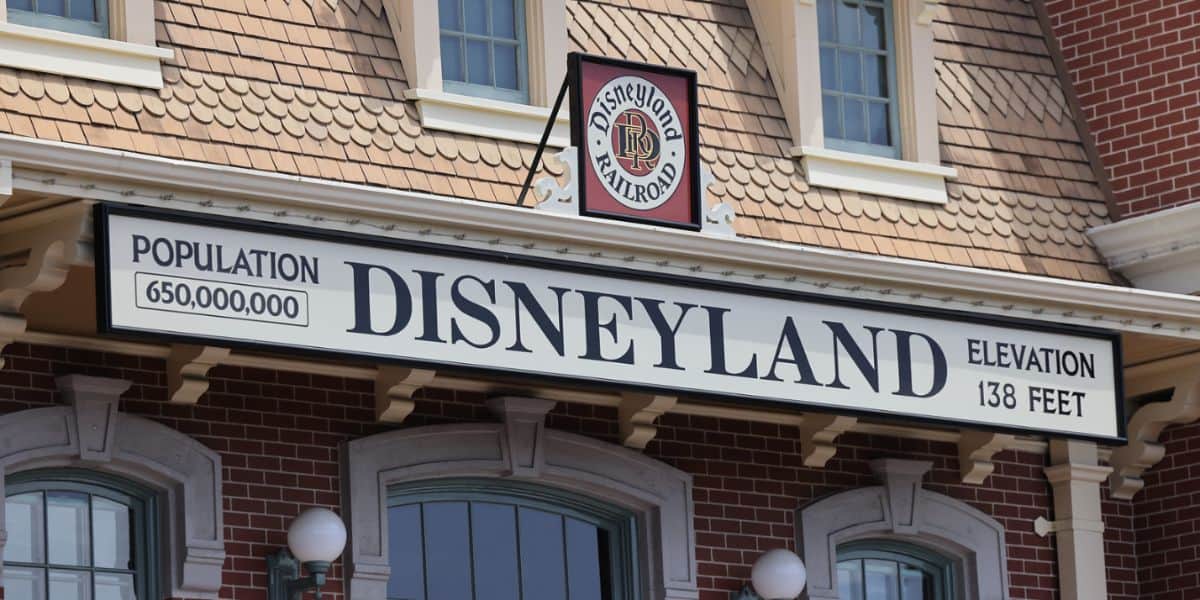
For nearly a quarter-century, since Disney’s California Adventure opened its gates in 2001, the concept of a “Third Park” at the Disneyland Resort has been the ultimate white whale for Disney fans. It was the subject of endless message board rumors, “Blue Sky” Imagineering concepts, and wishful thinking. The conventional wisdom was always the same: Disney was landlocked in Anaheim, surrounded by highways and residential areas, with nowhere left to grow.
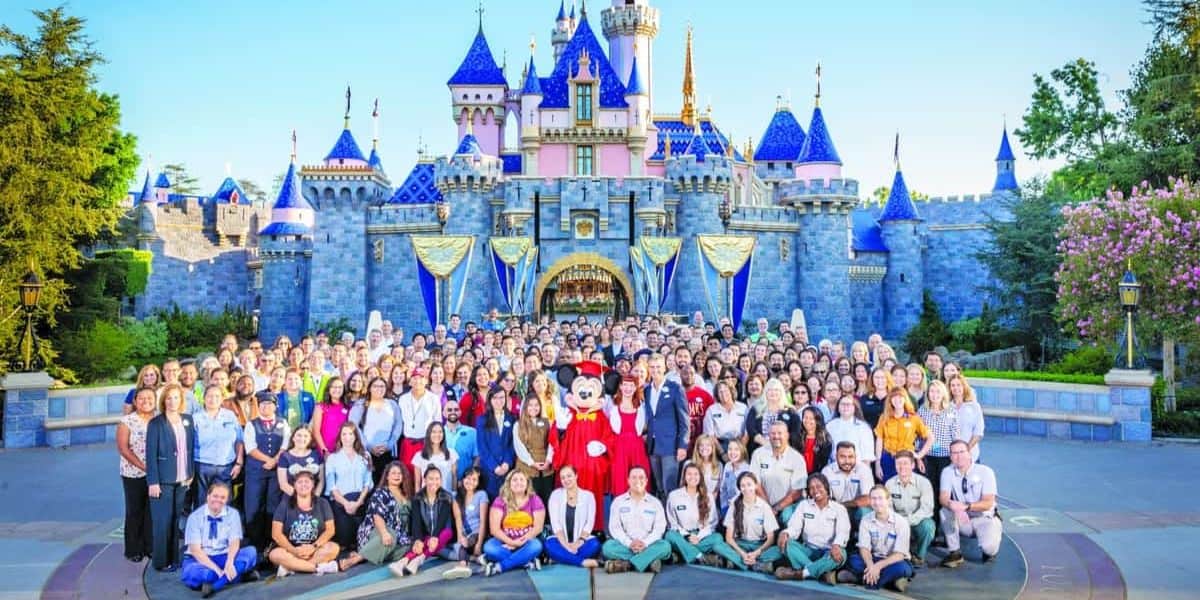 Credit: Disney
However, as we settle into January 2026, the narrative has undergone a fundamental shift. The dream of a third gate is no longer just speculation—it is a funded, legally approved reality waiting to break ground.
Thanks to the landmark approval of the Disneyland Forward initiative by the Anaheim City Council and a staggering $1.9 billion investment commitment from The Walt Disney Company, the barriers to a massive expansion have been completely dismantled. Disney is poised to embark on its most ambitious California project since Walt Disney himself bought the orange groves in the 1950s.
Here is a deep dive into the plans, the money, and the highly anticipated intellectual properties that suggest a third theme park—or something even more revolutionary—is on the way to Anaheim.
The Mechanism: How “Disneyland Forward” Unlocked the Map
To understand how a third park is possible, you must understand the bureaucracy that has held it back for decades. As detailed in reports by SFGate, the Disneyland Resort was governed by a rigid zoning plan from the 1990s. This plan strictly segregated land use: hotels were allocated one area, parking was designated another, and theme park rides were restricted to specific, designated zones.
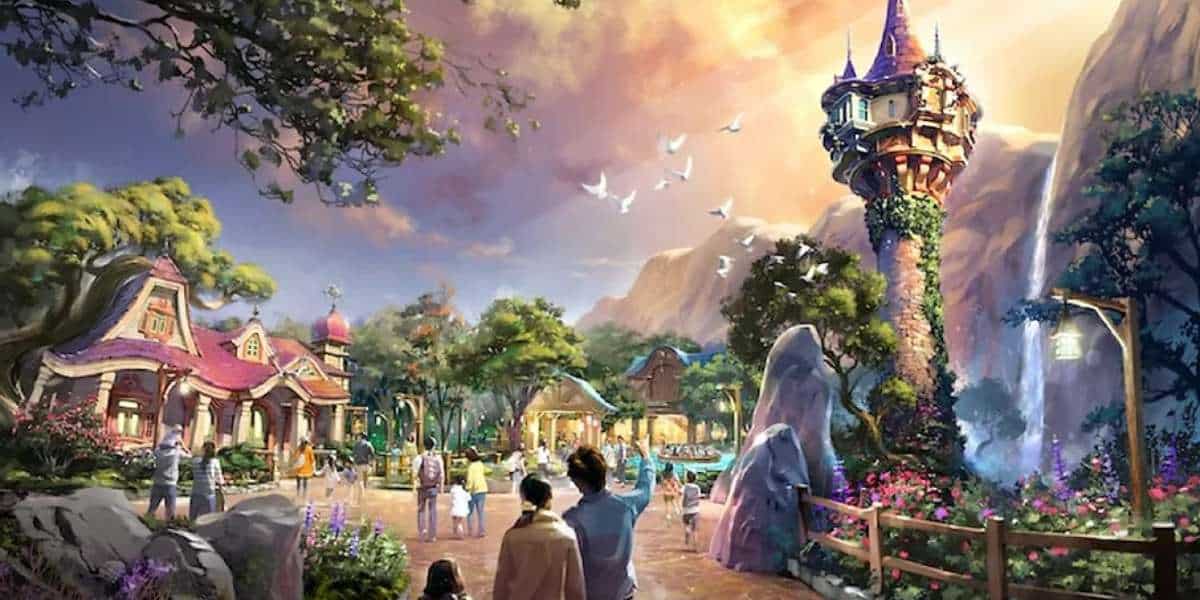 Disney
This meant that, despite owning hundreds of acres of underutilized surface parking lots, Disney was unable to build attractions on them. They were landlocked by policy, not geography.
Disneyland Forward changed everything. The approvals granted in 2024 tore up that old rulebook. The new agreement gives Disney “mixed-use” flexibility across its entire 500-acre footprint. They can now build theme park attractions alongside hotels and dining experiences on top of former parking lots.
The significance of this cannot be overstated. It essentially turned areas like the massive Toy Story Parking Lot on Harbor Boulevard and the sprawling footprints around the Disneyland Hotel and Pixar Place Hotel into blank canvases for Imagineering.
The Investment: A $1.9 Billion Down Payment on the Future
Disney isn’t just getting permission to build; they are legally obligated to do so. As part of the deal with Anaheim, reports from the Daily Mail confirm that Disney has committed to investing a minimum of $1.9 billion into the resort over the next decade for theme park, lodging, and entertainment experiences.
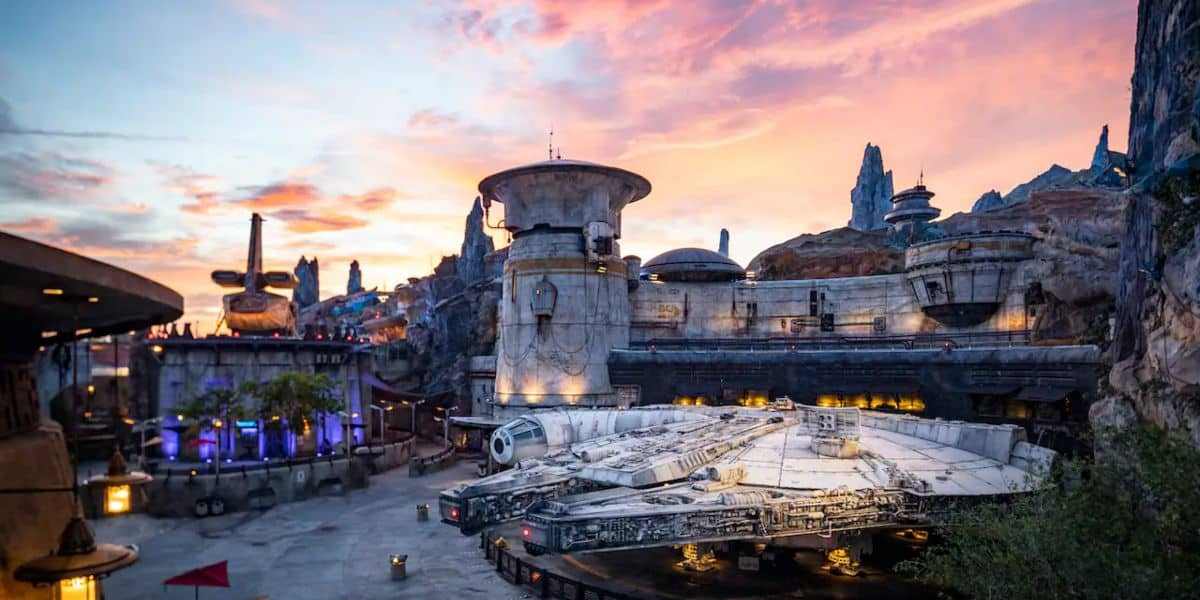 Credit: Disney
To put that number in perspective, Star Wars: Galaxy’s Edge—one of the most expensive and immersive lands ever built—cost an estimated $1 billion. A $1.9 billion minimum commitment signals far more than just a few new rides; it signals entire new lands, infrastructure, and potentially an entirely new gate.
Furthermore, this Anaheim investment is just one slice of a massive $60 billion pie that Disney has earmarked for its parks and cruise line globally over the next ten years. The company is in an aggressive growth phase, with California at the center stage.
The Blueprint: Where Will the Third Park Go?
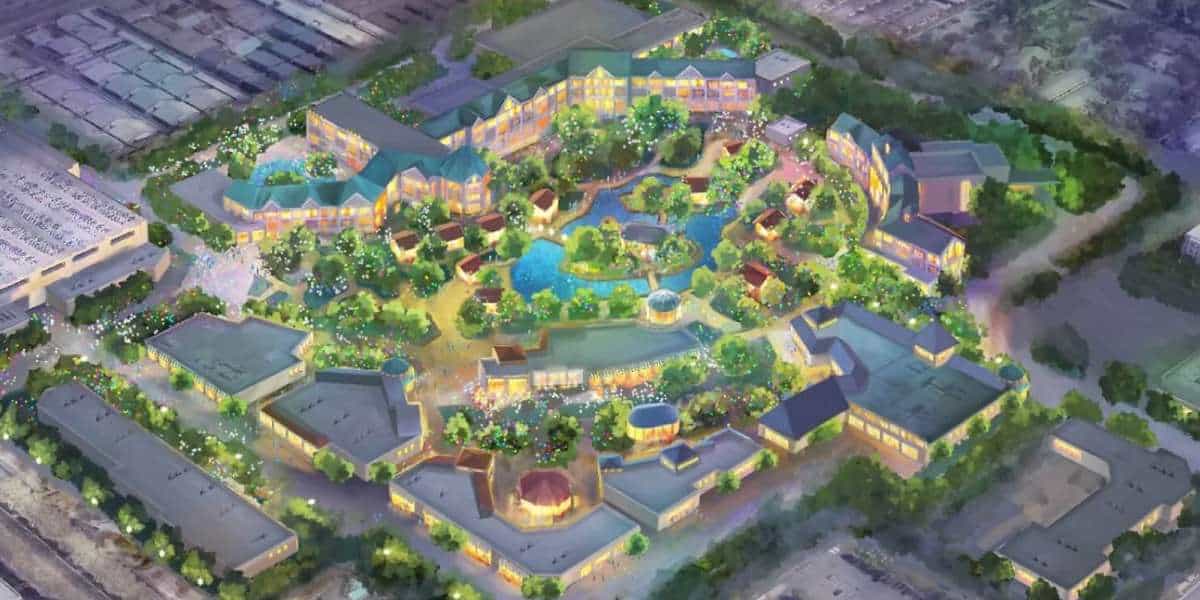
If Disney builds a traditional third gate, where does it fit? The Disneyland Forward environmental impact reports and concept maps point to two primary expansion districts that together form the footprint of a potential new park:
 Credit: Disney
1. The Westside Expansion (Hotel District)
This area encompasses the land around the Disneyland Hotel, the Pixar Place Hotel, and the existing Downtown Disney parking nearby. The new zoning allows Imagineers to integrate attractions into the resort’s fabric here seamlessly. Imagine a high-speed coaster weaving between hotel towers, or an immersive land that guests step directly into from their hotel lobby.
2. The Eastside Expansion (Toy Story Lot)
This is the juggernaut. The Toy Story Parking Lot is a vast expanse of asphalt situated just down the street from the current park entrances. It is large enough to house a substantial theme park on its own. The challenge here is connectivity, but Disney has already proposed transportation hubs and bridges to link this area seamlessly to the main esplanade.
The Speculation: What Lands Are Coming?
While Disney has not officially announced the “theme” of this expansion, CEO Bob Iger and Josh D’Amaro have dropped heavy hints over the last two years. Based on international successes and corporate priorities, three contenders lead the pack for this new development space:
 Credit: Disney
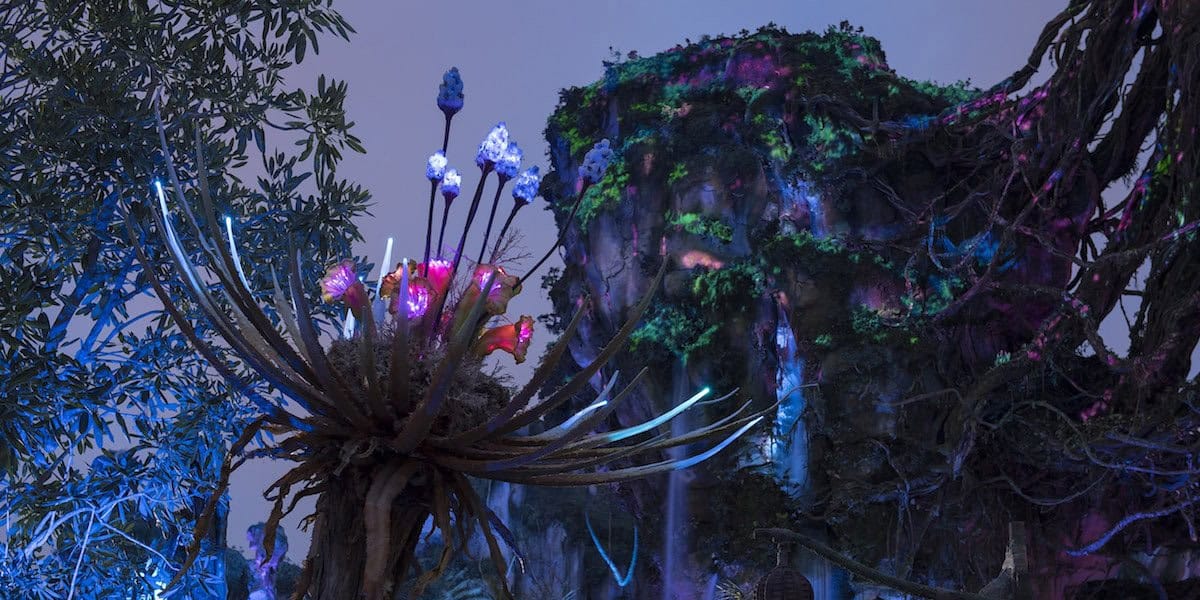
Avatar (Pandora): Bob Iger has explicitly stated that an “Avatar experience” is coming to Disneyland. Given the sheer scale required to do Pandora justice (as seen in Florida), it is the most likely anchor tenant for the Toy Story Lot expansion. A West Coast Pandora, perhaps based on The Way of Water, would be a massive draw.
World of Frozen: The Arendelle-themed lands in Hong Kong and Tokyo have been runaway successes. Bringing Anna and Elsa to California is practically a guaranteed return on investment. The new flexible zoning allows for the creation of the large “North Mountain” sightlines required for such a large piece of land.
Zootopia: Shanghai Disneyland’s Zootopia land is a technological marvel of “living city” immersion. This urban aesthetic would fit perfectly into the new mixed-use zones, blending kinetic energy with advanced ride systems.
The Verdict: A Third Gate or Something New?
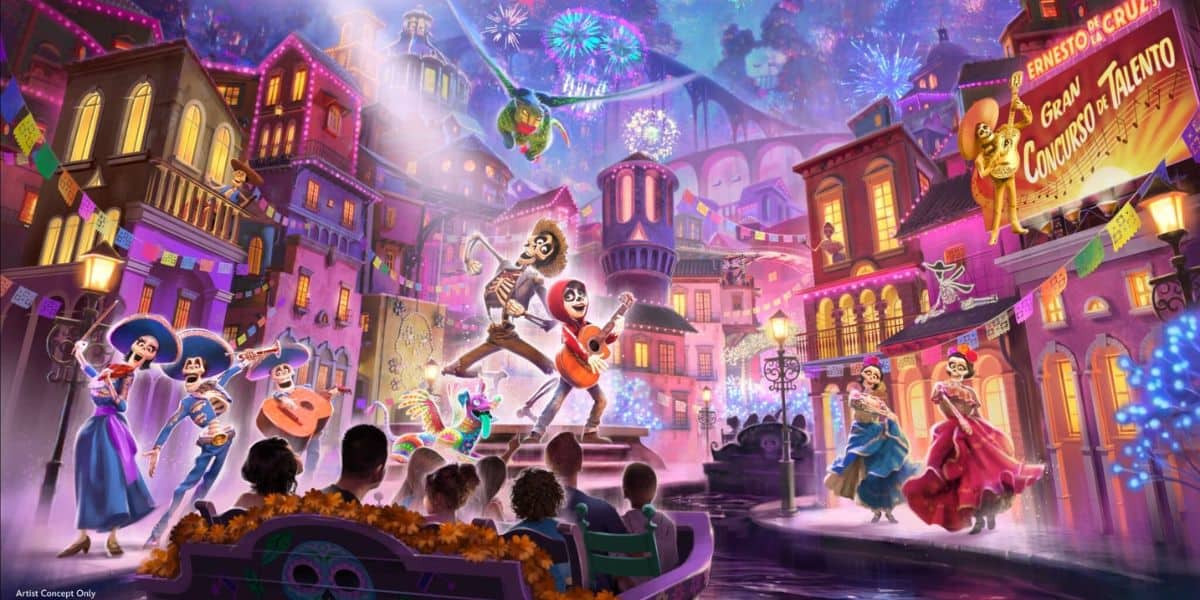
The SFGate analysis raises an intriguing possibility: Disney may not build a traditional “Third Gate” with turnstiles and a separate ticket. Instead, they might use this expansion to create a totally integrated resort experience.
 Credit: Disney
By blurring the lines between hotels, shopping, and attractions in these new expansion zones, Disney could create a sprawling, interconnected complex that feels bigger than three separate parks. It could usher in a new era of ticket types, where guests buy access to “zones” rather than “parks.”
Regardless of the final format, one thing is sure in January 2026: The era of Disneyland being “finished” is over. The concrete is about to pour in Anaheim, and the results will redefine the West Coast theme park landscape for the next fifty years.
What do you think Disney should build with its $1.9 billion? A standalone villain’s park, or a mix of Avatar and Frozen? Let us know your thoughts in the comments!

Rick is an avid Disney fan. He first went to Disney World in 1986 with his parents and has been hooked ever since. Rick is married to another Disney fan and is in the process of turning his two children into fans as well. When he is not creating new Disney adventures, he loves to watch the New York Yankees and hang out with his dog, Buster. In the fall, you will catch him cheering for his beloved NY Giants.