
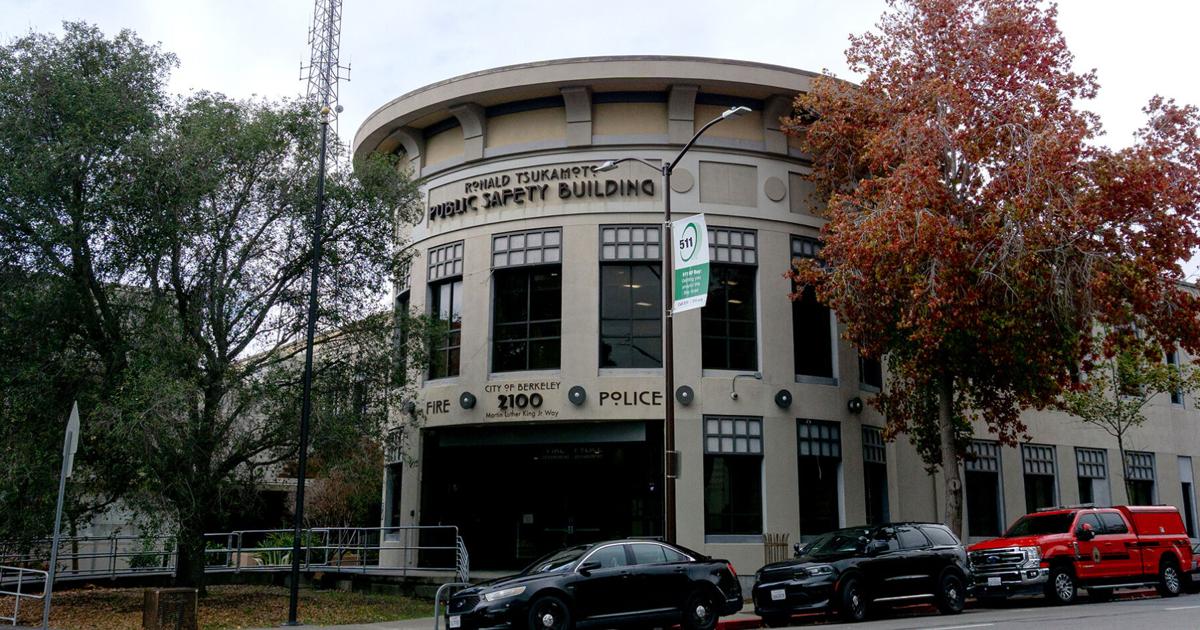
The Berkeley City Council will consider rolling back a 2020 ban on tear gas and temporary pandemic-era restrictions on smoke and pepper spray for the Berkeley Police Department’s Special Response Team.
The proposed resolution, authored by Councilmember Rashi Kesarwani, heads to the Police Accountability Board, or PAB, for discussion at a meeting today.
The ban on pepper spray and smoke was partly driven by respiratory concerns during the COVID-19 pandemic, Kesarwani wrote in her recommendation to the City Council. She noted that tear gas “remains a vital option” for resolving “high risk incidents.”
The city of Berkeley’s history with tear gas has long been marked by controversy, dating back to the 1969 People’s Park riot — known as “Bloody Thursday” — during which many different police forces fired tear gas canisters into the crowd after demonstrators began throwing rocks and bottles at officers.
Kesarwani noted recorded uses by BPD; in the early 2000s, the Special Response Team used tear gas during a warrant service involving an armed individual “who refused to surrender.”
In December 2014, BPD deployed tear gas again in response to a nationwide protest against decisions made by grand juries to not charge the police officers who contributed to the deaths of Michael Brown and Eric Garner, two Black men who were killed as a result of police brutality and racial profiling.
In May 2020, following the murder of George Floyd, BPD used tear gas on demonstrators attempting to force their way into the Oakland Police Department.
Now, Kesarwani aims to lift the ban on tear gas, arguing that health concerns regarding smoke and pepper spray are no longer an issue due to the lower risk of COVID-19.
“Tear gas offers law enforcement a crucial option for stopping violent behavior or prompting an armed, barricaded individual to leave a building,” Kesarwani said in the resolution.
Berkeley Copwatch founding member Andrea Prichett remains skeptical, emphasizing concerns over public safety and the “potential for unintended exposures to chemical agents.”
“The lack of transparency that BPD demonstrates, and the inability of the PAB to hold them accountable for their misconduct drives us to believe it is reckless for the City Council to put yet another weapon into their hand, which is also subject to abuse,” Prichett said.
PAB Chair Josh Cayetano echoed similar concerns, citing the events of “Bloody Thursday” as cause for worry over the future use of non-lethal weapons by law enforcement against the public.
“Police departments have used tear gas and other indiscriminate less-lethal munitions in a manner that infringes people’s First Amendment rights to protest,” Cayetano said in an email.
In the resolution, Kesarwani emphasized that existing BPD guidelines on the use of force and control devices ensure proper use and oversight of tear gas.
Additionally, Kesarwani argued in the item that BPD is only seeking a “limited, narrow use” of tear gas for members of the Special Response Team when responding to critical incidents that “pose a significant threat to the safety of the public or officers.”
“They’re offering subtle, nuanced restrictions for how these gases are being used,” Prichett said. “It is almost impossible for onlookers to identify which officers used it, and it’s almost impossible to hold those officers accountable for misusing it.”
The resolution is a consent item for the City Council’s first meeting of the year, Jan. 20.
Kesarwani’s office said she was unavailable to comment by press time. BPD declined to comment, citing a policy of not commenting on pending legislation.
“Councilmember Kesarwani’s proposal to reverse the ban shows how easy it is to forget the lessons of the history of the use of tear gas in Berkeley and, if the Council adopts her proposal, it will certainly open the door to future lawsuits,” Cayetano said in an email.