
The first week of a new year is often a time for reflection—on what we’ve endured, what we’ve learned, and what still lies ahead. As we enter this new year, that reflection carries particular weight for the Altadena community. Nearly one year after the Eaton Fire, the path to recovery remains deeply personal and far from complete.
We are not “past” this disaster. Recovery is still unfolding, one decision, one permit, one insurance claim at a time. While progress is visible, the impacts of the fire remain very present for families who are still displaced or struggling to begin rebuilding.
Anyone driving through the burn area today sees new home framing rising where ash and debris once settled. Those skeletal outlines, peppered throughout Altadena, are powerful signs of forward movement. But they also reveal a difficult truth: the ability to rebuild is not determined by determination alone. It is shaped by access to capital—insurance coverage, savings, credit, and financial flexibility. The starting line is not the same for everyone.
Altadena has long been home to working and middle-class families, many of whom built generational wealth through homeownership. When the Eaton Fire destroyed those homes, it disrupted decades of stability and threatened the ability of families to pass that security on to the next generation. The loss of generational wealth in this community has weighed heavily on me. I have come to view helping families rebuild not simply as a policy objective, but as a moral charge. Recovery cannot become a process that only the most financially secure are able to complete.
From the outset, I pushed Los Angeles County to move quickly. I focused on cutting red tape, waiving fees, and delivering direct support. As a result, the County has awarded more than $21 million in relief grants to households, businesses, and workers, and waived an estimated $120 million in permit fees in the Eaton Fire area. These steps have made a real difference, but they also underscore a larger national challenge.
Disaster recovery in this country too often relies on personal wealth to determine outcomes. We need stronger systems of disaster recovery support that give everyone a fair chance to rebuild, regardless of income or circumstance. Recovery should not depend on whether a family has the financial cushion to endure prolonged displacement.
As this new year begins, my commitment remains unchanged. The work is far from over. I will continue pushing to remove barriers, stay responsive to community needs, and fight for a recovery that allows all residents to come home if they choose to do so. A community’s recovery should be judged not by how quickly the most resourced can rebuild, but by whether every family is given a fair chance to come home.
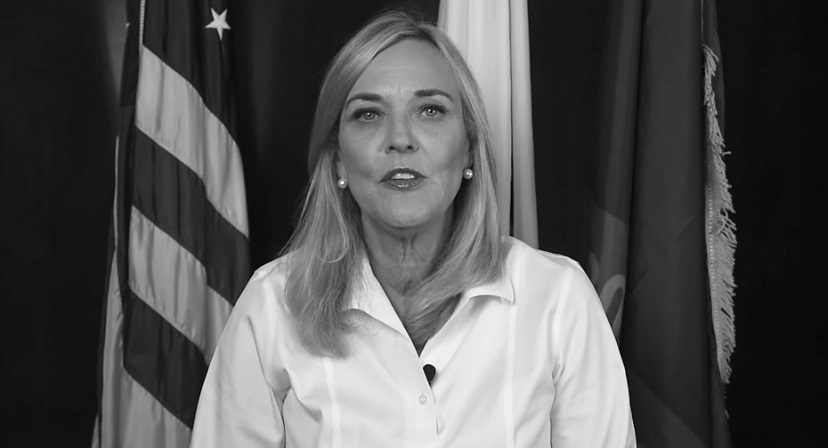
Supervisor Kathryn Barger represents the 5th Supervisorial District of Los Angeles County, which is home to nearly two million people and includes Altadena and Pasadena.
 Get our daily Pasadena newspaper in your email box. Free.
Get all the latest Pasadena news, more than 10 fresh stories daily, 7 days a week at 7 a.m.