
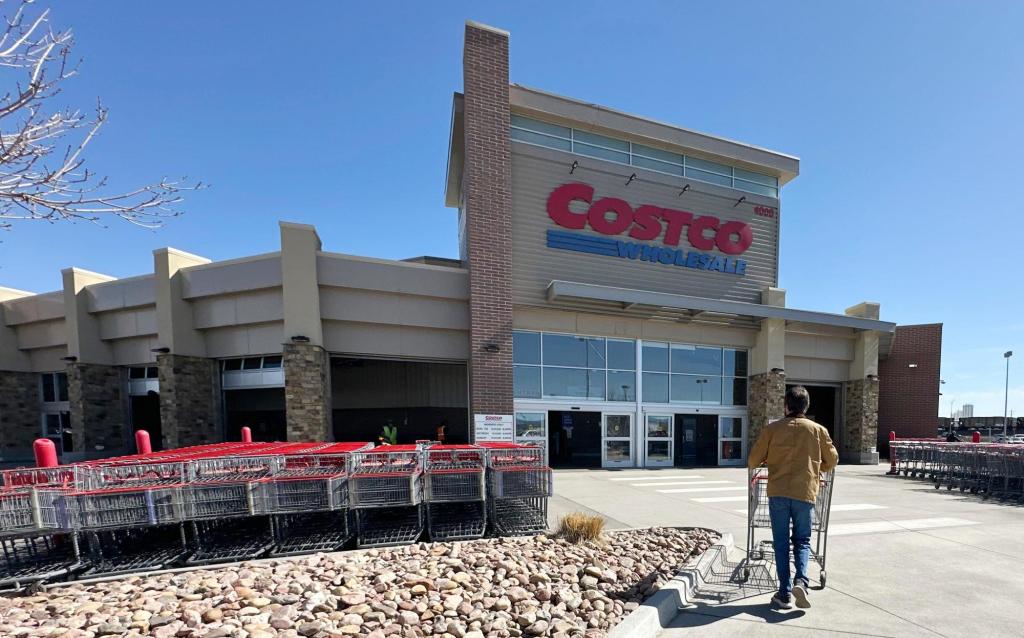
Costco, the ubiquitous Issaquah, Washington-based seller of food and consumer products, is so popular that it earned nearly $270 billion in revenues last year. That put it at No. 12 for revenues on the Fortune 500 list of companies. Obviously, the mega-retailer knows what it’s doing — and is perfectly capable of opening a new store without a government’s help.
Yet the Brea City Council voted 3-1 to “enter an agreement with a Southern California real estate developer to pursue a Costco Wholesale in exchange for a portion of the resulting sales tax revenue if the big box store is landed,” according to a Register report last month. The city should master its ability at handling its own municipal budget problems rather than pick private-sector winners and losers.
If the developer comes through in purchasing this particular 34-acre site and luring Costco, this could commit the city to a 50-year deal that reimburses the store a percentage of the sales tax. For the first two years, the city would reimburse the company 100% of the tax. It would fall to 40% — and the city wouldn’t keep all of the tax proceeds until the last 10 years of the deal.
This form of crony capitalism, by which the government intervenes to benefit specific companies, is not only wrong but financially risky. We understand any sales tax from a big-box store would boost the city’s budget. But government officials don’t have a great track record with such deals, as Brea’s own troubled redevelopment history makes clear.
Fifty years ago, the nation’s biggest retailer was Sears & Roebuck. Online ordering was a fantasy. No one has any idea what retail concepts will thrive in 2076. The developer told the council that other bidders for the property might put in a housing complex or distribution center. Well, fine, the city should let the market decide rather than mitigate the risk faced by one particular bidder.
Sorry, but Costco is one of the nation’s most successful companies and can open stores without the help of the Brea City Council.