
It’s a rare site to see the U.S. Drought Monitor Map show California without a drought, or even abnormally dry conditions. That hasn’t happened for a quarter-century.
A growing snowpack and above-average rainfall is credited for lifting the state out of the dreaded drought status. The last time the drought map showed no drought was December, 2000.
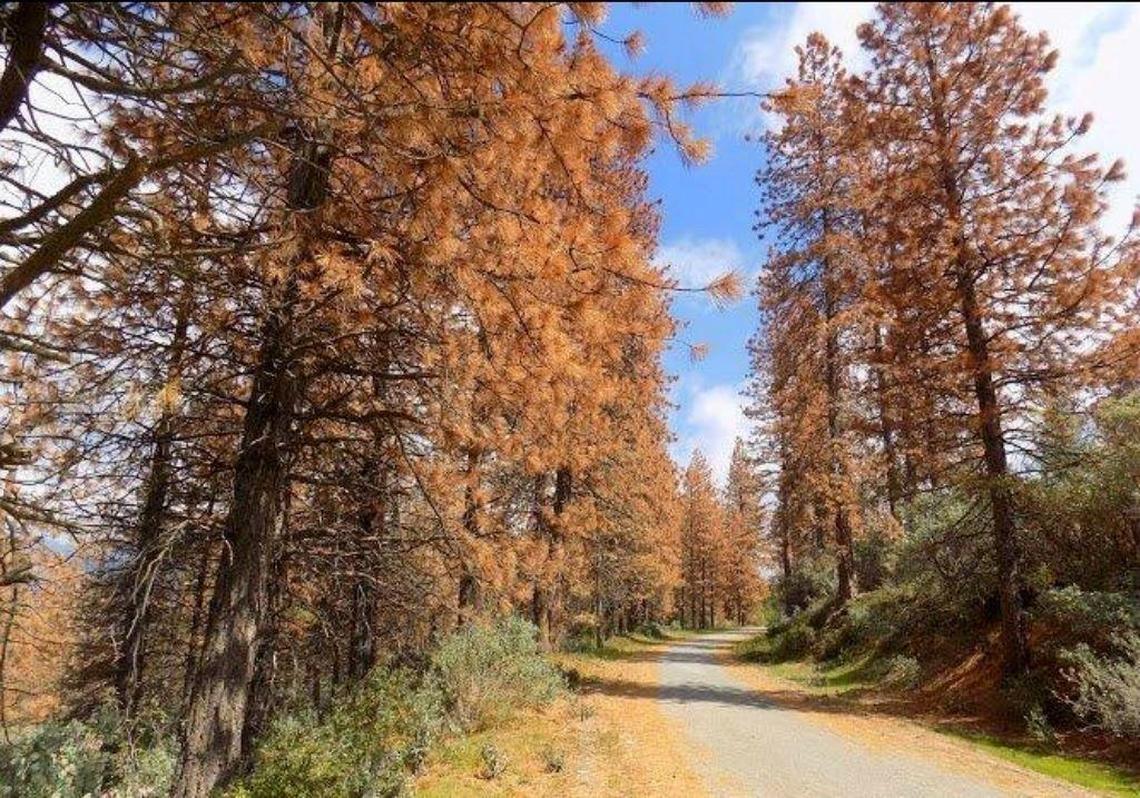
Perhaps no other state in the nation has been more impacted by drought than California. Dry conditions have resulted in devastating wildfires and caused billions of dollars in losses to San Joaquin Valley farmers and their surrounding communities.
“To know it’s been 25 years since no part of the state shows any symptoms of a drought is pretty remarkable,” said Ryan Jacobsen, chief executive officer of the Fresno County Farm Bureau.
And while that may be a relief, Jacobsen also sees the bigger picture.
“By no means is this a reflection of things to come,” said Jacobsen, an almond and wine grape grower. “The drought monitor is really looking at just localized conditions, you know, then and there.”
State Climatologist Michael Anderson said the state doesn’t use the U.S. Drought Monitor as an “indicator, and it’s not an official drought-free declaration.”
Anderson called it a “snapshot” in time of current conditions.
“As we’ve seen in past years, California can go quickly from wet to dry conditions, and we are expecting dry conditions to return through the rest of January. This will have an impact on statewide rain and snowfall averages, which are expected to decrease,” Anderson said.
Brian A. Fuchs, geoscientist/climatologist with the National Drought Mitigation Center at the University of Nebraska, explained that the map is a weekly assessment of drought conditions for the entire country.
Scientists working with several agencies, including the University of Nebraska, the U.S. Department of Agriculture and the National Oceanic and Atmospheric Administration, review drought conditions and assign a severity to it.
As a farmer, Jacobsen said he is more concerned about the state’s snowpack, as it is crucial to the state’s water supply.
Currently, California’s statewide snowpack is 89% of normal for this date, according to the California Department of Water Resources.
“We are in okay shape right now, “ Jacobsen said. “But we are only about halfway through the snowpack season, and we still need a lot more significant precipitation to put us in a position to be okay for this upcoming year.”